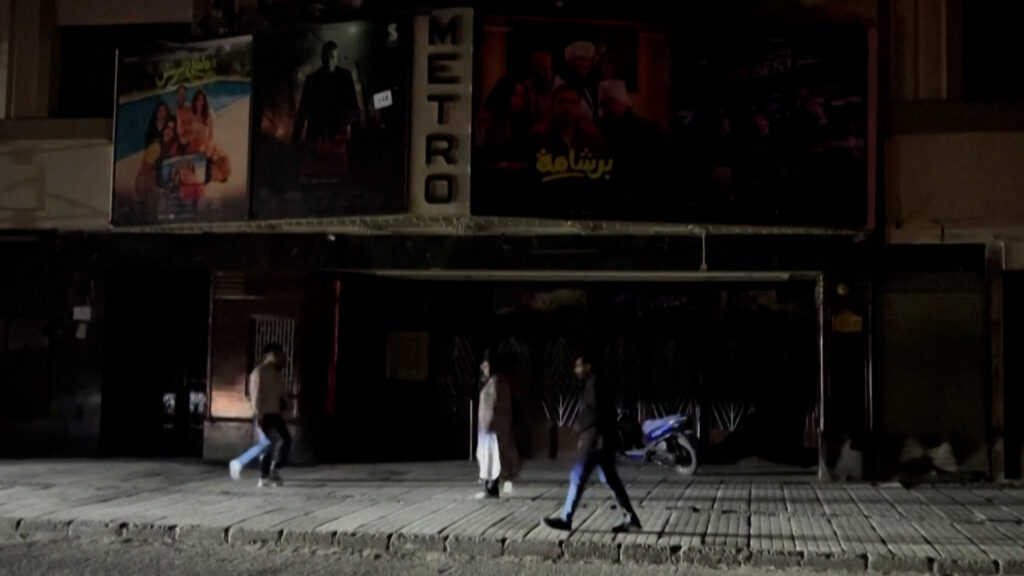
Cairo, Egypt’s bustling capital, is experiencing increasingly darker nights as the city implements stringent measures to cope with soaring global energy prices. The surge in energy costs has forced local authorities to enforce widespread blackouts and reduce nighttime lighting across streets and storefronts.
The decision comes as Egypt grapples with the economic pressures of rising electricity prices in the global market. These higher costs have strained the nation’s energy budget, prompting officials to take steps to reduce consumption and ensure sustainability.
Residents and business owners across Cairo have noticed the change, with many streets and commercial areas dimmed significantly after sunset. Storefronts that once brightly illuminated the city’s vibrant nightlife now operate with minimal lighting, affecting late-night commerce and social activities.
This energy-saving strategy is part of a broader initiative by the Egyptian government aimed at reducing overall electricity demand. Officials have highlighted the critical importance of these measures in preserving energy resources and stabilizing the national grid during this challenging period.
The impact on daily life is palpable. Nighttime visibility has decreased, influencing pedestrian safety and altering the urban atmosphere. Businesses dependent on evening customers have reported declines in activity, underscoring the economic toll of the energy crisis.
Experts emphasize that while these austerity measures are necessary for now, longer-term solutions are essential to address energy sustainability in Egypt. Investments in renewable energy projects, energy-efficient technologies, and grid modernization are seen as vital for reducing dependency on volatile global energy markets.
In the meantime, Cairo’s residents are adjusting to the darker nights, showcasing resilience amid an energy landscape marked by uncertainty. Community efforts to conserve electricity and adopt alternative practices are emerging as key components of coping with the ongoing situation.
As global energy prices continue to soar, Cairo’s experience serves as a reminder of the interconnectedness of international markets and local realities. The city’s response highlights both the challenges and opportunities in transitioning to more sustainable and affordable energy systems.
Overall, the current energy crisis in Cairo underscores the urgent need for comprehensive energy reforms and international cooperation to alleviate the burden on cities worldwide facing similar dilemmas. Cairo’s darker nights symbolize a critical juncture in balancing economic stability, environmental responsibility, and social well-being in a rapidly changing world.