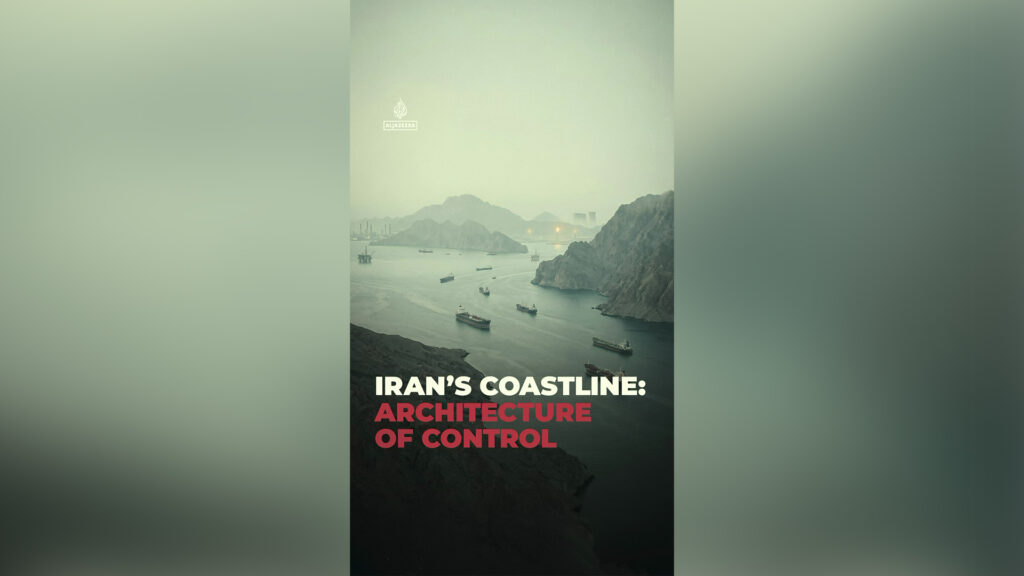
Iran’s coastline stretches along the Persian Gulf and the Caspian Sea, playing a critical role in the country’s geopolitical strategy and national security. This extensive coastline not only shapes Iran’s economic activities but also its military and strategic doctrines, creating a complex architecture of control aimed at protecting its sovereignty and asserting influence in the region.
The Persian Gulf coastline is especially significant, extending approximately 1,057 kilometers. This area is home to several strategic islands and ports which are vital for Iran’s control over maritime traffic, oil transportation, and military operations. Among these, Greater Tunb, Lesser Tunb, and Abu Musa islands stand out as controversial yet central points of Iranian defense strategy. The islands serve as military outposts equipped with surveillance systems and control points, enabling Iran to monitor and regulate naval passageways critical to global trade.
In addition to military installations, the coastal cities such as Bandar Abbas act as logistical hubs supporting naval operations and economic activities. The city is a gateway to the Strait of Hormuz—one of the world’s busiest chokepoints for oil transport, through which about 20% of the world’s petroleum passes. Iran’s presence here is a key element of its architecture of control, allowing it to project power and influence regional maritime security.
Further north, along the Caspian Sea, Iran maintains a more subdued but equally important strategic posture. This coastline, although shorter, features ports like Anzali and Noshahr that facilitate trade with Russia and Central Asian countries. Iran has fortified its northern coastal defenses and developed infrastructure to support not only economic exchanges but also naval readiness in this less volatile but strategically relevant region.
Overall, the architecture of control along Iran’s coastline is a blend of military fortifications, technological surveillance, and economic infrastructure. It reflects Tehran’s approach to safeguarding its interests against external threats, deterring military incursions, and securing vital trade routes. The strategic islands are particularly symbolic of Iran’s determination to maintain a robust maritime domain and assert its sovereignty in contested waters.
Moreover, Iran’s coastal management strategy includes environmental and resource considerations. The fragile marine ecosystems of the Persian Gulf and the Caspian Sea require sustainable practices amid heavy militarization and industrial activities. Balancing these competing demands is part of the ongoing challenge for Iranian authorities.
In conclusion, Iran’s coastline is not merely a geographical feature but a carefully curated architecture of control that integrates military strength, economic significance, and political assertion. Its strategic islands and key ports underscore the country’s resilience and ambition to influence regional dynamics and protect its maritime frontiers in a complex and often contentious international environment.