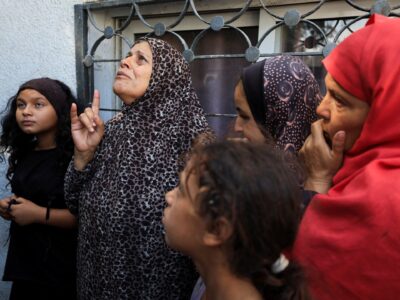
This Easter, Christians in the Holy Land, particularly in Jerusalem, faced heightened difficulties due to increased restrictions on access to key Christian holy sites. The Holy Land, a region sacred to several religions, including Christianity, Judaism, and Islam, has long been a focal point of spiritual devotion as well as political tension.
Jerusalem, home to some of Christianity’s most sacred locations—such as the Church of the Holy Sepulchre, believed to be the site of Jesus’ crucifixion and resurrection—usually attracts thousands of Christian pilgrims annually during Easter. However, this year, there have been significant access limitations imposed by local authorities, reducing the number of worshippers allowed to visit and participate in traditional ceremonies.
These restrictions have elicited concern and disappointment among Christian communities worldwide. Many believers view Easter as the most important event in the Christian calendar, commemorating the resurrection of Jesus Christ. The limited access not only hampers religious observance but also symbolizes the broader challenges faced by Christians living in or traveling to the Holy Land.
The reasons behind these restrictions stem from a mix of security considerations and ongoing political tensions in the region. Authorities have cited the need to maintain public order and prevent potential conflicts during a highly sensitive time. However, critics argue that such measures disproportionately affect Christian worshippers and reflect underlying struggles over control and influence in Jerusalem.
Beyond the physical barriers, Christians in the Holy Land face social and political marginalization. Their communities have dwindled over decades due to emigration driven by economic hardship, political instability, and occasional violence. The Easter restrictions are a stark reminder of the precarious situation for Christians who nonetheless continue their religious traditions with resilience.
Various international religious and diplomatic entities have called for easing restrictions to allow full access to holy sites during crucial religious holidays. They emphasize the importance of preserving religious freedom and maintaining the Holy Land as a place of worship for all faiths.
In conclusion, the restricted access to Christian holy sites in Jerusalem during Easter highlights ongoing tensions and challenges faced by Christians in the Holy Land. It underscores the delicate balance between security measures and religious freedoms in a region deeply significant to millions around the world. The hope remains that future celebrations of Easter and other sacred events will see unhindered access, promoting peace and mutual respect among diverse communities in this historic land.