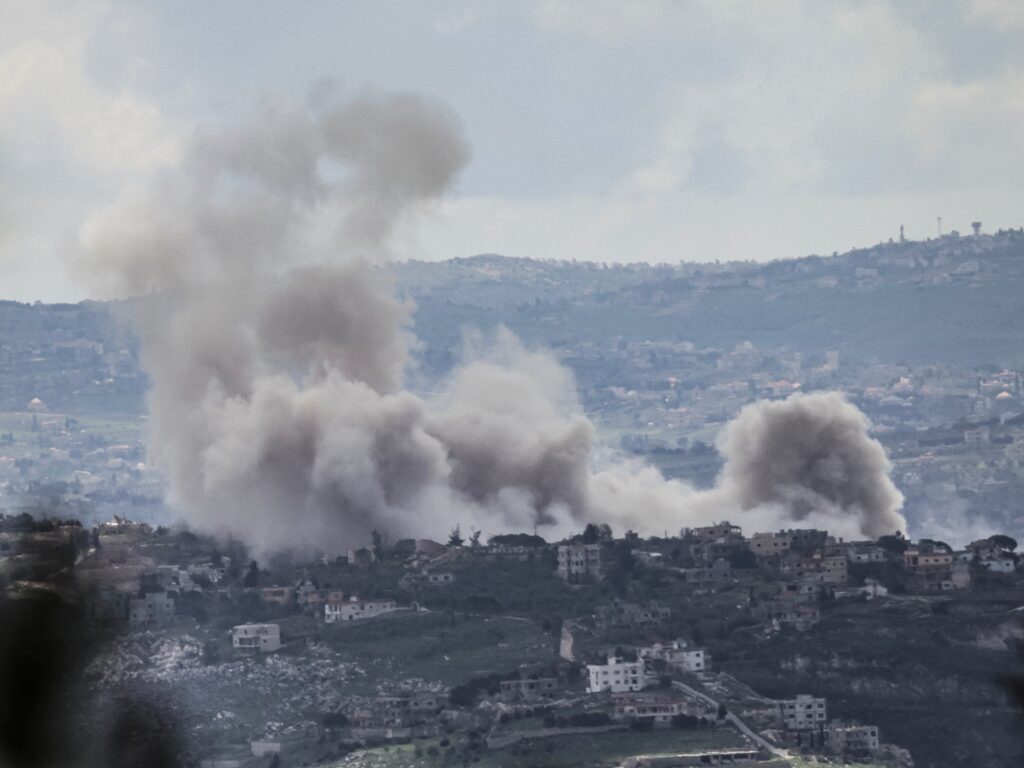
The ongoing conflict in southern Lebanon escalated further as Israel threatened to destroy additional bridges in Lebanon, intensifying the crisis and fear among the Lebanese population. This announcement came amidst Israel’s expanding military invasion of southern Lebanon, a move that has caused widespread displacement and a surge in deadly attacks across the region.
The Israeli Defense Forces (IDF) declared that more infrastructure targets, including critical bridges, would be targeted in an effort to curb militant movements and disrupt logistical support. This strategy has drawn intense concern from international communities and humanitarian organizations, warning that such actions could exacerbate the already dire humanitarian situation in Lebanon.
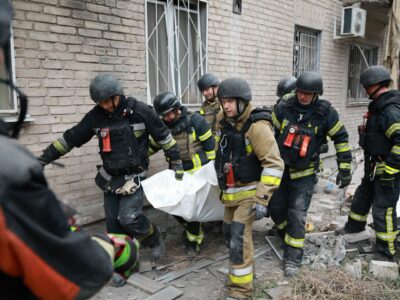
Residents in southern Lebanon have been caught in the crossfire as they face not only the threat of injury and death but also the loss of essential infrastructure that supports their daily lives. The destruction of bridges impedes access to medical facilities, food supplies, and safe evacuation routes, heightening the vulnerability of the civilian population.
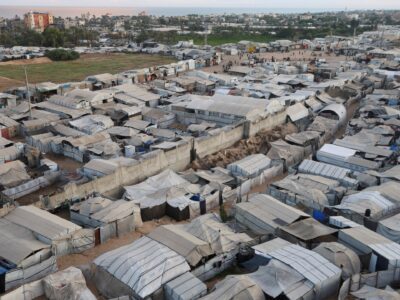
Reports have indicated a rise in displacement, with families fleeing their homes to escape the expanding Israeli attacks. The destruction has placed additional strain on Lebanon’s already fragile infrastructure and economy, which has been struggling with political instability and economic crisis for years.
In response, Lebanese authorities and international bodies have called for an immediate cessation of hostilities and urged both sides to prioritize the protection of civilians and infrastructure. The United Nations has also expressed grave concern over the increasing violence and its humanitarian repercussions.
Despite these calls, the conflict shows no signs of abating, with both sides maintaining their military engagements. The Israeli government’s stance remains firm on dismantling what it describes as terrorist threats emanating from southern Lebanon, while Lebanese groups vow to resist what they regard as aggression against their sovereignty.
As tensions mount, the possibility of a broader regional conflict looms, raising fears among neighboring countries and global powers about the potential for further instability in the Middle East. Diplomatic efforts continue behind the scenes, aiming to broker a ceasefire and prevent the crisis from escalating further.
The situation remains volatile, with the international community closely monitoring developments and preparing to respond to the growing humanitarian needs arising from the conflict. The destruction of infrastructure such as bridges not only hampers immediate relief efforts but also jeopardizes Lebanon’s prospects for recovery and peace in the long term.
In conclusion, the threat and subsequent attacks on Lebanese infrastructure by Israel mark a troubling escalation in the southern Lebanon crisis. The international community faces a critical juncture in addressing both the immediate violence and the broader implications for regional stability and humanitarian welfare.