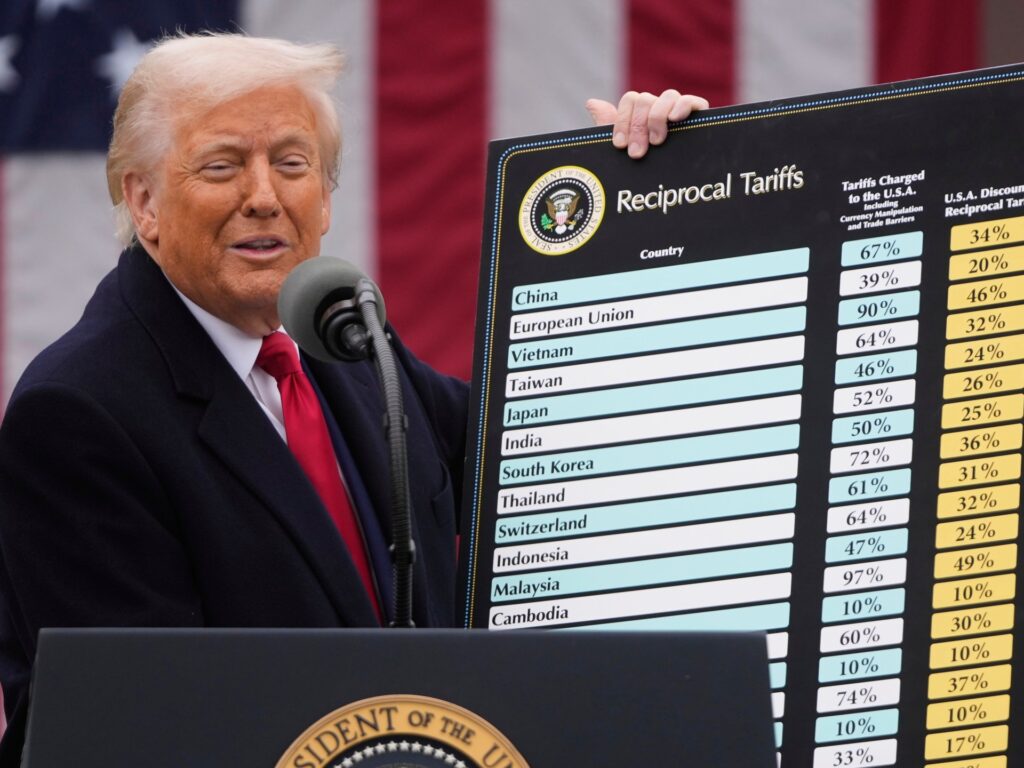
One year after the implementation of tariffs under the Trump administration, American households are facing significant financial consequences. The tariffs, designed to protect domestic industries by taxing imported goods, have resulted in US consumers paying approximately $1,000 more annually for the same products. This price increase stems from higher costs imposed on goods ranging from steel and aluminum to consumer electronics and clothing.
The impact of these tariffs is not evenly spread across the population. Lower-income families have borne the brunt of the cost increases, as they spend a larger proportion of their income on goods affected by tariffs. While the intent behind the tariffs was to bolster American manufacturing and safeguard jobs, many experts argue that the policies have backfired, leading to higher prices and reduced purchasing power for ordinary Americans.
The tariffs have also disrupted global supply chains. Many US companies that rely on imported components have experienced a rise in production costs, which have been passed on to consumers. In some sectors, businesses have shifted to alternative suppliers outside tariffed countries, causing delays and inefficiencies.
Economists have noted that the tariffs have contributed to an overall slowdown in economic growth. Trade tensions sparked retaliatory tariffs from other countries, affecting U.S. exports and leading to job losses in export-dependent industries.
Consumer confidence has been affected as well. With rising prices on everyday goods and uncertainty about future trade policies, households are tightening their budgets, which further curtails economic activity.
While some American manufacturers have seen modest benefits from reduced foreign competition, these gains have been limited and overshadowed by widespread consumer and business cost increases.
In summary, one year after their introduction, Trump’s tariffs have resulted in a substantial increase in costs for American households, especially hurting lower-income families. The policy’s intended protections for American industry have been offset by negative impacts on consumers, businesses, and the broader economy, raising important questions about the effectiveness of tariffs as a trade policy tool.