Argentina has taken the significant diplomatic step of expelling an Iranian diplomat in response to a mounting rift between Buenos Aires and Tehran. The expulsion follows Argentina’s decision to designate the Iranian Islamic Revolutionary Guard Corps (IRGC) as a terrorist organization, a move that has greatly upset Iranian authorities.
The Argentine government accused Tehran of making offensive accusations against Argentina after the blacklisting, marking a clear escalation in diplomatic tensions between the two nations. This controversial labeling of the IRGC underscores Argentina’s alignment with global efforts to combat terrorism and reflects the country’s stance on Iran’s influence in regional and international security matters.
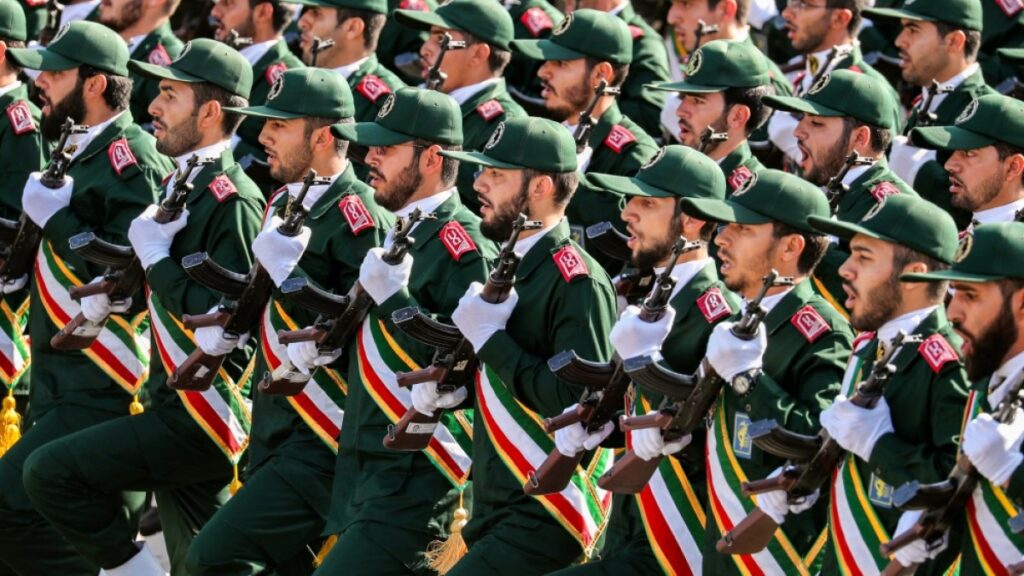
The situation began to deteriorate when Argentina formally identified the IRGC as a terrorist group, a move aligned with similar designations by the United States and other Western allies. This classification has been a particularly sensitive point for Iran, given the IRGC’s prominent role in Iran’s military and political spheres.
Following Argentina’s move, Tehran responded with sharp rhetoric blaming Buenos Aires for straining bilateral relations. Argentine officials described these responses as “offensive” and an attempt to intimidate Argentina into reversing its decision.
The expulsion of the Iranian diplomat is seen as a strong political signal from Argentina, indicating its unwillingness to tolerate perceived hostilities or diplomatic bullying. This act of expelling a diplomat also serves as a warning to Iran about the potential consequences of further diplomatic provocations.
Politically, this development complicates diplomatic relations not only between Argentina and Iran but also affects broader geopolitics. Argentina’s decision has drawn criticism and support alike from various international actors, revealing the complex dynamics of global alignments on terrorism and diplomacy.
In Argentina, the government has defended its actions as necessary for national security and international solidarity against terrorist threats. It has emphasized that its stance does not target all Iranians but specifically the IRGC due to its involvement in activities deemed terroristic.
The Iranian government, meanwhile, continues to condemn Argentina’s decision, calling it politically motivated and an extension of what it calls Western interference in sovereign affairs. Tehran has hinted at possible reciprocal actions, which could escalate the diplomatic fallout further.
Observers note that this incident reflects the wider challenges faced by countries attempting to balance diplomatic engagement with firm stances against entities they consider threats to peace and security. The expulsion is likely to affect bilateral cooperation on various fronts, including economic, cultural, and security domains.
Looking ahead, both Argentina and Iran face a challenging path to repairing their diplomatic ties. Mediation efforts by neutral parties or international organizations might be necessary to de-escalate tensions and foster dialogue.
The current situation serves as a reminder of the delicate nature of international relations where decisions tied to security and ideology can quickly lead to diplomatic crises. Argentina’s expulsion of the Iranian diplomat exemplifies how national security concerns and geopolitical strategies intersect on the diplomatic stage, affecting bilateral and global politics alike.