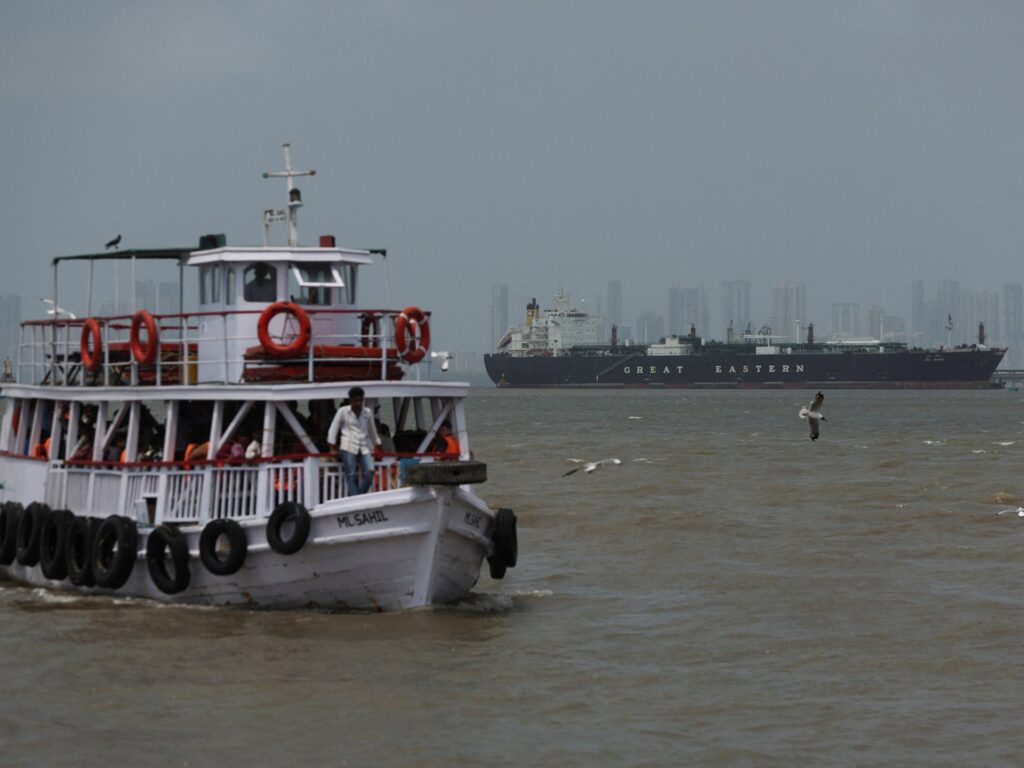
The UK-led coalition, comprising 40 nations, has vowed to take decisive action in response to Iran’s blockade of the Hormuz Strait. This strategic waterway is crucial for global trade and energy supplies, and the closure has raised significant international concerns. UK Foreign Secretary Yvette Cooper openly accused Iran of attempting to “hold the global economy hostage” by obstructing navigation through the strait. The UK and its partners are coordinating efforts to ensure freedom of navigation and secure the vital trade route. The Hormuz Strait is one of the world’s most important chokepoints for oil transit, and any disruption affects not only the region but also the global markets. The coalition’s commitment represents a strong stance against unilateral actions that threaten international stability and economic security. Efforts include diplomatic engagement, increased surveillance, and potential naval deployment to safeguard shipping lanes. The situation escalated after Iran imposed restrictions, prompting fears of a blockade that could seriously disrupt fuel supplies to Europe, Asia, and beyond. The international community has expressed alarm, emphasizing that freedom of navigation must be preserved. Britain’s leadership role underscores its commitment to global maritime security and the protection of international trade routes. The coalition stresses that Iran’s actions undermine international law and maritime conventions that guarantee free passage in such international waterways. Economic analysts warn that prolonged closure could lead to soaring energy prices and widespread market instability. The UK and allies are pressing for a peaceful resolution but are prepared to respond firmly if intervention becomes necessary. The issue further complicates already tense geopolitical relations in the Middle East and highlights the fragile balance of regional power. Allies have also condemned any threats against commercial shipping, reaffirming the need to keep these vital supply lines open. This united front sends a clear message that attempts to leverage control of the Hormuz Strait for political or economic gain will not be tolerated. Coordination among coalition members includes sharing intelligence and deploying naval assets to deter any blockading attempts. The UK’s call to action resonates with many nations reliant on the smooth flow of energy resources through the strait. Iran, however, maintains that their actions are justified, pointing to regional security concerns and political conflicts. The international response continues to evolve, with ongoing discussions at the United Nations regarding measures to address the crisis. Protecting the Hormuz Strait remains a top priority for the coalition, reflecting the broader imperative to maintain global economic stability and security.
In summary, the UK-led coalition of 40 countries stands united against Iran’s blockade of the Hormuz Strait, condemning it as an attempt to hostage the global economy. The coalition pledges coordinated diplomatic and security measures to restore and secure free navigation through this critical maritime corridor.