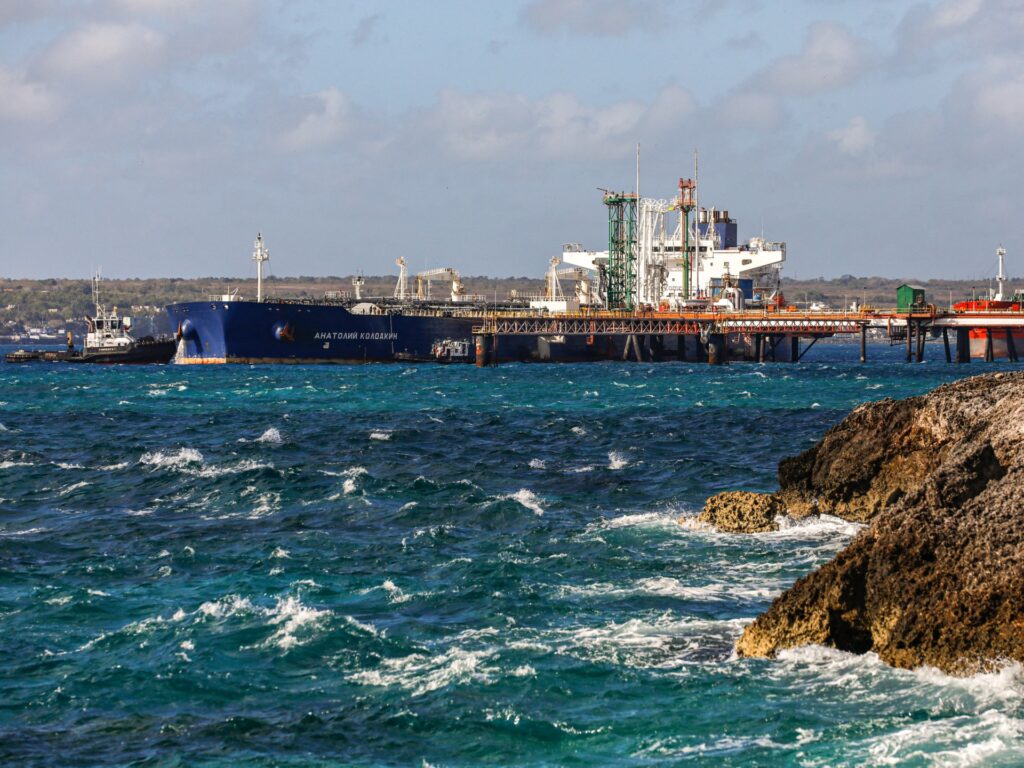
In a significant development in international relations, Russia has reaffirmed its commitment to aiding Cuba after the successful arrival of its first oil shipment to the island nation. This move comes at a critical time when Cuba is grappling with energy shortages largely attributed to ongoing economic pressures and sanctions.
Maria Zakharova, spokeswoman for the Russian Foreign Ministry, publicly underscored Russia’s dedication to supporting Cuba’s energy needs. She emphasized that this initial shipment marks the beginning of a sustained partnership aimed at helping Cuba overcome its energy challenges.
Zakharova also issued a pointed call to the United States, urging the lifting of its energy blockade on Cuba. She highlighted that the US embargo has severely constrained Cuba’s access to vital resources and stymied its economic potential. According to her, easing these restrictions would contribute significantly to stabilizing the Cuban economy and improving the quality of life for its citizens.
The arrival of the Russian oil shipment is seen as a strategic geopolitical maneuver amidst heightened tensions in the region. It not only strengthens Cuba’s energy security but also signals Moscow’s interest in enhancing political and economic ties with Havana. This extends Russia’s influence in the Western Hemisphere at a time when US-Cuba relations remain complicated.
Energy security remains a paramount issue for Cuba, whose economy has been strained by decades of sanctions and limited access to international markets. The country’s infrastructure has been further challenged by fuel shortages, affecting everything from transportation to electricity generation.
Russia’s assistance is expected to provide some relief, ensuring that vital sectors can continue operating while the Cuban government works towards long-term solutions. Analysts view this cooperation as a pragmatic step reflecting shared interests between the two nations, rooted in mutual support against external pressures.
The international community has watched these developments closely, noting that Russia’s involvement in Cuba could shift the balance of geopolitical alliances. It also raises questions about future US policy towards both nations and the broader implications for global diplomacy.
This renewed partnership highlights the ongoing complexities of international politics, where energy access, economic sanctions, and diplomatic alliances intersect. Russia’s role underscores how strategic aid in critical sectors can transform bilateral relationships and influence regional dynamics.
In conclusion, Russia’s continued support for Cuba following the first oil shipment arrival is a landmark event that reflects broader geopolitical strategies and humanitarian concerns. The call by Maria Zakharova for the US to lift its energy blockade further accentuates the diplomatic tensions surrounding Cuba’s quest for energy independence and economic stability. Observers will be keen to monitor how these developments unfold and impact the regional geopolitical landscape moving forward.