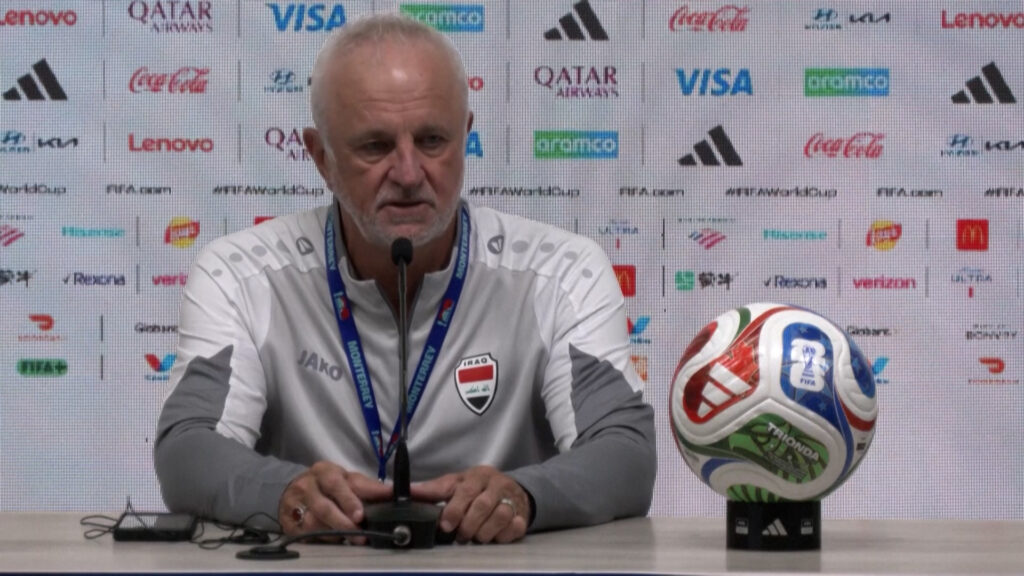
The Iraqi national football team, under the guidance of their coach, is not just competing for victory but also aiming to reshape the global image of Iraq through their performance at the World Cup. The coach emphasized that this international event provides a unique opportunity to change the long-standing perceptions about the country.
Iraq, a nation that has endured significant hardships over the past four decades, including wars and separatist movements, faces challenges far beyond the football pitch. These struggles have often overshadowed the country’s rich culture and the resilience of its people. However, the coach believes that the World Cup can serve as a platform to showcase a different narrative.
The turmoil in Iraq stems from a series of conflicts that have deeply affected its social and political fabric. From the Iran-Iraq War in the 1980s and the Gulf War in the early 1990s to the more recent conflicts involving international coalitions and internal sectarian violence, Iraq has been a focal point of global concern. Additionally, movements seeking autonomy and independence within the country have further complicated its internal dynamics.
Despite these challenges, Iraq’s football team represents the spirit and unity of its people. The coach stresses that by participating in such a prestigious tournament, the team can inspire pride among Iraqis and present a story of hope and resilience to the world.
Sports, particularly football, have a profound impact on national identity and international perception. For many countries, success in the World Cup transcends the realm of sports and becomes a source of national pride and a means to foster unity. For Iraq, this is especially significant as it seeks to heal its divisions and move towards a more positive future.
The coach’s statement reflects a broader ambition that goes beyond the immediate goal of winning matches. It highlights the potential of sports diplomacy—using football as a tool to build bridges, foster understanding, and promote peace. This approach aligns with the aspirations of many Iraqis who desire stability and recognition on the global stage.
Moreover, the global audience of the World Cup offers a chance to introduce Iraq’s cultural richness and enduring spirit to millions of people worldwide. Each game played is not only a battle for points but also a statement against the stereotypes and media narratives that have long defined Iraq.
As the tournament progresses, the world will watch not just the matches but also the story of a nation striving to redefine itself. The coach’s hopes for changing perceptions reflect a shared dream among the players and fans alike—that through football, Iraq can find a new chapter of pride, unity, and international respect.
In conclusion, the Iraq coach’s remarks underscore the transformative power of sports. The World Cup, beyond its competitive nature, is a beacon of hope and an opportunity for Iraq to present itself anew, shedding decades of conflict-ridden imagery and embracing a future fueled by resilience and optimism.