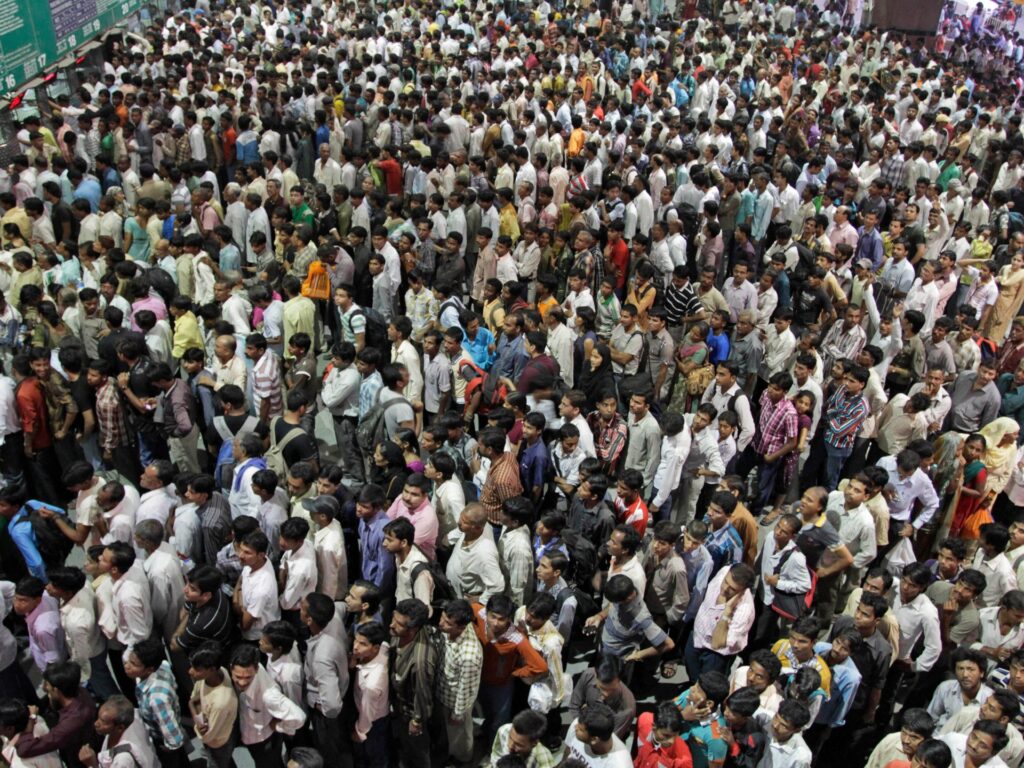
India has commenced the monumental task of conducting the world’s largest population census, marking a yearlong endeavor to count every resident across the vast nation. Over three million officials have been mobilized to carry out this comprehensive enumeration, reflecting the immense scale and complexity of the exercise.
The census aims to gather vital demographic data that will inform government policies, development programs, and resource allocation for the coming decade. It will provide an updated snapshot of India’s population size, composition, and distribution, which is crucial for planning in sectors such as health, education, employment, and infrastructure.
This colossal undertaking involves a diverse workforce of trained census enumerators and supervisors who are visiting households across urban and rural areas, including remote and hard-to-reach regions. The officials collect information on factors such as age, gender, literacy, marital status, occupation, and living conditions.
Technological advancements have been integrated into this census to enhance accuracy and efficiency. For the first time, digital devices such as tablets and smartphones are being used for data collection, replacing traditional paper forms. This innovation is expected to reduce errors, speed up processing, and facilitate real-time monitoring of the census process.
The census is also significant for highlighting social and economic disparities, capturing data on marginalized communities including Scheduled Castes, Scheduled Tribes, and minority groups. Such data is essential for promoting inclusive growth and addressing inequalities.
India’s population, which is over 1.4 billion, presents unique challenges in enumeration. The diversity in languages, cultures, and lifestyles across the country adds layers of complexity to the census operation. Despite these challenges, the government is committed to ensuring the census is comprehensive and accurate.
Preparations for the census involved extensive training programs for census workers, public awareness campaigns to encourage cooperation among citizens, and collaboration with various stakeholders including state governments and local bodies.
The census data collected will undergo rigorous verification and tabulation before being released to the public and policymakers. It will serve as a cornerstone for the 2030 Sustainable Development Goals and help India track progress in key areas such as poverty reduction, health improvements, and educational attainment.
Overall, India’s latest population census represents a pivotal moment in the country’s governance and planning landscape, underscoring the power of data in shaping a more prosperous and equitable future for its people.