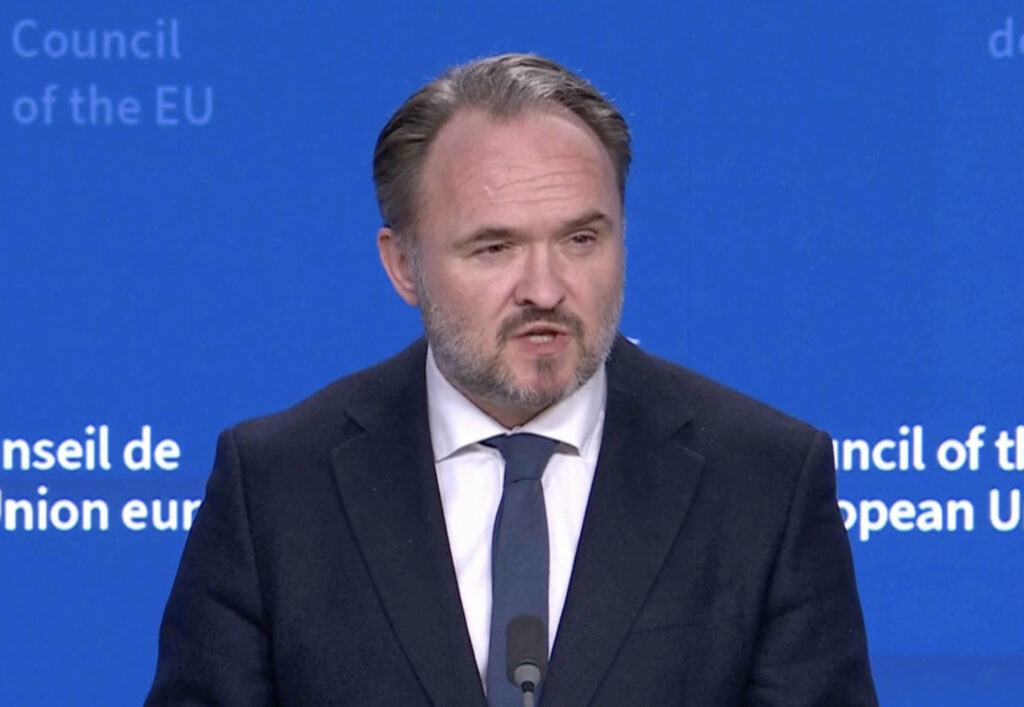
The European Union’s Energy Commissioner has issued a stern warning that oil and gas prices are unlikely to return to pre-conflict levels in the near future following the ongoing tensions and conflict involving Iran.
The geopolitical instability resulting from the Iran war has severely disrupted global energy markets. Iran, being a significant player in the global oil industry, has its oil exports and supply routes impacted, causing ripple effects across the world. This situation has led to heightened uncertainty and volatility in oil and gas prices.
The EU’s Energy Commissioner highlighted several key factors contributing to this prolonged disruption. Firstly, the strained diplomatic relations have caused sanctions and blockades that limit the flow of Iranian oil to international markets. Secondly, the overarching insecurity in the Middle East has elevated risks associated with transportation through critical chokepoints such as the Strait of Hormuz, a vital artery for global oil shipments.
Moreover, the EU is faced with increasing prices due to the cumulative impacts of supply chain disruptions, panic buying, and long-term contracts that set higher baseline prices for energy commodities. The Russian-Ukrainian conflict has further exacerbated these supply challenges, pushing prices upward.
The Commissioner stressed that energy markets have become more complex with reduced redundancy. The ability of alternative suppliers to fill the gap left by diminished Iranian crude supply is limited, meaning that any geopolitical tension can have immediate and prolonged impacts on prices.
In response, the EU is accelerating its strategy to diversify energy sources and boost investments in renewable energy and energy efficiency measures. However, transitioning away from fossil fuel dependence is a gradual process that will not mitigate price pressures in the short term.
Consumers across Europe are already feeling the pinch, with heating and fuel prices soaring during recent months. Governments have been forced to introduce subsidies and financial aid to protect vulnerable households and maintain economic stability.
Looking forward, the Energy Commissioner cautioned that energy price normalization is dependent on geopolitical developments beyond just the current Iran conflict. Stability in the Middle East, changes in global oil production, and strategic reserves management will all play crucial roles.
In conclusion, the EU’s warning illustrates the complex interplay of geopolitical factors influencing energy markets today. While unilateral peace efforts and diplomacy may eventually calm the situation, the immediate outlook for oil and gas prices remains uncertain and fraught with instability.
Stakeholders are urged to prepare for sustained high prices and to continue the urgent push for energy resilience and sustainability initiatives aimed at reducing dependency on volatile fossil fuel markets.