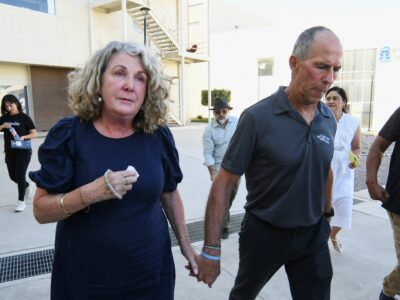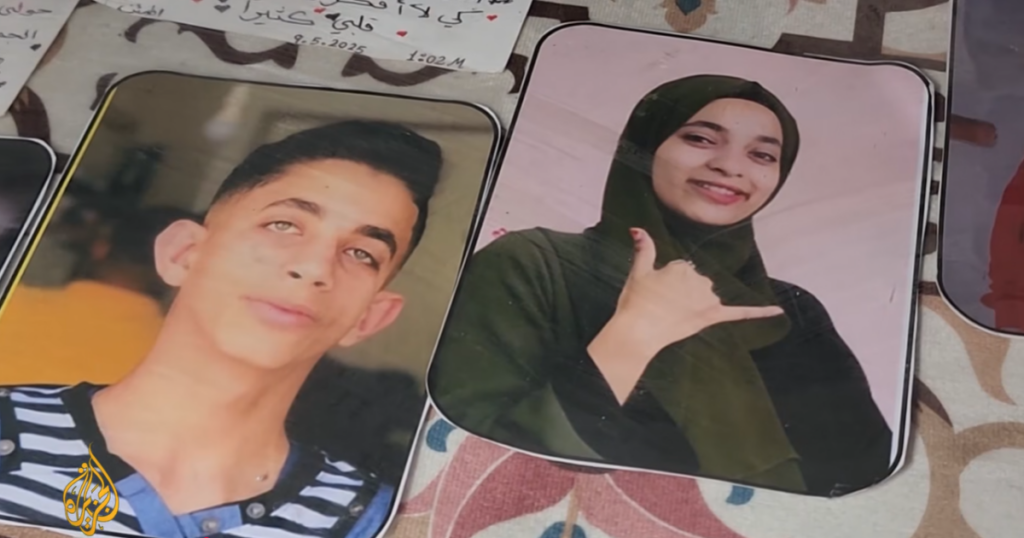
In the heart of Gaza, a mother named Tahrir Abu Mady grapples with a painful and perplexing uncertainty concerning her daughter Malak’s fate amidst the ongoing Israeli-Palestinian conflict. Tahrir holds tightly to Malak’s death certificate, a document that signifies a tragic loss. However, complicating her grief is the emergence of a prisoner’s list that includes Malak’s name, hinting she might not be dead but instead detained.
This paradox highlights the human cost in conflict zones where the fog of war and information chaos often hinder clarity and truth. For Tahrir, the death certificate should have offered closure, yet the prisoner list propels her into a painful limbo — a mother’s worst nightmare of not knowing her child’s true status.
Malak’s case is emblematic of many families caught in Gaza, a region besieged by continuous tensions and hostile exchanges. Israeli military operations and Palestinian resistance activities have led to numerous deaths, arrests, and disappearances over the years. Accusations and counter-claims about detentions and fatalities often complicate the reality on the ground.
Human rights organizations report that detentions without transparent legal procedures and non-disclosure of detainees’ whereabouts remain major concerns in the region. Families like Tahrir’s endure significant emotional trauma, compounded by a lack of clear communication from authorities involved.
The mother’s anguish is deeply rooted in the ambiguity created by conflicting official records. While the death certificate registers a final act in Malak’s life, the prisoner list breathes a flicker of hope that she might be alive and held captive. This duality fuels a strenuous emotional rollercoaster, as Tahrir oscillates between mourning and hope.
Beyond personal pain, Malak’s story underscores broader issues related to civilian rights amid military conflicts. It draws attention to the necessity for transparent and accountable practices in handling detainees and casualties within conflict zones. Accurate record-keeping and timely, honest communication are critical to safeguarding families’ right to know the truth about their loved ones.
Moreover, international humanitarian law advocates for protections to prevent enforced disappearances and to guarantee detainees’ humane treatment, all of which are at risk in conflict zones such as Gaza.
The saga of Malak and Tahrir Abu Mady is a somber reminder of the toll war takes on innocent civilians, especially women and children. It also echoes the urgent need for conflict resolution efforts that consider the protection of human rights and the alleviation of suffering in war-ridden areas.
As global attention remains fluctuating, individual stories like Malak’s expose the enduring human tragedy behind geopolitical disputes. Tahrir’s fight for answers symbolizes the broader struggle of countless families trapped in cycles of violence and uncertainty.
In conclusion, the question Persists: Did Israel kill Malak or arrest her? This query transcends the personal to highlight the profound challenges in securing justice, truth, and peace in conflict zones worldwide. Until these fundamental issues are addressed, many like Tahrir will remain in agony, waiting for clarity amid chaos.