In a significant escalation of hostilities, drones once again targeted Russia’s strategic Ust-Luga port, coinciding with a visit by European Union officials to Ukraine. This attack highlights the intensifying conflict and the ongoing tactical maneuvers by Ukraine against Russian infrastructure.
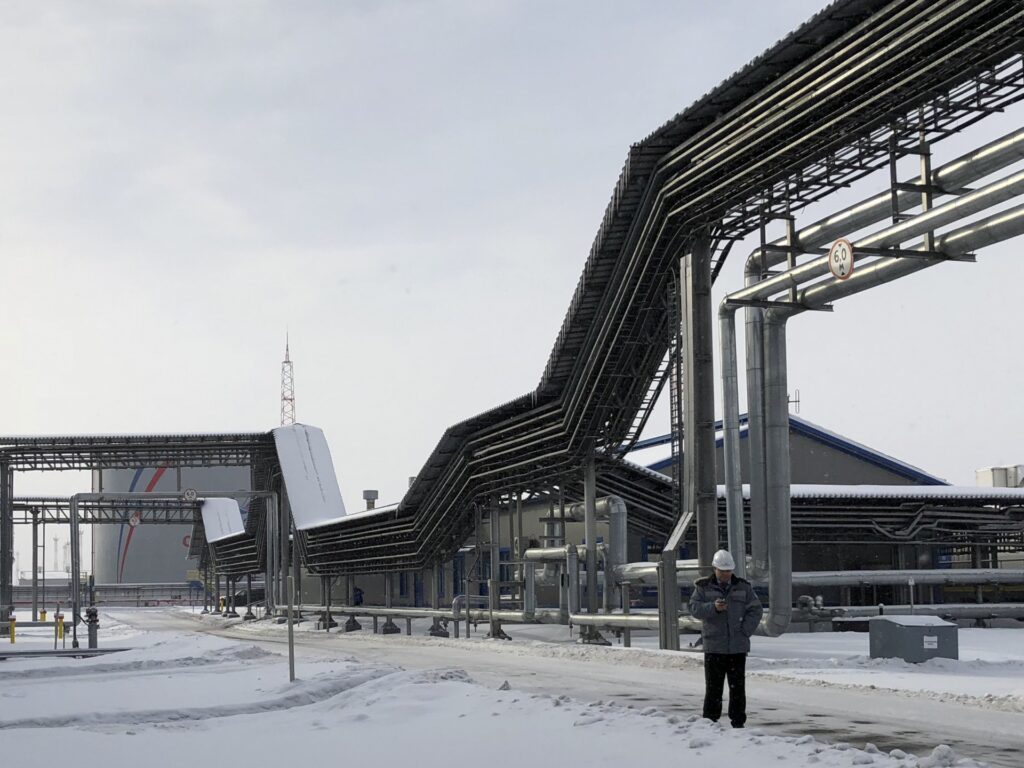
The air strike on Ust-Luga, a crucial Russian port on the Baltic Sea, underscores Ukraine’s continued focus on disrupting Russian supply routes and logistics. It also sends a message during a politically sensitive time as EU representatives are in Ukraine, signaling strong European support amidst the conflict.
On the same night as the Ust-Luga drone strike, Ukraine’s air defense forces reported an impressive feat, successfully shooting down 267 out of 289 drones launched by Russia. This high interception rate demonstrates Ukraine’s robust defensive capabilities and resilience against intensive aerial attacks.
These drone offensives are part of an ongoing campaign by Russia, aiming to weaken Ukraine’s defenses and morale, while Ukraine reciprocates by targeting key Russian military and infrastructural nodes. The Ust-Luga port strikes are particularly significant because of the port’s importance to Russia’s export and military shipping activities.
The timing of the drone attacks with the EU delegation’s visit to Ukraine is notable. It reflects the volatile military situation on the ground and the complex geopolitics involved. The European Union has been a critical ally to Ukraine, providing aid, political backing, and sanctions against Russia.
This incident may further galvanize EU support, reinforcing the urgency of diplomatic and military efforts to assist Ukraine. The EU officials’ visit aims to assess the on-ground situation firsthand and discuss future strategies and support mechanisms.
In summary, the recent drone strikes on Russia’s Ust-Luga port, combined with Ukraine’s effective air defense, illustrate the dynamic and high-stakes conflict between the two nations. The events also emphasize the critical role of international actors, particularly the European Union, in shaping the conflict’s trajectory. As the situation evolves, close attention will be paid to further military actions and diplomatic developments in the region.