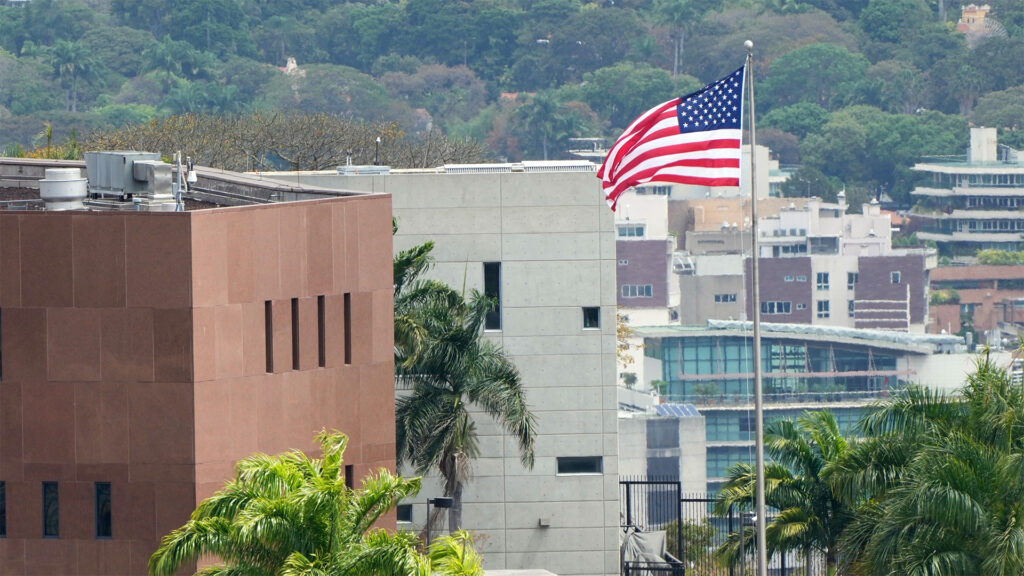
In a significant diplomatic move, the United States has officially reopened its embassy in Venezuela nearly three months after the contentious abduction of former Venezuelan leader Nicolas Maduro. This reopening marks a pivotal step in the complex relationship between the two countries, which have experienced heightened tensions over the past years.
The abduction of Nicolas Maduro, a figure central to Venezuelan politics and international controversies, had led to a freeze in diplomatic interactions and the closure of the US embassy in Caracas. The event sent shockwaves through diplomatic channels and significantly impacted regional stability.
The US decision to restore its embassy operations signals a potential thaw in bilateral relations and an opening for renewed dialogue between Washington and Caracas. Embassy staff have returned, and consular services are resuming, with officials emphasizing the importance of diplomatic engagement in resolving ongoing political and humanitarian challenges in Venezuela.
Experts suggest that reopening the embassy could facilitate better cooperation on issues ranging from economic assistance to human rights advocacy. It also opens the door for more effective communication channels amid ongoing international efforts to support Venezuelan democracy and address the socio-economic crisis.
However, this move is not without controversy. Critics argue that reopening the embassy might be perceived as endorsing Maduro’s controversial leadership, which has been accused of human rights violations and undermining democratic institutions. Supporters, on the other hand, view it as a pragmatic approach to engage constructively with the Venezuelan government for the benefit of its people.
The US embassy reopening comes at a time when Venezuela faces immense challenges, including economic instability, political unrest, and a humanitarian crisis affecting millions. The resumption of formal diplomatic presence may also help facilitate aid delivery and international support.
This development underscores the dynamic and often unpredictable nature of international relations in the region. As the US and Venezuela navigate this new phase, all eyes will be on how this diplomatic gesture influences the broader geopolitical landscape and the future of Venezuelan-American relations.
Analysts recommend cautious optimism, noting that while the reopening does not resolve all tensions, it creates a channel for communication that could eventually lead to more substantial progress on pressing issues affecting both nations.
In conclusion, the reopening of the US embassy in Venezuela is a landmark event that reflects a shift toward engagement amid a fraught political context. It holds potential implications for diplomacy, regional stability, and the ongoing quest for solutions to Venezuela’s deep-seated problems.