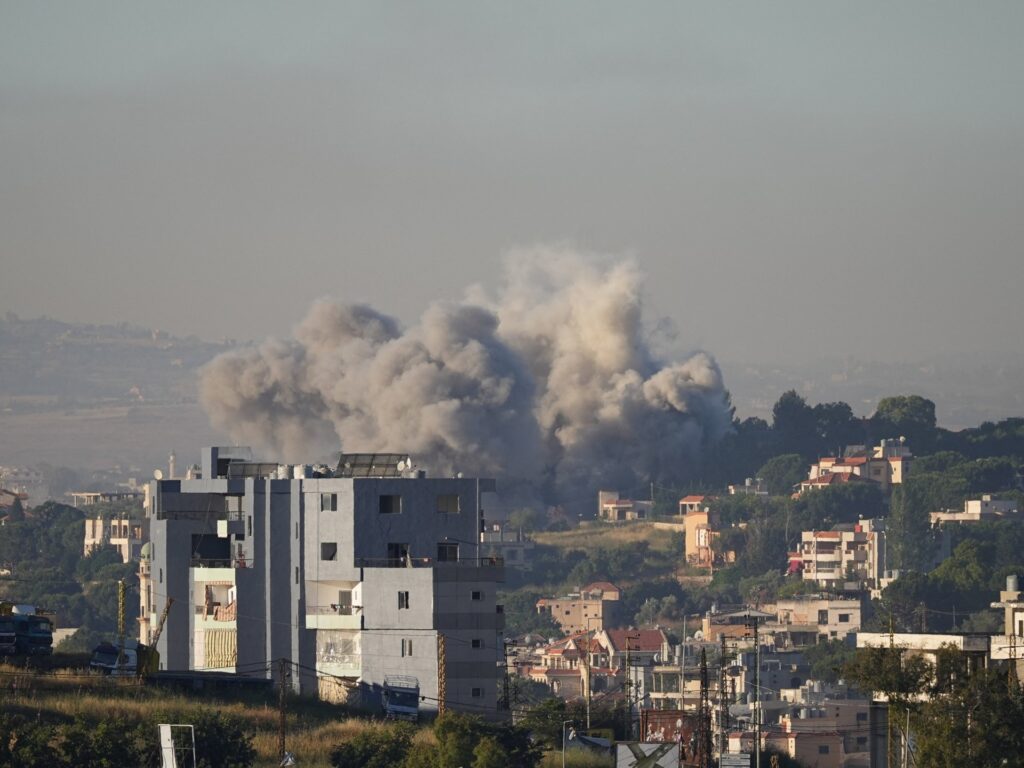
Tensions in the Middle East have escalated as Israel continues its deadly attacks in southern Lebanon, despite a recent deal brokered by the United States aimed at easing the conflict. The ongoing violence has resulted in the deaths of at least a dozen people, further raising concerns about stability in the region.
The United States had facilitated a ceasefire agreement between Israel and Lebanon, hoping to bring a reduction in hostilities and prevent a larger-scale war. However, Israeli military forces have reportedly launched multiple attacks targeting various locations within southern Lebanon, disregarding the terms of the agreement.
In addition to the air and ground strikes, the Israeli army has issued new forced displacement orders affecting several towns in southern Lebanon. These orders require residents of certain areas to vacate their homes, leading to fears of a humanitarian crisis as displaced families face uncertain futures.
The reasons cited by Israel for continuing its offensive include the presence of militant groups operating in southern Lebanon, which Israel claims are threats to its national security. Despite international calls for restraint and dialogue, hostilities persist, creating a volatile and dangerous environment for civilians.
Lebanese officials have condemned the attacks, accusing Israel of violating sovereignty and international law. They highlight the devastating consequences for local communities, including loss of life, destruction of property, and disruption of daily life.
The international community remains deeply concerned. Diplomatic efforts are ongoing to de-escalate the situation and encourage both parties to adhere to the ceasefire and engage in constructive negotiations. However, the continued violence and forced displacements complicate these efforts.
Humanitarian organizations have also raised alarms about the growing crisis in southern Lebanon. They call for immediate access to affected areas to provide aid and assistance to those displaced or injured by the conflict.
As the situation evolves, the prospects for a peaceful resolution remain uncertain. The persistence of Israeli attacks despite the US-brokered deal underscores the complexities and deep-rooted tensions in the region, suggesting that a durable peace will require sustained international engagement and a willingness on all sides to compromise.
This latest outbreak of violence serves as a stark reminder of the fragility of peace efforts in the Middle East and the urgent need for renewed commitment from all stakeholders to protect civilians and promote stability.