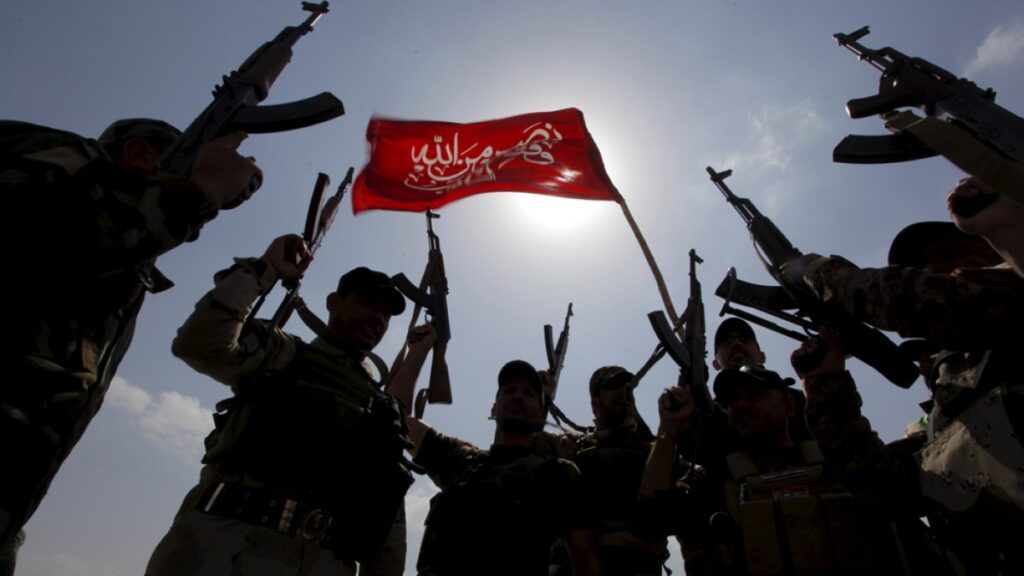
Iraq finds itself at a critical crossroads in its regional relationships as new tensions flare up due to attacks by Iran-aligned militant groups operating within its borders. Recent cross-border attacks targeting Gulf nations have prompted a joint condemnation from Arab countries, highlighting Baghdad’s ongoing struggle to manage and control armed proxies on its soil.
The situation underscores a severe challenge for Iraq’s government, which is balancing its domestic interests, the influence of Iran-backed militias, and its diplomatic ties with neighboring Arab states. The militant groups in question have launched several coordinated strikes across borders, causing damage and escalating fears of broader regional instability.
Arab states, traditionally allied and interconnected through political, economic, and cultural ties, have issued a rare collective statement denouncing the attacks. This joint condemnation signals increasing impatience and concern over Baghdad’s inability or unwillingness to rein in these groups, which many in the region view as extensions of Iranian influence.
The attacks have primarily targeted Gulf nations that are wary of Iran’s expanding footprint and the associated security implications. These nations have long maintained strategic partnerships with Iraq, but the recent violence threatens to undermine these relationships and push Arab countries to reconsider their engagement with Baghdad.
Iraq’s government is caught between a rock and a hard place. On one hand, the political and military power of Iran-aligned militias is substantial, with deep roots in Iraqi society and strong backing from Tehran. On the other, the need for stable and peaceful relations with Gulf neighbors is crucial for Iraq’s economic development and regional integration.
Experts argue that the failure to control armed proxies not only jeopardizes Iraq’s domestic security but also its standing in the Arab world. The issue raises fundamental questions about sovereignty and state authority in Iraq, where militias have operated with significant autonomy.
Diplomatic efforts are now underway as regional powers seek to de-escalate tensions. Iraq’s leadership faces increasing pressure from both internal and external actors to take decisive action. How Baghdad responds could determine its future role as a bridge or a barrier among Arab nations.
The broader implications for Middle Eastern geopolitics are significant. The conflict illustrates the intricate web of alliances and enmities, with Iran’s role as a regional power complicating traditional Arab relationships.
In summary, Iraq stands at a pivotal moment where its inability to control Iran-aligned armed groups risks alienating crucial Arab partners. The joint Arab condemnation serves as a clear warning that failure to address this issue could have lasting repercussions for Iraq’s diplomatic standing and regional stability.