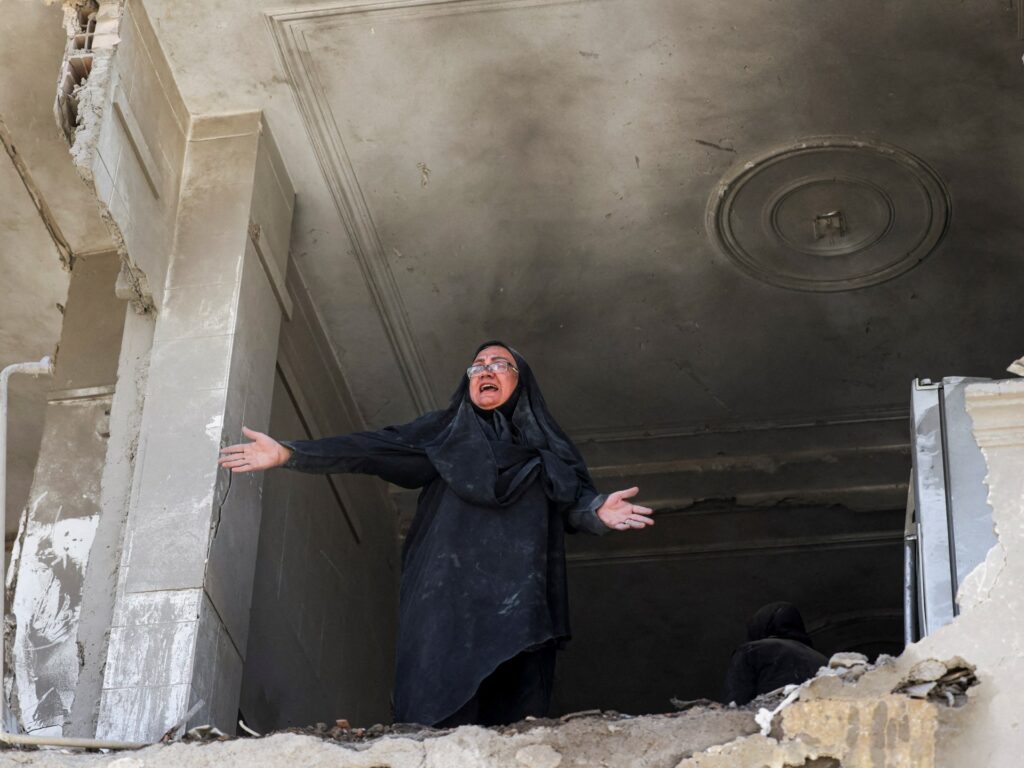
The already volatile situation in the Middle East has taken a severe turn as a Kuwaiti oil tanker was struck at the Dubai port, intensifying fears of regional conflict escalation. This incident comes amid ongoing hostilities linked to Iran’s continued retaliation against US and Israeli military actions. In the latest tragic development, three United Nations peacekeeping troops have been killed, marking a significant loss and highlighting the dangers faced by international forces in the region.
The Gulf region is witnessing increased diplomatic activity as leaders from Saudi Arabia, Qatar, and Jordan have convened to discuss the escalating tensions. The meeting signifies a regional effort to address and possibly de-escalate the conflicts that threaten the stability of Gulf nations.
Iran’s recent actions are viewed as retaliatory strikes in response to US-led and Israeli operations perceived as aggressive or hostile. These attacks include assaults on economic and strategic assets within Gulf countries, further straining relations and raising concerns of a broader conflict spillover.
The attack on the Kuwaiti oil tanker in Dubai port is particularly significant due to the strategic importance of Gulf ports in global energy supply chains. Shipping routes in this area are vital for the transit of oil and gas, and disruptions could have wide-reaching economic impacts worldwide.
The killing of three UN troops underscores the challenges facing peacekeeping and monitoring missions tasked with maintaining order and reporting on developments in the conflict zones. It also raises questions about the safety and effectiveness of international intervention in this complex and volatile environment.
Saudi Arabia, Qatar, and Jordan’s leadership summit is expected to focus on formulating a collective response to Iran’s actions, seeking diplomatic solutions to prevent further escalation while addressing security concerns. The convergence of these leaders suggests a recognition of the need for regional unity and cooperation amid growing external pressures.
Observers note that the situation remains fluid, with a high risk of further incidents that could draw in additional regional and international players. The international community has expressed concern over the escalating violence and the potential for a wider conflict that could disrupt peace and economic stability beyond the Gulf.
In conclusion, the recent attack on the Kuwaiti oil tanker and the death of UN personnel highlight the severity of the ongoing conflict in the Gulf. The meeting of Gulf Arab leaders symbolizes a crucial step towards seeking peace and security in the region, though the path forward remains fraught with challenges and uncertainties.
Continued monitoring and diplomatic engagement are essential as the Gulf nations navigate this tense period, hoping to prevent further casualties and maintain crucial economic lifelines that depend on regional stability.