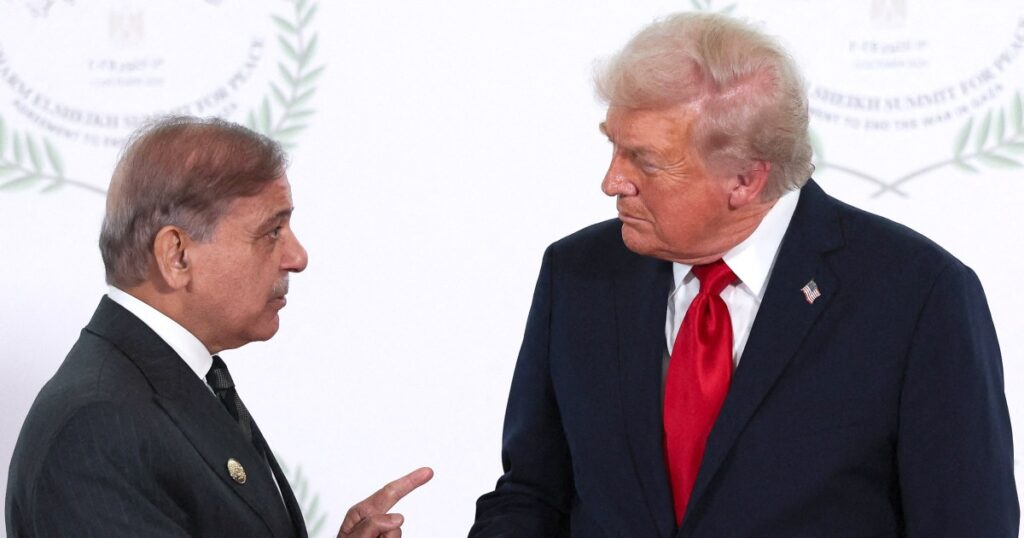
Pakistan has historically played a significant role as a diplomatic intermediary between rival powers, a tradition that continues amid current global tensions. From the era of President Richard Nixon to that of Donald Trump, Pakistan has frequently acted as a backchannel, facilitating communication and negotiation behind the scenes between conflicting nations.
This longstanding role is once again prominent as the United States and Iran appear to edge closer to a wider confrontation. Islamabad is reprising its role as a diplomatic broker, endeavoring to reduce tensions and open lines of dialogue between Washington and Tehran.
The diplomatic significance of Pakistan’s position stems from its geographic and political placement. Bordering Iran and maintaining complicated but essential relationships with both the U.S. and Iran, Pakistan is uniquely positioned to serve as a mediator.
Historically, during the Cold War, Pakistan was a critical conduit for secret communications between the U.S. and China, famously facilitating President Nixon’s groundbreaking visit to Beijing. This set a precedent for Pakistan’s involvement in backdoor diplomacy.
In more recent years, during the Trump administration, Pakistan continued to serve as an intermediary in efforts to negotiate peaceful resolutions to conflicts involving U.S. interests in the region, including Afghanistan and Iran.
Currently, as the U.S. and Iran navigate a delicate and potentially explosive geopolitical landscape, Pakistan’s diplomatic channels offer a valuable means to de-escalate tensions. Analysts note that both the U.S. and Iran perceive Pakistan as a credible and somewhat neutral party capable of shuttling messages and proposals that might be politically sensitive if made public.
Pakistan’s engagement as a diplomatic broker is not without challenges. Its own complex relationships with regional powers and internal political dynamics can both enhance and constrain its influence.
Moreover, Islamabad must balance its ties with the U.S., which includes reliance on American aid and strategic partnership, against its historic and economic ties to Iran, its neighbor.
Despite these challenges, Pakistan’s role remains pivotal. It functions as a bridge in a region fraught with mistrust and escalating conflicts.
Experts argue that sustaining and enhancing such backchannel diplomacy can be crucial in preventing misunderstanding and unintended escalation between major powers.
The revival of Pakistan’s role as a backchannel broker underscores the enduring importance of diplomatic channels outside formal, public negotiations. Such channels allow for candid dialogue, trust-building, and problem-solving away from the glare of international scrutiny.
As the geopolitical environment remains volatile, the importance of neutral intermediaries like Pakistan becomes ever more critical. The country’s diplomatic efforts in the present situation with the U.S. and Iran may help avert a broader conflict while promoting regional stability.
Looking ahead, Pakistan’s ongoing engagement will be closely watched by international actors who recognize its unique capability to mediate between rival powers.
In sum, Pakistan’s historical and current diplomatic backchannel role not only highlights its strategic importance but also illustrates the complex interplay of international relations where unofficial lines of communication play a vital role in peace and stability efforts.