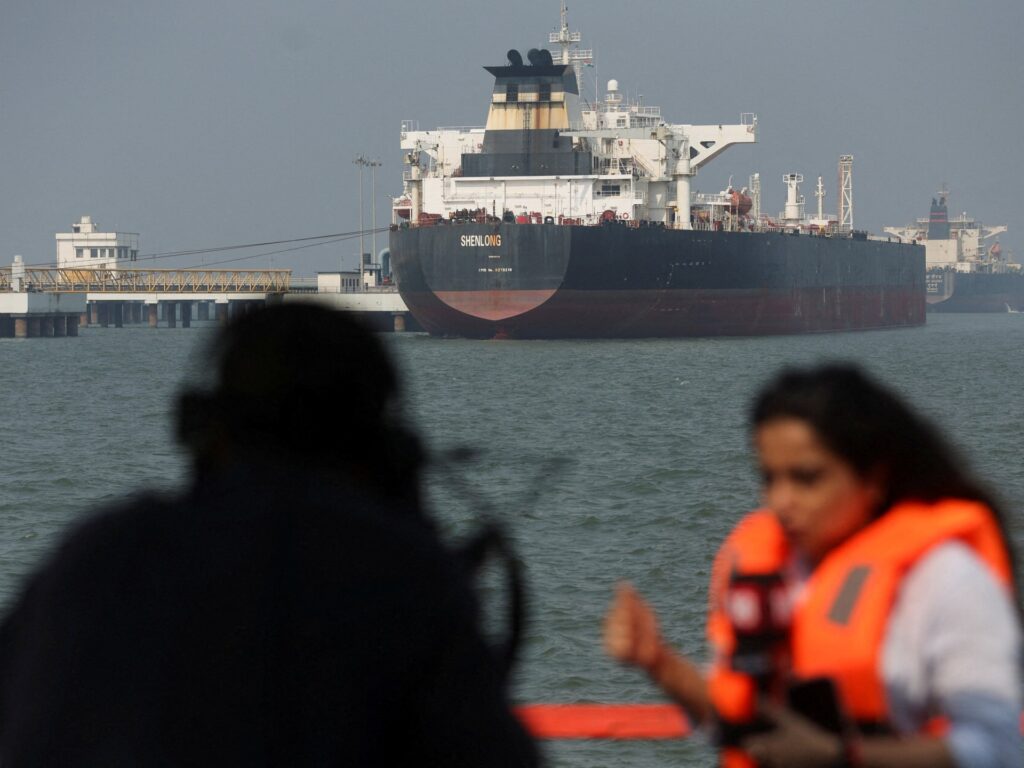
In response to the ongoing global supply challenges triggered by the conflict involving Iran, India, the world’s third-largest crude oil importer, has implemented significant measures to ease fuel costs. The Indian government has announced a reduction in fuel taxes, aiming to alleviate the pressure on consumers and stabilize domestic markets amid concerns over fuel shortages.
This move comes amid rising crude oil prices and supply chain disruptions caused by geopolitical tensions. India, heavily reliant on crude oil imports to meet its growing energy demands, has faced increased financial strain due to soaring global fuel prices. The tax cuts are designed to soften the economic blow for millions of citizens and industries that depend heavily on affordable fuel.
Alongside the announcement, Indian officials have issued strong statements denying circulating rumors about an impending nationwide lockdown. They emphasized that these claims are “completely false,” aiming to calm public fears and maintain economic stability.
India’s energy strategy is under close watch globally, given its large consumption rates and pivotal role in the world oil market. The government’s decision reflects a broader trend of policy adjustments by major oil consumers to manage inflation and energy security in a volatile international landscape.
The reduction in fuel taxes is expected to provide immediate relief at the pump and could influence consumption patterns in the coming months. Analysts suggest that while this measure is positive in the short term, the underlying challenges related to supply disruptions from conflict zones like Iran will require longer-term strategic planning.
These developments occur as India seeks to balance economic growth with energy sustainability, navigating a complex geopolitical environment. The government has also signaled its commitment to exploring alternative energy sources to reduce dependence on unstable oil markets.
In conclusion, India’s proactive fiscal decisions, coupled with clear communication to dispel misinformation about lockdowns, highlight the nation’s approach to managing one of the most crucial sectors in its economy during uncertain times.