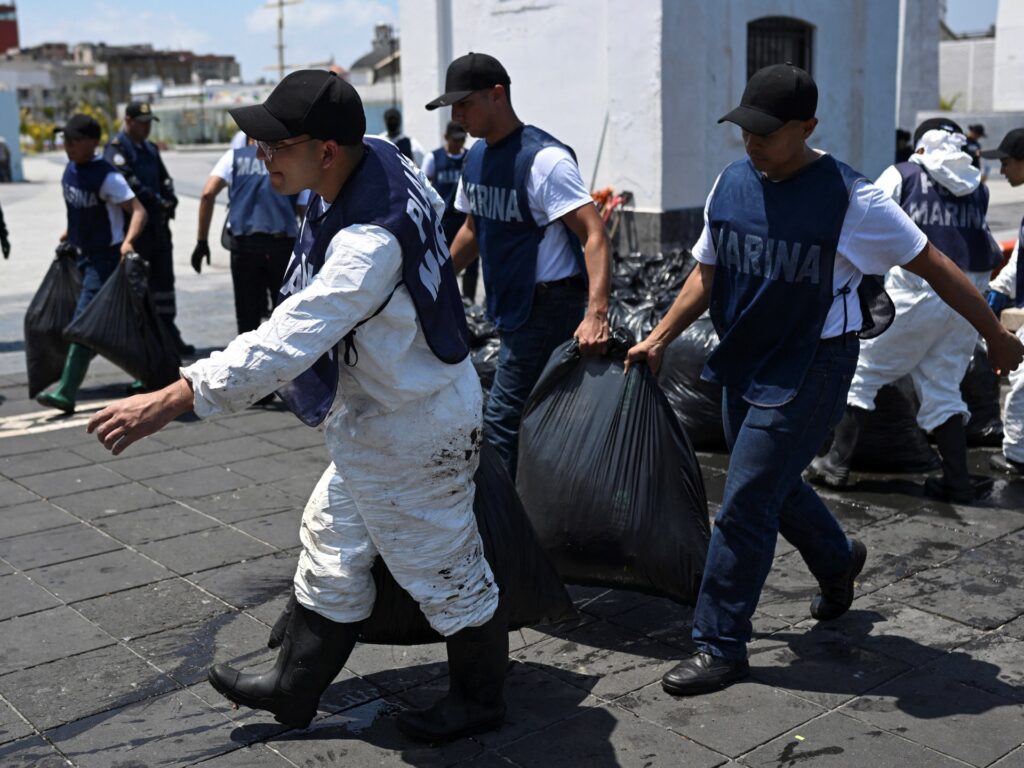
An active oil spill in the Gulf of Mexico has caused significant environmental damage, impacting marine wildlife and coral reefs. Authorities have confirmed that the oil is seeping from three separate sources, including an unidentified vessel. The spill’s ongoing nature raises concerns over the scale of destruction to the Gulf’s rich biodiversity.
The Gulf of Mexico is home to a diverse ecosystem, including numerous species of fish, sea turtles, marine mammals, and delicate coral reefs. The oil spill threatens to disrupt this balance, leading to fatal consequences for wildlife. Several reports have already indicated deaths among marine animals attributed to oil exposure.
Coral reefs, essential for marine life as breeding grounds and protective barriers for coastlines, are also suffering damage. Oil contamination compromises the reefs’ health by blocking sunlight and introducing toxic substances, which can lead to long-term degradation and mortality.
Authorities are actively engaged in addressing the spill by identifying all sources, including the unidentified vessel, and coordinating cleanup efforts. The complexity of the spill, involving multiple points of leakage, poses a significant challenge for containment and mitigation strategies.
Environmental groups have called for increased transparency and immediate action to prevent further harm. They stress the importance of protecting the Gulf’s ecosystem, which supports fisheries and tourism economies vital to the region.
The incident also highlights the risks associated with offshore oil extraction and transportation. Experts emphasize the need for stringent regulations and monitoring to prevent future disasters.
Cleanup operations include deploying containment booms, skimmers, and chemical dispersants, though the latter’s environmental impacts remain controversial. Wildlife rescue teams are also mobilizing to treat affected animals.
Long-term ecological monitoring will be necessary to assess the full impact of the spill and guide restoration efforts. The disaster serves as a stark reminder of the fragile relationship between industrial activities and natural marine environments.
Communities dependent on the Gulf’s resources are urged to stay informed and support conservation initiatives. Meanwhile, authorities continue investigations to hold responsible parties accountable and prevent recurrence.
This ongoing environmental crisis underscores the urgent need for sustainable practices in marine resource management and emergency response preparedness to safeguard the Gulf of Mexico’s invaluable natural heritage.