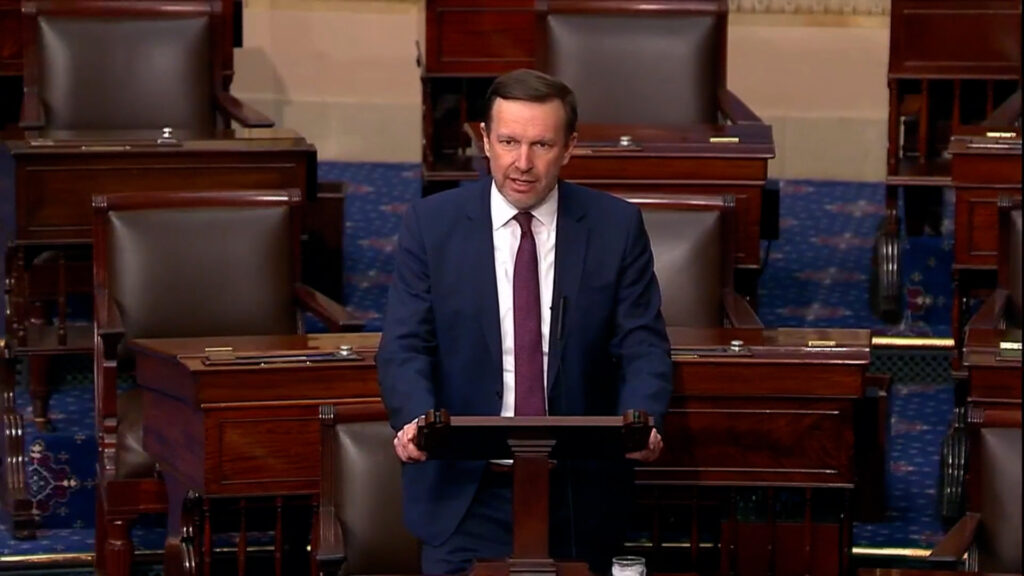
In a significant development in US-Iran relations and American political discourse, the US Senate has voted against a war powers resolution that sought to end US military attacks on Iran. The resolution was narrowly defeated with a vote of 47 in favor and 53 against. This outcome has sparked notable condemnation from US Democrats, who view the failure as a setback in efforts to curtail US military involvement in the region.
The war powers resolution was introduced as a legislative measure aimed at restricting the executive branch’s authority to conduct military operations against Iran without explicit Congressional approval. This move comes amid ongoing tensions between the United States and Iran, including recent escalations and military confrontations that have raised concerns about the potential for broader conflict in the Middle East.
Democratic lawmakers have expressed strong opposition to the failure of the resolution, arguing that the vote reflects a continuation of unilateral military actions that bypass Congressional oversight. They emphasize the importance of congressional authority in decisions that could lead to armed conflict, advocating for a more cautious and measured approach to US policy toward Iran.
Proponents of the resolution highlighted the risks of escalating military engagements in the Middle East, citing the potential for increased regional instability and the human and financial costs associated with prolonged conflict. Critics of the resolution, however, argued that the executive branch requires flexibility to respond swiftly to perceived threats posed by Iran, particularly in matters concerning national security.
The Senate debate illuminated deep partisan divisions within the US Congress over foreign policy and the use of military force. While many Democrats supported the resolution as a necessary check on presidential power, most Republicans opposed it, emphasizing the need for a strong stance against Iranian hostility.
Internationally, this vote has been closely watched by allies and adversaries alike, as it signals the US government’s stance on Iran and broader Middle Eastern affairs. The failure of the resolution may be interpreted as a green light for continued US military actions, potentially impacting diplomatic efforts and regional stability.
The condemnation from US Democrats following the vote reflects broader concerns among progressive and moderate factions within the party about the long-term implications of military engagement with Iran. They call for renewed diplomatic efforts and stress the importance of dialogue and sanctions as alternative tools to confront the Iranian government.
This episode underscores the ongoing complexities of US foreign policy in the Middle East and the challenge of balancing national security interests with congressional oversight and international diplomacy. It also highlights the continuing debate in the US political landscape over the role and limits of executive power in matters of war and peace.
As the situation develops, attention will likely turn to potential future legislative efforts aimed at revisiting war powers and the strategic approach to Iran. The Senate’s decision marks a pivotal moment in this ongoing struggle over US military and diplomatic policy in the region.