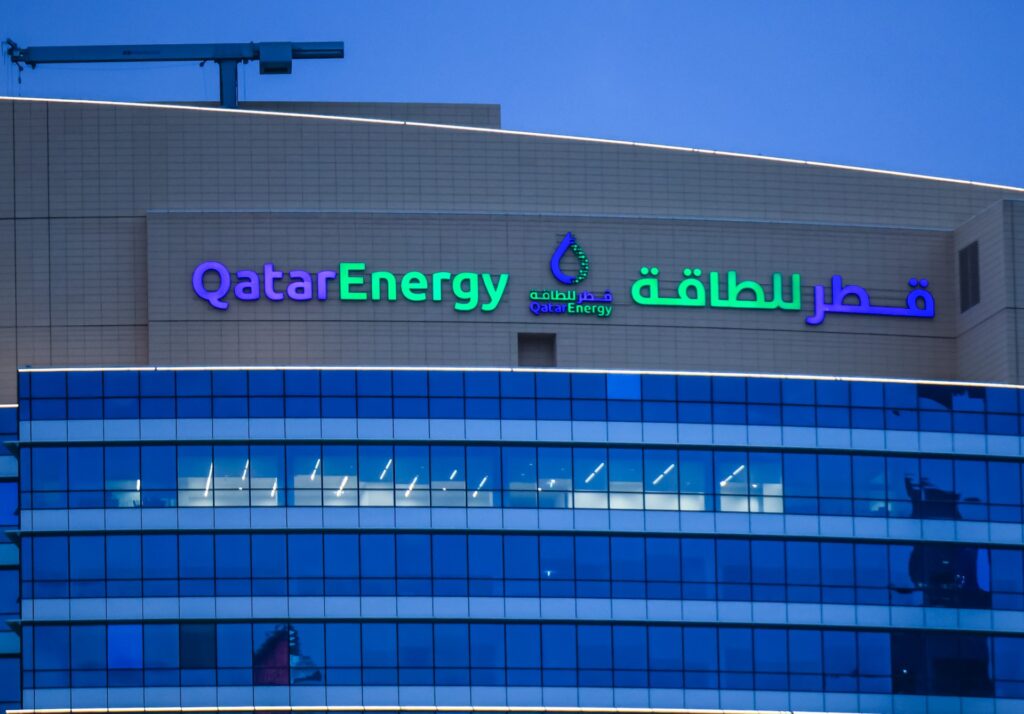
QatarEnergy, the world’s largest liquefied natural gas (LNG) producer, has recently declared force majeure on some of its LNG contracts. This significant move comes as a direct consequence of the ongoing US-Israeli conflict against Iran, which has led to widespread production disruptions affecting Qatar’s LNG supply capabilities.
The declaration of force majeure—a legal provision excusing a party from fulfilling contractual obligations due to extraordinary events—is indicative of the serious operational challenges that QatarEnergy is currently facing. The tension and instability in the Gulf region have disrupted critical supply chains and production facilities, prompting this protective measure.
QatarEnergy, known for its extensive LNG exports globally, has been a stable supplier in the energy market. However, the escalation of the war on Iran has triggered multiple logistical and safety issues, delaying shipments and reducing output rates. These complications have forced the company to notify some of its customers that deliveries under specific contracts cannot be guaranteed within the initially agreed timeframe.
The wider geopolitical conflict involves not only military operations but also economic sanctions and trade barriers that have had a ripple effect on energy markets worldwide. Qatar, as a neighboring Gulf state with substantial energy infrastructure, has found itself caught in the crossfire, facing challenges such as restricted access to transit routes, elevated security risks, and interrupted workforce availability.
This development comes as markets were already grappling with volatility driven by energy demand fluctuations and uncertain global supply chains. QatarEnergy’s force majeure declaration underscores the fragility of LNG supply stability amid geopolitical crises. Industry analysts anticipate that this situation may lead to increased LNG prices due to anticipated supply shortages.
QatarEnergy has assured its stakeholders that it is taking all possible measures to mitigate disruptions, including ramping up production at unaffected sites, exploring alternative transit solutions, and enhancing security protocols. Nonetheless, the situation remains fluid, and recovery timelines are uncertain.
The impact extends beyond Qatar, affecting international customers relying on LNG for power generation, heating, and industrial purposes. Countries heavily dependent on LNG imports from Qatar may need to adjust their energy procurement strategies and seek alternate suppliers to meet their demands.
In conclusion, the declaration of force majeure by QatarEnergy on LNG contracts amidst the US-Israeli conflict with Iran highlights the broader implications of geopolitical unrest on global energy security. Stakeholders worldwide are closely monitoring developments and potential consequences for energy markets as this complex and evolving situation unfolds.