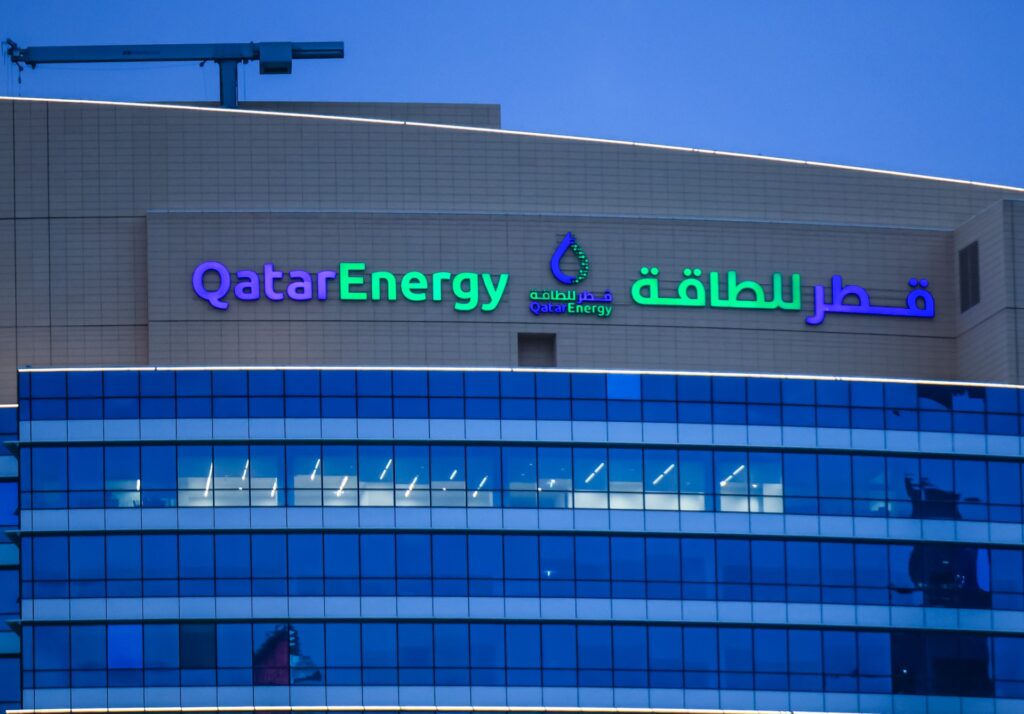
QatarEnergy has officially declared force majeure on certain liquefied natural gas (LNG) contracts following production disruptions linked to the ongoing war involving the US, Israel, and Iran. This declaration signals significant operational challenges faced by Qatar, a leading LNG exporter, due to regional instability.
The conflict has not only caused geopolitical tensions but has also directly impacted energy supplies. Qatar, despite its geographic distance from Iran, is experiencing disruptions in its LNG production capabilities, affecting its ability to meet contractual delivery obligations. This declaration allows QatarEnergy to temporarily halt or suspend performance of its contractual obligations without penalty, citing circumstances beyond their control.
QatarEnergy’s force majeure declaration reflects the broader impact of the US-Israeli war on Iran, underscoring vulnerabilities in global energy markets tied to Middle Eastern geopolitical dynamics. The company’s decision comes as part of a strategy to manage risks from the war, which has affected supply chains and production infrastructure.
Energy experts note that Qatar, a major LNG supplier, plays a crucial role in stabilizing global gas markets. Disruptions from geopolitical conflicts can cause ripple effects including price volatility and supply shortages. The ongoing war involving Iran has led to increased uncertainties in the region, complicating energy export routes and operations.
This development also raises concerns about the stability of energy supplies to key LNG consumers worldwide, particularly those reliant on Middle Eastern gas exports. QatarEnergy is likely to work closely with customers and stakeholders to navigate the situation and implement contingency measures.
The declaration of force majeure is a rare but significant step that highlights the risks faced by energy producers in conflict zones. While Qatar itself is not a direct party to the conflict, its proximity and interconnected energy infrastructure mean it cannot avoid the repercussions entirely.
Overall, this situation showcases how geopolitical conflicts in one part of the world can impact energy security globally, affecting everything from production to pricing. The world is watching closely as QatarEnergy manages this challenge amid a highly volatile regional landscape. Updates on LNG supply restoration and negotiation of contract terms are expected as events unfold.
In summary, QatarEnergy’s force majeure declaration amid the Iran war underscores the complex interplay between geopolitical conflicts and global energy markets, emphasizing the need for diversified and resilient energy supply chains.