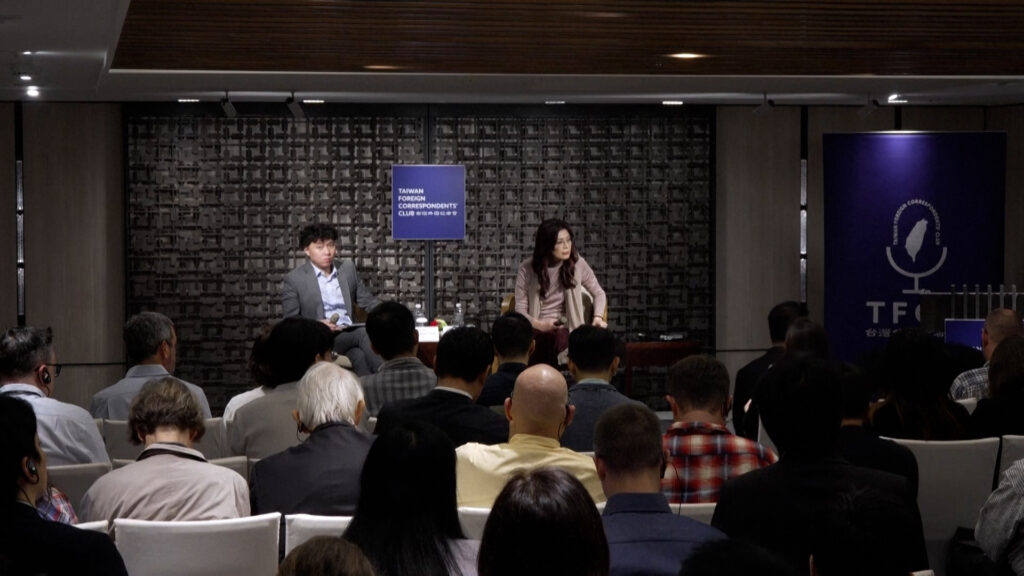
Cheng Li-wun, the leader of Taiwan’s main opposition party, the Kuomintang (KMT), recently made remarks underscoring the party’s stance on cross-strait relations with China. Cheng stated that efforts to improve ties with Beijing do not mean that Taiwan must adopt an anti-US position.
The Kuomintang, known for its more China-friendly policies compared to the ruling Democratic Progressive Party (DPP), has long advocated for increased dialogue and cooperation with China as a way to ensure peace and stability in the region. Cheng’s comments come amid ongoing geopolitical tensions in the Taiwan Strait and heightened global attention on relations between the US, Taiwan, and China.
In her statement, Cheng emphasized that Taiwan can pursue better relations with its neighbor to the west without compromising its relationship with the United States, a major security partner and ally. She suggested that it is possible to balance relationships in a way that prioritizes Taiwan’s economic interests and sovereignty while avoiding antagonistic stances toward either party.
This position reflects the nuanced approach the Kuomintang has tried to take, striving to maintain Taiwan’s autonomy and democratic values while fostering regional dialogue. Improving communication with Beijing, according to Cheng, could help reduce tensions and contribute to stability in the Taiwan Strait, which is a critical shipping and strategic corridor.
Taiwan’s relationship with the US has traditionally included military support and diplomatic backing, which has irritated Beijing that considers Taiwan a renegade province. Cheng’s remarks highlight the challenge Taiwan faces in navigating a complex triangular relationship where it must manage its own identity and security while engaging with both China and the US.
Political analysts see the Kuomintang’s stance as an attempt to present a pragmatic alternative to the more confrontational policies of the current government, which has emphasized Taiwan’s distinct identity separate from China. By clarifying that engagement with Beijing does not equate to being anti-US, Cheng is signaling that Taiwan’s foreign policy could potentially be flexible and multifaceted.
The remarks also come at a time when Taiwan is grappling with economic, diplomatic, and security challenges amid regional instability. Public opinion in Taiwan remains divided over how to deal with China, with concerns about sovereignty and the threat of military conflict balanced against desires for peace and economic opportunity.
In conclusion, Cheng Li-wun’s comments highlight the Kuomintang’s belief in a balanced approach: improving relations with Beijing is seen not as a rejection of the United States but as a pragmatic step toward safeguarding Taiwan’s interests and contributing to regional stability. This perspective adds a significant voice to ongoing discussions about Taiwan’s future and its place on the global stage.