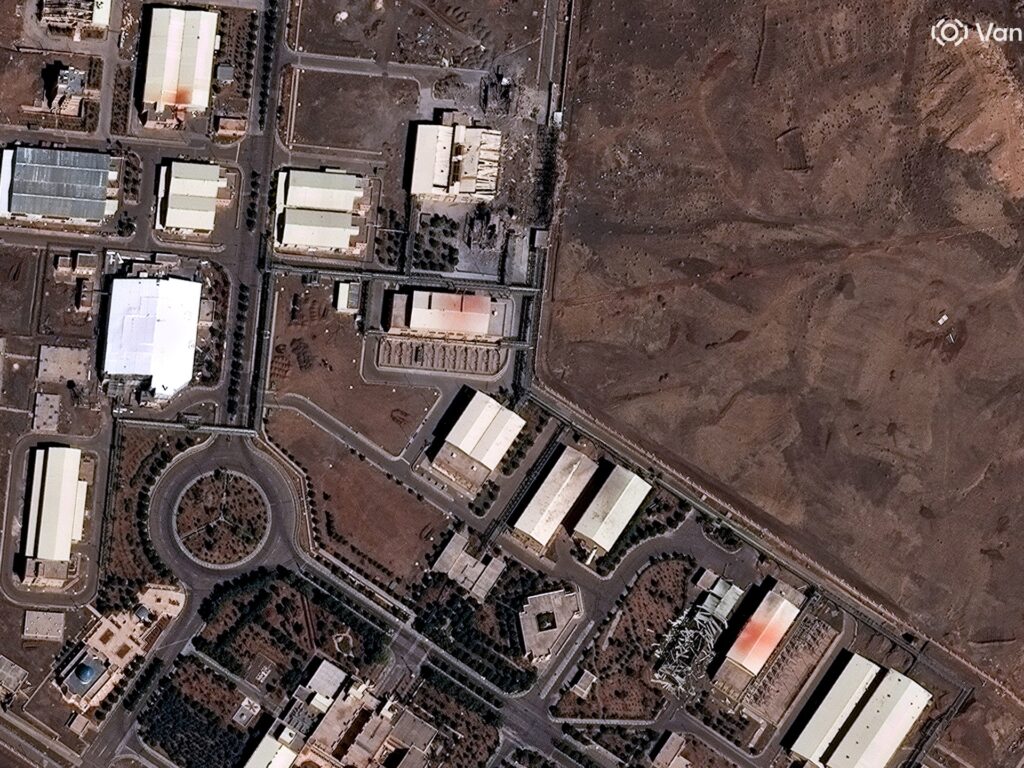
The International Atomic Energy Agency (IAEA) has confirmed reports that buildings at Iran’s Natanz nuclear facility have been damaged. This development comes amid continuing attacks attributed to US-Israeli efforts targeting the site. Despite the damage, the IAEA has assured the international community that there are currently no radiological consequences expected from the incident.
Natanz, a key site in Iran’s nuclear program, has been at the center of tensions for years, especially concerning Iran’s enrichment activities which some nations fear could be aimed at developing nuclear weapons capabilities. The recent damages reported by the IAEA add a new layer of concern regarding the stability of security and operations at the facility.
The US and Israel have reportedly orchestrated or supported several covert operations aimed at disrupting Iran’s nuclear advancement. These actions, intended to hamper the technological and infrastructural capabilities of the nuclear program, often provoke responses and escalate regional tensions.
The damage to the buildings at Natanz, while significant, has so far not led to any nuclear leakage or radiation hazards, according to the IAEA’s statement. The agency continues to monitor the situation closely and calls for all parties to avoid actions that could escalate the situation further or jeopardize nuclear safety.
The broader geopolitical conflict surrounding Iran’s nuclear program involves multiple actors including regional rivals and global powers. Machinery and infrastructure damages like those at Natanz exacerbate mistrust and complicate diplomatic efforts aimed at reaching peaceful resolutions.
Experts fear that continued sabotage and military actions at such sensitive sites could lead to unintended consequences, including potential accidents or environmental harm. The international watchdog stresses the importance of peaceful dialogue and adherence to nuclear non-proliferation treaties.
The IAEA’s regular inspections and monitoring are critical in assessing any potential impacts from such incidents. Their reports serve as an impartial resource for the global community in addressing the security concerns linked to Iran’s nuclear activities.
As the US and Israel continue their stance against Iran’s nuclear development, the situation at Natanz highlights the fragile balance between enforcement against proliferation and maintaining regional stability. The coming weeks will be crucial in observing how Iran repairs and secures the damaged infrastructure and how international stakeholders respond to these developments.
Overall, the IAEA’s confirmation underscores the ongoing challenges and risks related to nuclear security in the Middle East. It also reaffirms the need for robust international cooperation to manage nuclear risks responsibly and to seek diplomatic solutions to longstanding conflicts.
In conclusion, while the damage at the Natanz nuclear facility is a setback, the absence of immediate radiological threat offers some relief. However, the incident is a stark reminder of the volatility in the region and the importance of sustained global vigilance and engagement towards nuclear safety and non-proliferation efforts.