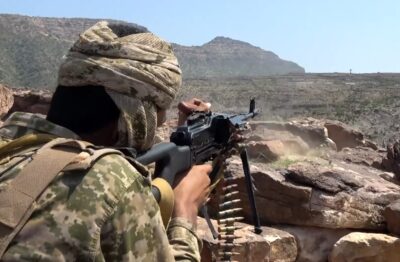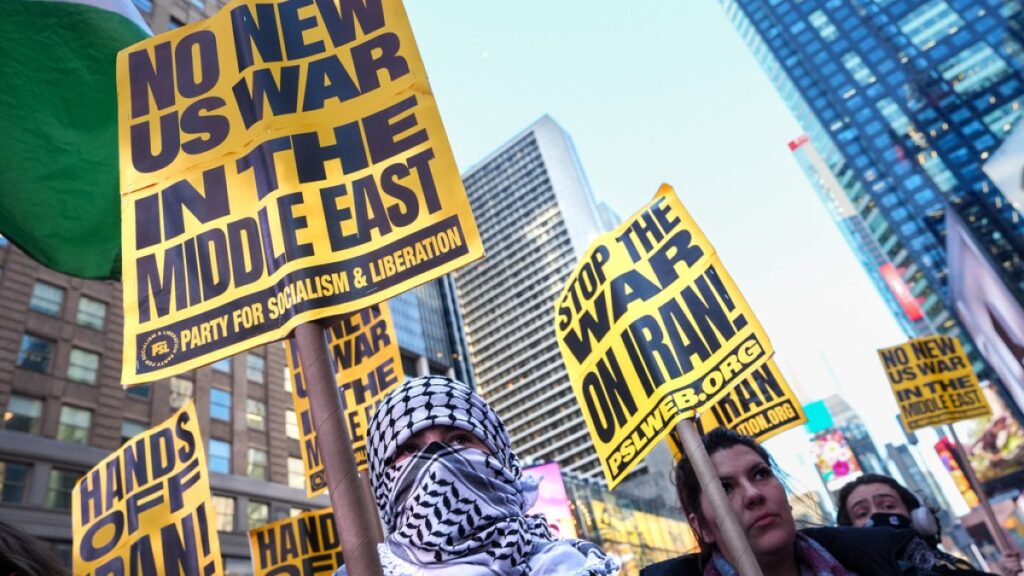
As the conflict between the United States and Iran reaches its 100-day mark, President Donald Trump faces significant challenges in garnering widespread support from the American public. Analysts suggest the growing unpopularity of the war could have profound implications for both the US government’s approach to the conflict and the upcoming elections.
Since the outbreak of tensions, Trump has sought to justify the military actions and sanctions against Iran, painting the conflict as necessary for national security and the protection of American interests. However, public opinion polls reveal a starkly different picture. A large segment of the American population remains skeptical about the war’s objectives, fearing prolonged involvement and questioning the human and economic costs.
The lack of public enthusiasm is not merely a domestic concern but an international one. Allies in Europe and the Middle East have expressed unease over the escalating confrontations, urging diplomatic engagement instead of military escalation. This growing resistance on the global stage further isolates the Trump administration.
Political analysts warn that the war’s unpopularity may have significant political consequences. For Republicans, backing the conflict could alienate moderate voters and energize the opposition ahead of critical midterm elections. Democratic candidates have capitalized on war dissent by advocating for de-escalation and a return to diplomatic talks.
Economic ramifications also play a role in shaping public opinion. The war has led to volatile oil prices and concerns over energy security, impacting everyday Americans through rising fuel costs and inflation. These economic pressures exacerbate the dissatisfaction with the government’s handling of the crisis.
Within the administration, there are reports of discord and debate over the best path forward. Some advisors push for a hardline approach to compel Iran into negotiations, while others caution against further military interventions that could entangle the US in a protracted conflict.
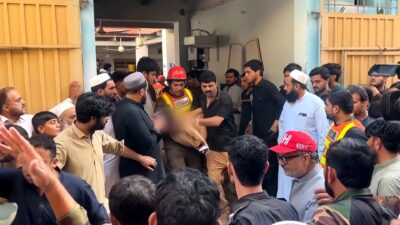
The media’s coverage of casualties and humanitarian crises in the region has further swayed public sentiment, highlighting the human toll of the war. Advocacy groups and peace organizations have amplified calls for an immediate ceasefire and robust diplomatic solutions.
As the 100-day threshold passes, the Trump administration faces a critical juncture. Maintaining support for the war effort will likely require addressing public concerns transparently and considering alternative strategies that prioritize diplomacy and regional stability.
In summary, the war on Iran at 100 days underscores a complex and precarious situation. President Trump’s inability to rally decisive public backing highlights the challenges of conducting a military conflict with limited domestic support. How the administration navigates the growing discontent could shape the trajectory of US foreign policy and the political landscape in the months ahead.