The geopolitical significance of Greenland has risen sharply in recent years due to its strategic location and abundant mineral resources. The United States, under former President Donald Trump, expressed keen interest in acquiring Greenland, a move that caught many by surprise but underscored America’s recognition of the island’s value. This interest has prompted Europe, particularly Denmark and other EU countries, to consider concessions to maintain balance and secure their own interests.
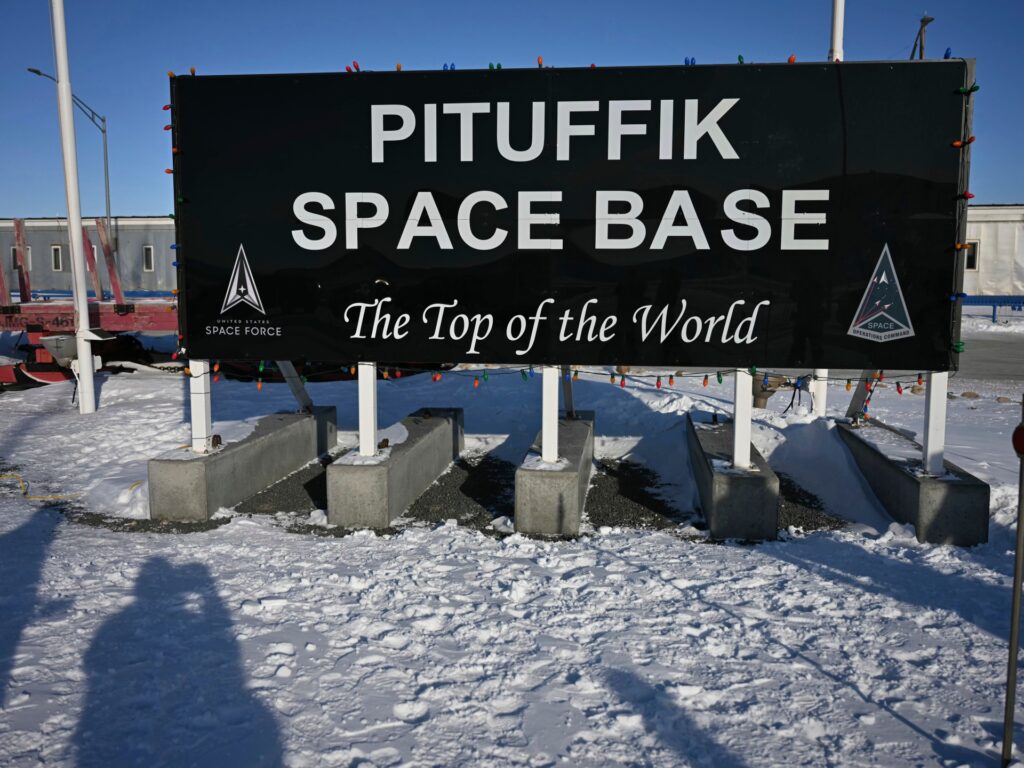
Greenland sits at the crossroads of the Arctic, a region that is becoming increasingly important as ice melts and new shipping routes open. The island’s proximity to North America and Europe makes it a vital asset for military and security strategy. For the US, expanding its security presence on Greenland can serve as a counterbalance to growing Russian and Chinese influence in the Arctic.
Europe, on the other hand, values Greenland primarily due to its resource wealth. The island is rich in rare earth minerals, essential for modern technologies such as smartphones, electric vehicles, and military hardware. By offering a minerals deal to the US, Europe aims to foster economic partnership and share access to these strategic materials.
The relationship between Greenland, Europe, and the US is complex. Denmark has sovereignty over Greenland but grants the island substantial autonomy. Negotiations over military presence and resource rights involve careful diplomacy. Europe’s willingness to allow a greater US military footprint on Greenland could help reassure America that its strategic concerns are taken seriously.
However, the question remains whether these concessions will satisfy Trump or any future US administration. Trump’s assertive approach to foreign policy demanded tangible returns, often focusing on economic benefits and clear strategic advantages. Therefore, European offers must be substantive — not merely symbolic—to meet such expectations.
A minerals deal could involve joint ventures, technology transfers, and favorable trade terms that benefit US industries. Enhanced security cooperation may include expanded military bases, radar installations, and joint Arctic patrols. These measures aim to demonstrate a strong transatlantic partnership grounded in mutual interests.
Moreover, Europe might have to address Trump’s broader concerns about burden-sharing in NATO and defense spending. Concessions around Greenland may be part of a larger package that includes increased European defense commitments and cooperation on global security issues.
From the European perspective, balancing concessions to the US with the interests of Greenland’s indigenous population and environmental preservation is critical. Greenland’s people prioritize sustainable development and self-determination, which must be factored into any agreements.
In conclusion, Greenland’s strategic and economic value makes it a focal point for US-European relations. Europe may need to offer a minerals deal and allow greater US security presence on the island to maintain strong ties and address America’s assertive stance. Whether these steps will fully satiate Trump depends on the scale and depth of concessions and the broader geopolitical context. The evolving Arctic dynamics ensure that Greenland will continue to be a critical arena for international diplomacy and strategic competition.