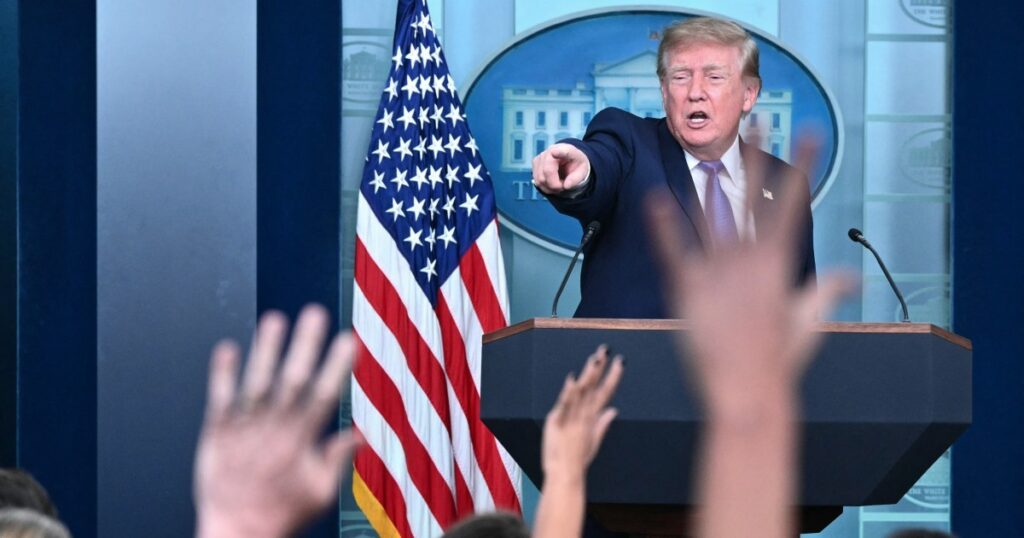
In the ongoing tensions surrounding Iran, US President Donald Trump has stated that an escalation of conflict is ‘unlikely.’ These remarks were made following a meeting with Qatar’s Prime Minister in Washington, DC, aiming to address regional security and diplomatic concerns.
The situation remains volatile as Iran has issued stern demands, calling for the ‘surrender’ of opposing forces. This rhetoric has heightened fears of a potential flare-up in the conflict, but Trump’s statement appears to signal a preference for diplomatic solutions over military action.
During his discussion with the Qatari leader, Trump emphasized the importance of stability in the Middle East and indicated that the United States is focused on preventing further hostilities. Qatar, playing a key mediating role in the region, supports efforts for dialogue and peaceful resolution.
Iran’s demands, however, reflect deep-seated tensions that have been escalating over months, with disagreements about nuclear programs, regional interference, and sanctions.
Experts suggest that while military confrontation remains a possibility, international pressure and diplomatic engagement are crucial in deterring escalation.
The US administration’s viewpoint, as expressed by President Trump, reflects a balancing act between maintaining pressure on Iran and avoiding outright war, which could have catastrophic consequences.
Observers continue to monitor developments closely, as any missteps or misunderstandings could rapidly change the situation on the ground.
With global powers involved and regional alliances shifting, the path forward is uncertain but hinges heavily on strategic communication and negotiation.
As the world watches, the hope remains that cooler heads will prevail, preventing any armed conflict and fostering a framework for lasting peace in the troubled region.