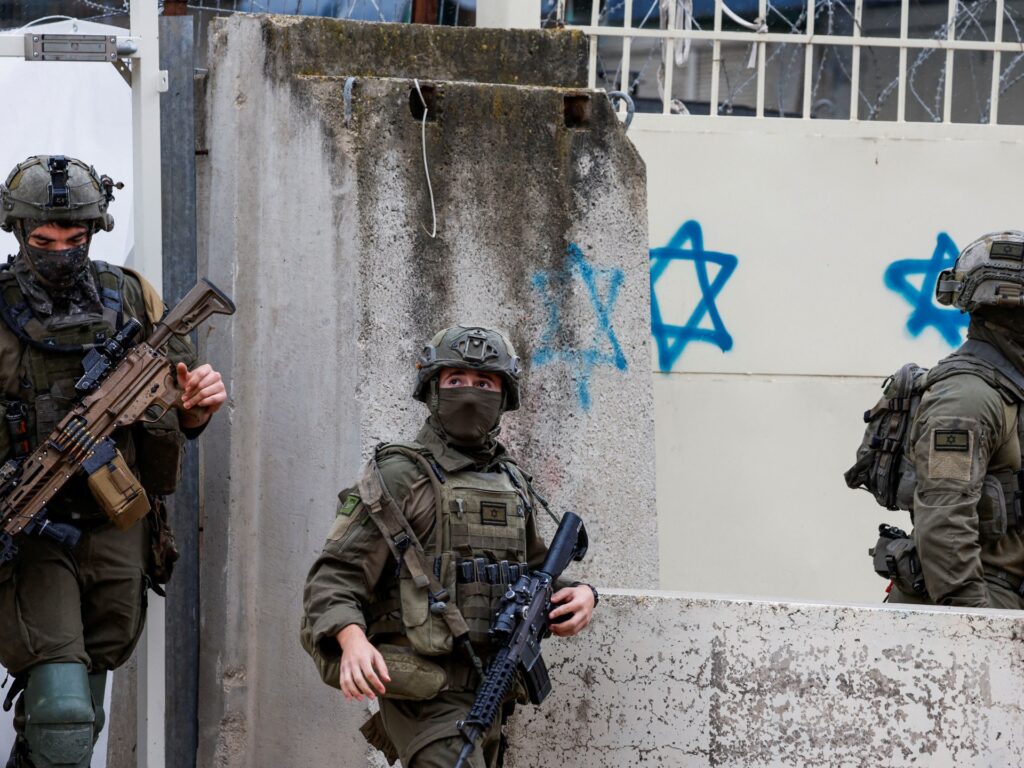
In a tragic incident in the occupied West Bank, Israeli forces fatally shot a 14-year-old Palestinian boy. The event occurred in the village of Burqa, where Israeli soldiers reportedly opened fire to prevent Palestinians from throwing stones at vehicles.
This shooting has reignited tensions in the region, where confrontations between Israeli forces and Palestinians frequently occur. The military stated that the use of live ammunition was a response to stone-throwing, a common form of protest or resistance by Palestinians against Israeli military presence and settler activities.
The occupied West Bank has long been a flashpoint of conflict. Incidents like this contribute to the cycle of violence and highlight the complexities of the Israeli-Palestinian conflict. The death of a young teenager has sparked widespread condemnation from human rights groups and Palestinian officials, who call for accountability and an end to military actions against minors.
Residents of Burqa and surrounding areas expressed deep sorrow and anger over the killing, emphasizing the impact on families and communities. Reports indicate increased military patrols and heightened security measures following the incident, which could lead to further escalations.
The international community continues to monitor the situation closely, urging restraint from both sides and emphasizing the need for renewed peace efforts. The incident underscores the ongoing challenges in achieving a lasting resolution in the West Bank and addressing the underlying issues fueling the conflict.
It is crucial to consider the humanitarian perspective, particularly concerning children and youth in conflict zones. Frequent exposure to violence and instability has profound psychological and physical effects on young Palestinians growing up under occupation.
This shooting incident serves as a grim reminder of the urgent need for dialogue, protection of human rights, and measures to safeguard civilians in the midst of conflict. As tensions persist, the demand for peaceful solutions and respect for life remains paramount to breaking the cycle of violence in the region.