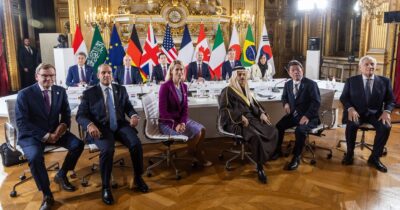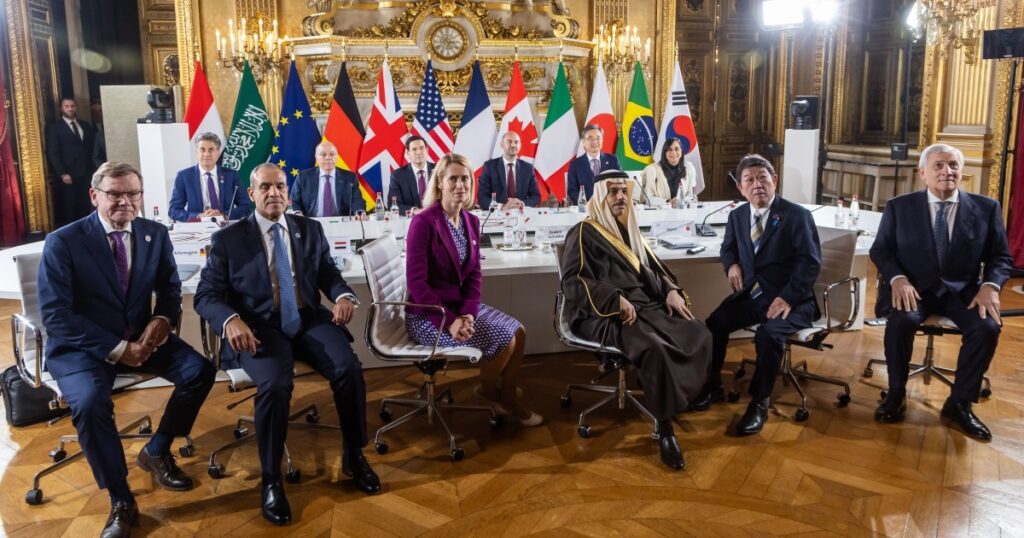
Amid the escalating conflict between Russia and Ukraine, European diplomats are actively pressing for the involvement of US Senator Marco Rubio in the upcoming Russia-Ukraine peace negotiations. This development comes at a crucial time as G7 foreign ministers convene in Paris to discuss strategies and preparations ahead of the US-mediated talks scheduled to take place in Abu Dhabi.
The Russia-Ukraine conflict has drawn global attention and concern due to its significant geopolitical implications and humanitarian crisis. The international community, particularly Western countries, have been seeking effective diplomatic channels to push for a ceasefire and a permanent resolution to the hostilities.
Senator Marco Rubio, known for his foreign policy experience and strong stance on Russia, has been viewed by European diplomats as a potential key player in facilitating dialogue and negotiations. His expertise and influence in US politics could provide a strategic advantage in bridging gaps between conflicting parties.
The G7 foreign ministers’ meeting in Paris serves as a platform for coordinating international efforts to manage the conflict and support Ukraine. Discussions during this meeting revolve around sanction measures on Russia, humanitarian aid for Ukraine, and the diplomatic approach for the upcoming talks in Abu Dhabi.
The US has taken a leading role in mediating the peace talks, scheduling a significant discussion session in Abu Dhabi, a neutral venue pivotal in diplomatic negotiations. However, there is increased pressure from European nations for a more prominent US legislative figure, such as Rubio, to participate directly in the dialogue process.
Diplomats believe Rubio’s involvement might enhance the negotiation dynamics, given his engagement with Eastern European affairs and his firm approach to countering Russian aggression. His presence is expected to signal a strong commitment from the US legislative branch, thereby potentially increasing the pressure on Russia to negotiate seriously.
The role of the G7 foreign ministers is particularly significant as it encompasses major global powers like the US, UK, Germany, France, Italy, Canada, and Japan. Their unified stance and coordinated actions can substantially influence the peace process.
While details on the exact format and agenda of the Abu Dhabi talks remain under wraps, the international community remains hopeful for substantive progress towards de-escalation. The talks aim to address key issues including territorial disputes, ceasefire arrangements, political frameworks, and mechanisms for monitoring compliance.
In addition to diplomatic efforts, humanitarian agencies are scaling their operations to manage the fallout from ongoing conflict, emphasizing the urgency for a peaceful resolution.
This development highlights the intricate blend of diplomacy and political strategy at play in one of the most challenging conflicts faced by Europe and the international community in recent decades. The inclusion of influential political figures like Senator Rubio may mark a pivotal turn in these critical negotiations.
As the situation evolves, the world watches closely, hopeful that sustained diplomatic engagement through forums like the G7 and the upcoming Abu Dhabi talks will pave the way for a stable and lasting peace in the region.