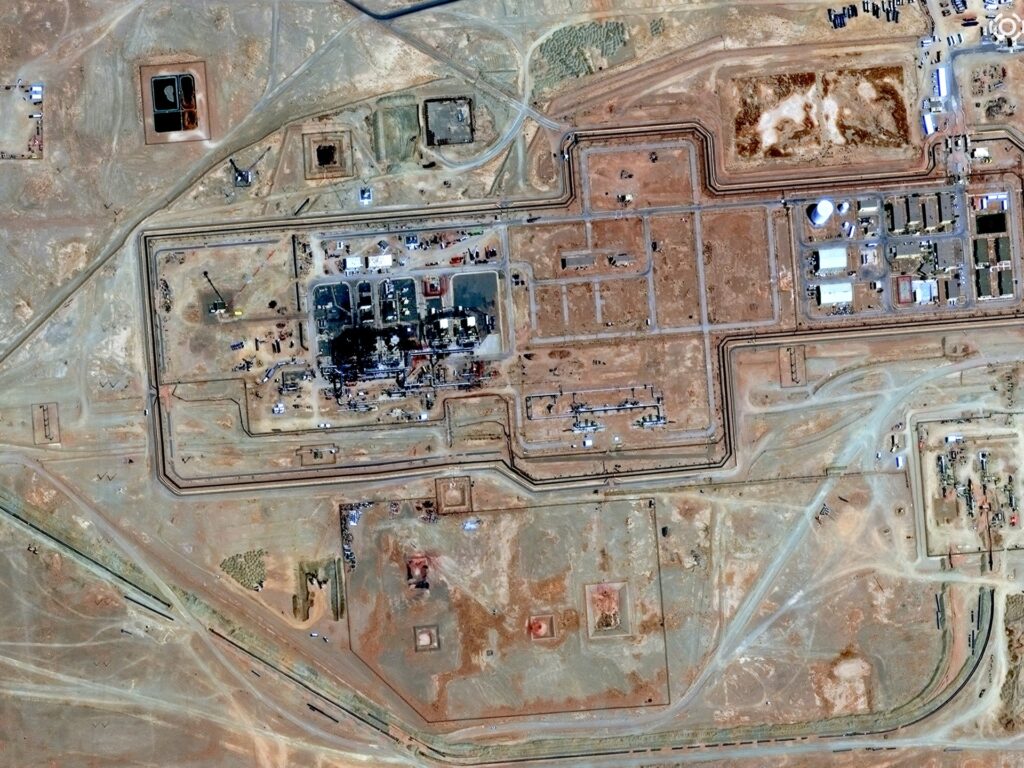
Saudi Arabia has reported a new attack on its vital East-West oil pipeline, which runs across the desert from the oil-rich eastern province to the coastal areas in the west. This pipeline is a critical infrastructure asset, as it provides an essential route for transporting oil that bypasses the strategically sensitive Strait of Hormuz. The Strait of Hormuz is a narrow passage between the Persian Gulf and the Gulf of Oman, through which a significant portion of the world’s oil supply is transported. Due to geopolitical tensions in the region, the East-West pipeline offers a safer and more secure alternative for Saudi Arabia to export its oil without relying solely on maritime routes vulnerable to conflict or blockades.
The attack’s specifics have not been fully disclosed, but it underscores the ongoing security challenges faced by Saudi Arabia in protecting key energy infrastructure from hostile actions, which may include sabotage or militant attacks.
The East-West pipeline spans hundreds of kilometers and plays a crucial role in maintaining the steady flow of oil to domestic refineries and international markets. Disruptions to this pipeline can have significant implications for global oil prices and energy security, given Saudi Arabia’s position as one of the world’s leading oil producers and exporters.
This latest incident comes amidst a backdrop of regional instability and heightened tensions involving various parties in the Middle East. Saudi authorities have reiterated their commitment to securing critical energy infrastructure and have likely increased security measures around the pipeline following the attack.
The global energy market is closely watching developments related to this pipeline as any sustained disruption could trigger supply concerns. Experts suggest that safeguarding such infrastructure is vital not only for Saudi Arabia’s economy but also for global energy stability.
In summary, the new attack on Saudi Arabia’s East-West oil pipeline highlights the vulnerabilities of key energy routes in a complex geopolitical environment and emphasizes the importance of continued vigilance and protective measures to ensure uninterrupted oil exports.