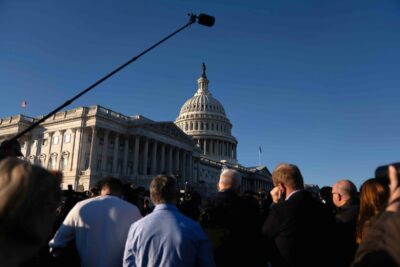
The US Supreme Court has cleared the way for the construction of the border wall in Big Bend National Park despite ongoing legal challenges. The lawsuit aimed to block the border wall project by challenging waivers that bypass environmental and land protections typically enforced in national parks.
Big Bend National Park, located in Texas, is a key area along the US-Mexico border and has been a focal point in the nation’s border security efforts. Environmental groups and several states filed lawsuits arguing that the waivers allowing the border wall construction circumvented important environmental laws, potentially causing significant harm to the park’s ecosystem and natural beauty.
These waivers, issued by the federal government, exempt the border wall project from compliance with several environmental regulations that usually apply to public lands. Opponents contend that such waivers undermine the protections designed to preserve national parks and threaten wildlife habitats.
The Supreme Court ruling, however, allows construction to proceed while legal battles continue in lower courts. This decision effectively means the border wall can be built in the park without immediate restrictions stemming from environmental laws.
Supporters of the wall argue that it is a crucial measure for national security and border control, preventing illegal immigration and drug trafficking. They contend that the waivers are necessary to expedite the construction of the barrier in sensitive and hard-to-access areas.
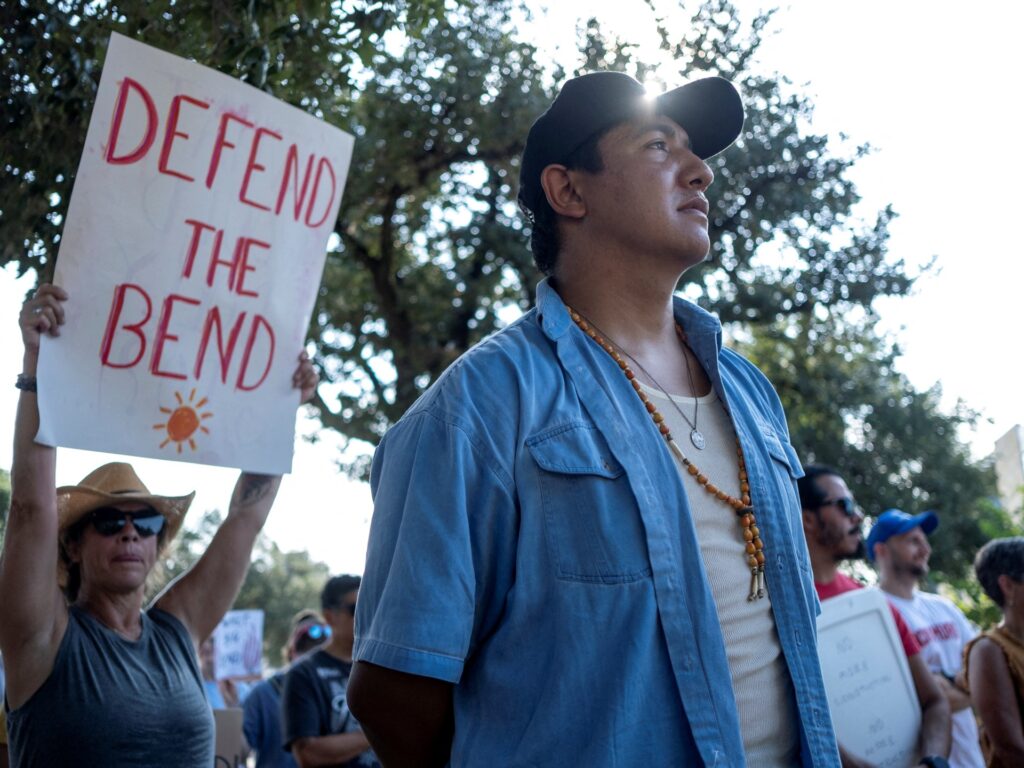
Opponents remain concerned about the long-term environmental impact of the wall, particularly its effect on the natural landscape, wildlife migration patterns, and the overall integrity of the national park. Many activists and local communities have voiced opposition to the project, emphasizing the need to protect public lands for future generations.
The Supreme Court’s decision highlights the ongoing tension between national security priorities and environmental preservation. It also underscores the legal complexities involved when federal actions override established protections.
The case is expected to continue being litigated in lower courts, where environmental groups hope to eventually halt or modify the border wall plans. However, for now, construction within Big Bend National Park will move forward.
This ruling is part of a broader series of legal and political battles over border wall construction across various states and protected lands. As the situation evolves, the balance between security, environmental integrity, and legal frameworks remains a contentious and unresolved issue in the United States.