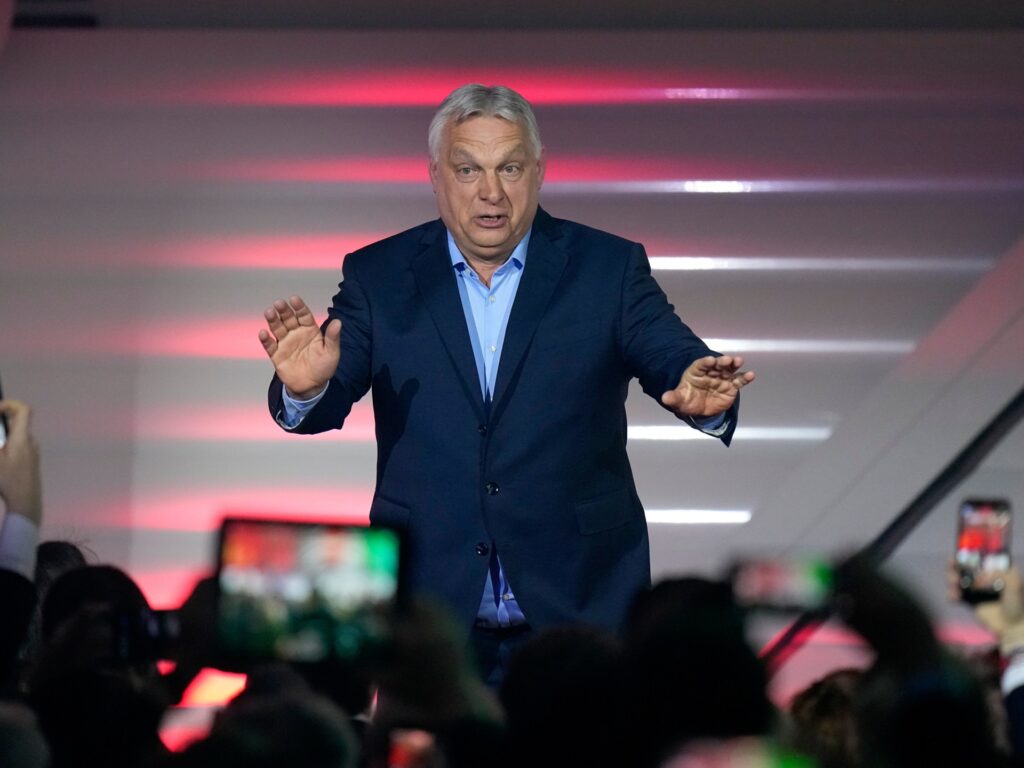
In a significant development in Hungarian politics and law enforcement, Aron Orban, brother of former Prime Minister Viktor Orban, has reportedly been detained by Hungarian police. This detainment follows a series of raids conducted by the authorities on properties connected to Aron’s business associates.
According to sources, the raid was part of an ongoing investigation into financial irregularities and suspected illegal activities linked to the business network surrounding Aron Orban. The details of the operation suggest a coordinated effort by law enforcement agencies to scrutinize the financial dealings of individuals close to the Orban family.
Aron Orban’s detention marks a notable moment given the high-profile nature of the individuals involved. Former Prime Minister Viktor Orban, who has been a dominant figure in Hungarian politics for years, has not been directly implicated in the police actions but the developments have sparked considerable media attention and public discourse.
Authorities have not yet released detailed statements regarding the nature of the charges or the evidence that led to Aron’s detention. However, the raids reportedly extended to multiple properties, indicating a wide-ranging investigation.
Political analysts suggest that this incident could have broader implications for Hungarian political dynamics, especially considering the Orban family’s influence in the country. It raises questions about the extent to which business and politics intersect within Hungary and the potential for legal accountability of prominent figures.
The Hungarian government has so far remained tight-lipped about the situation, with official responses limited to acknowledging the ongoing investigation without elaborating on specific details.
Public reactions have been mixed, with supporters of the former prime minister questioning the motivations behind the police actions, while critics view the detainment as a necessary step towards tackling potential corruption.
This event highlights a continued trend in Central Europe where authorities are increasingly willing to investigate financial and legal conduct of influential figures, signaling a possible shift towards enhanced transparency and rule of law enforcement.
The full legal proceedings and any forthcoming charges against Aron Orban will be closely watched as they could set important precedents for political accountability in Hungary.
As the investigation unfolds, more information is expected to emerge, providing clearer insights into the scope and scale of the alleged activities under scrutiny. This situation remains a developing story with significant implications for the Orban family and the broader political landscape in Hungary.