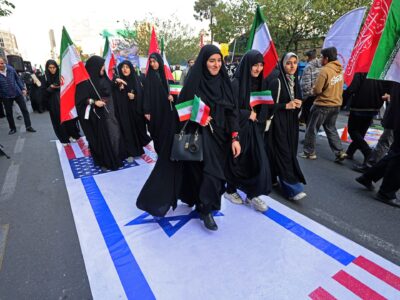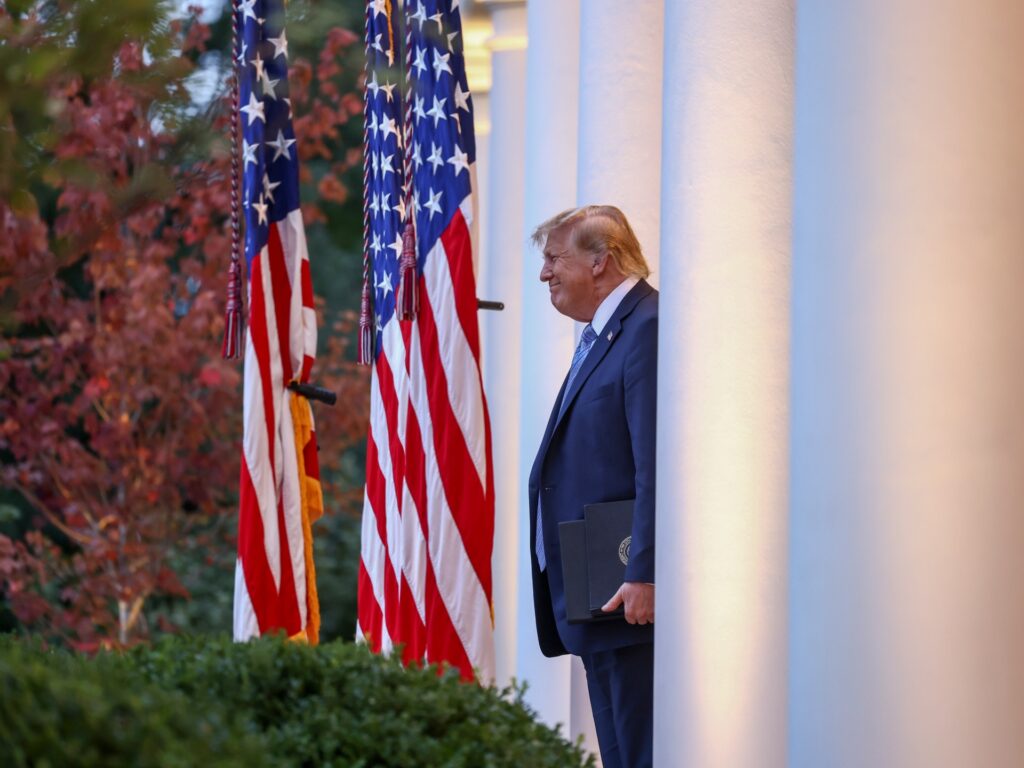
In a significant development in Middle Eastern diplomacy, the Prime Minister of Qatar is scheduled to meet with former U.S. President Donald Trump as part of ongoing efforts to address the complex issues surrounding the US-Iran relationship. This meeting comes at a time of heightened tension and delicate negotiations between the United States and Iran.
Recently, Iran, through mediators from Qatar, has put forward a carefully crafted two-day proposal aimed at fostering dialogue and potentially easing the longstanding tensions. This proposal is currently under examination by Washington, indicating a possible willingness to engage in talks or reconsider strategies related to Iran.
Qatar has played the role of a mediator in the troubled Gulf region, often bridging gaps between conflicting parties to promote peace and stability. The involvement of the Qatari Prime Minister in talks with the US signals an intensification of diplomatic activity to find a resolution to the strained US-Iran relations.
The US-Iran standoff has influenced regional security dynamics, impacting global markets and international relations. Both nations have diverging interests, particularly around Iran’s nuclear program, sanctions, and regional influence. The dialogue mediated by Qatar could pave the way for potential breakthroughs or at least reduce the risks of escalation.
The two-day proposal from Iran, facilitated by Qatar, reportedly includes terms that aim to address critical concerns of the US administration, signaling Iran’s openness to negotiation despite past difficulties. However, details of the proposal have been kept confidential at this stage.
Washington’s examination of the proposal indicates a cautious but measured approach to diplomacy. The US government is likely weighing the benefits of engagement against the risks of conceding on certain demands.
This meeting and proposal reflect a rare moment of diplomatic engagement in an area that has seen years of hostility and stalled talks. It underscores the importance of regional actors like Qatar in fostering dialogue and the ongoing search for peaceful solutions to complex geopolitical disputes.
Observers worldwide are keenly watching these developments, as the outcomes could affect not only regional stability but also the broader international order, including alliances and economic ties.
In conclusion, the upcoming meeting between Qatar’s Prime Minister and Donald Trump, alongside the Iranian two-day proposal under review by the US, marks a hopeful yet cautious chapter in US-Iran negotiations. The world awaits further updates that could signal a new direction in one of the most challenging diplomatic arenas today.