Iran has intensified its domestic security controls in response to escalating threats of US military strikes. The Iranian authorities are adopting stringent measures to address what they perceive as security threats, including alleged espionage activities and potential unrest among the youth population.
The recent crackdowns highlight Tehran’s growing concerns over internal vulnerabilities in the face of external military pressures. Security forces have increased surveillance, heightened intelligence operations, and conducted widespread arrests targeting spies and dissidents.
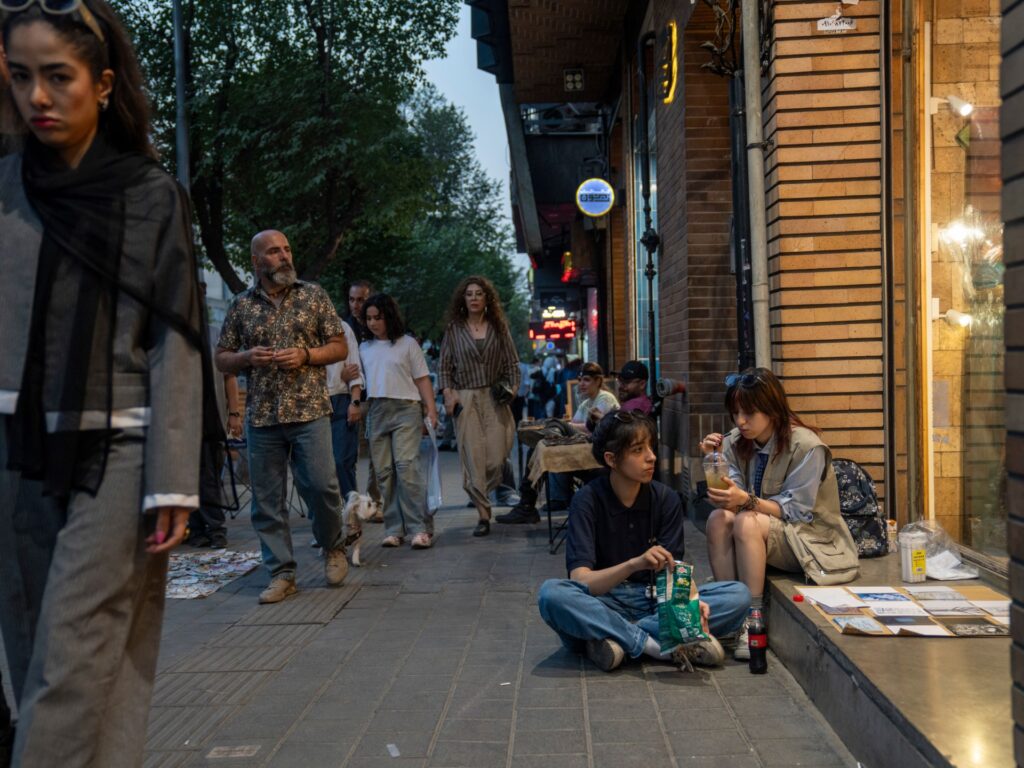
Young people, particularly those gathering in public spaces, have come under closer scrutiny as part of the broadened security measures. Authorities are wary of any signs of protests or dissent that could be exploited amidst the tense geopolitical environment.
Officials claim that the crackdown is necessary to safeguard national security and maintain stability, especially given Iran’s complex relations with the United States. The US government has issued explicit warnings about potential military action in the region, escalating fears of conflict.
The move also comes amid international concerns regarding Iran’s nuclear program. Heightened security within Iran reflects the government’s efforts to fortify against perceived threats from foreign intelligence and military operations.
Human rights organizations have expressed alarm over the increasing reports of arbitrary detentions and suppression of civil liberties. They warn that the intensified security clampdown risks deepening societal tensions and stifling political freedoms.
Experts note that Iran’s hardening stance may be a strategic attempt to project strength internally and deter external aggression. However, this strategy also exposes underlying domestic challenges, including youth dissatisfaction and potential fractures within the security apparatus.
As diplomatic efforts continue at various levels, the evolving situation demands careful monitoring, highlighting the delicate balance between security concerns and human rights in a volatile region.
The international community remains watchful, urging restraint and advocating for dialogue to prevent further escalation and promote peaceful resolution of conflicts involving Iran. The future trajectory of Iran’s internal security policies and their implications for regional stability remain critical areas of focus for analysts worldwide.