Poland is in mourning following a deadly attack that claimed the lives of six individuals, prompting authorities to initiate a terrorism probe. Government officials have revealed that the suspect involved in the attack is believed to have been influenced by far-right ideology, raising concerns over the growing threat of extremist violence within the country.
The attack, which shocked the nation, has led to an outpouring of grief and solidarity among Polish citizens. The victims, whose identities are being withheld at the family’s request, represent a tragic loss that underscores the urgent need to address extremist ideologies.
Authorities responded swiftly, launching a comprehensive terrorism investigation to understand the motivations behind the attack and to prevent any further incidents. Early findings suggest that the suspect may have been radicalized by far-right propaganda, a factor that officials believe played a significant role in the execution of the attack.
This development has reignited debates about the rise of far-right movements in Poland and Europe at large, highlighting the dangers posed by hate-driven extremism. Experts emphasize the importance of monitoring and countering extremist narratives online and within communities to safeguard public safety.
The government has pledged to strengthen security measures and enhance intelligence efforts aimed at identifying and neutralizing potential threats. Collaborative efforts with international security agencies are also being pursued to combat the transnational nature of extremist networks.
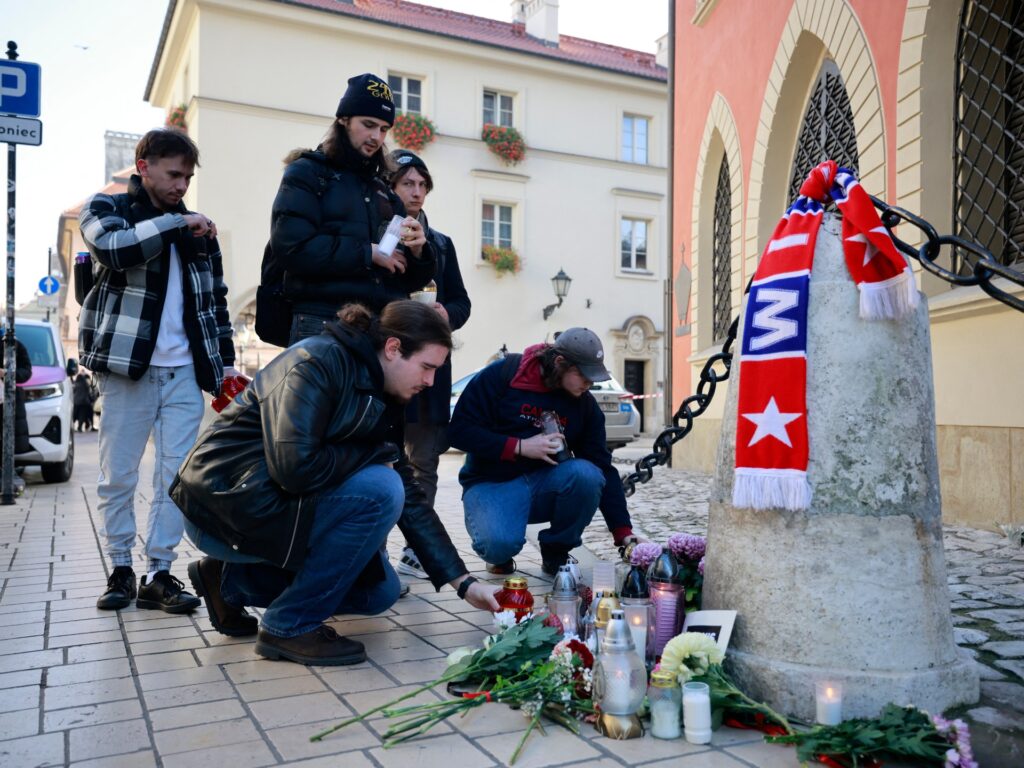
Citizens and leaders alike are calling for unity and resilience in the face of this tragedy. Vigils and memorials have been organized to honor the victims, offering a space for collective mourning and reflection on the impact of terrorism.
As the investigation continues, authorities are dedicated to bringing all those responsible to justice and ensuring that such acts of violence do not reoccur. The incident serves as a stark reminder of the persistent challenge posed by terrorism and the importance of vigilance, solidarity, and proactive measures to protect communities.
The Polish government’s response and the community’s mourning highlight both the immediate human cost of such attacks and the broader societal imperative to confront and eradicate extremist violence. The hope remains that through concerted efforts, Poland can prevent future tragedies and foster a safer, more inclusive society for all its citizens.