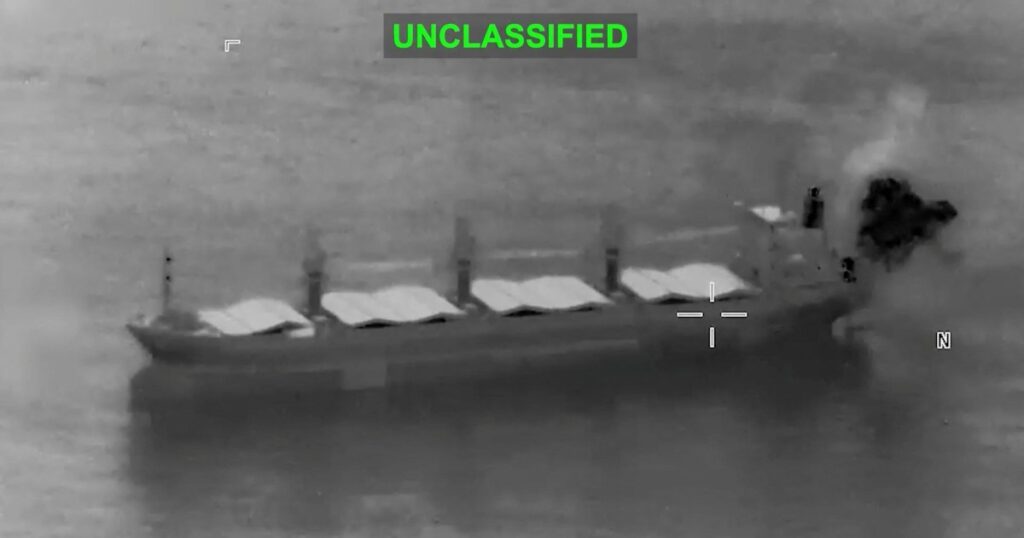
Tensions in the Middle East escalated recently as an attack originating from Yemen targeted Saudi Arabia, damaging the iconic Saudi Aramco tower. The strike underscores the ongoing conflict and complex geopolitical dynamics involving Iran, Yemen, and Saudi Arabia. Iranian state media reported a series of blasts not only at the Aramco facility in Riyadh but also on Qeshm Island in the strategic Strait of Hormuz, as well as in the southern Iranian cities of Jask, Sirik, and Bandar Abbas.
The attack on the Saudi Aramco tower highlights the increased capabilities and boldness of Houthi forces in Yemen, who are believed to be backed by Iran. These strikes came amid heightened tensions in the region, where control over vital shipping lanes and strategic positions, like the Strait of Hormuz, plays a critical role in international energy supplies.
Saudi Arabia’s energy infrastructure has long been a target in the regional conflict, with past incidents causing significant disruptions and raising global oil prices. The damage sustained by the Aramco tower marks yet another instance of the vulnerability of important energy sites and the potential economic consequences for both Saudi Arabia and the global market.
Qeshm Island’s reported blasts signify that the Strait of Hormuz, a crucial chokepoint for about 20% of the world’s petroleum traffic, remains highly volatile. The cities of Jask, Sirik, and Bandar Abbas also witnessed explosions, further demonstrating the breadth of the campaign and the ability to strike at multiple locations simultaneously.
This series of attacks is likely to prompt a stern response from Saudi Arabia and its allies, potentially escalating military and diplomatic measures against the Houthi forces and Iran. The conflict has implications beyond the immediate region, affecting global security, energy markets, and international diplomatic relations.
The Iranian reports emphasize the ongoing struggle for control and influence in this strategically important corridor. As Yemen’s conflict continues, with the Houthis seeking to assert power and Iran pushing its regional influence, Saudi Arabia remains on high alert to protect its critical infrastructure and maintain stability in its own territories.
Global observers warn that any further escalation could lead to broader confrontations and instability in the Middle East, pointing to the fragile balance that currently exists and the potential for widespread repercussions.
In summary, the recent attack damaging Saudi Aramco’s tower, combined with blasts in key Iranian locations, reveals the intensifying conflict in the region. It highlights the intertwined nature of local insurgencies and international geopolitical struggles, with energy security and regional stability hanging in the balance as tensions escalate further.