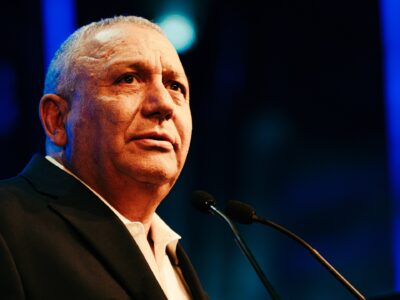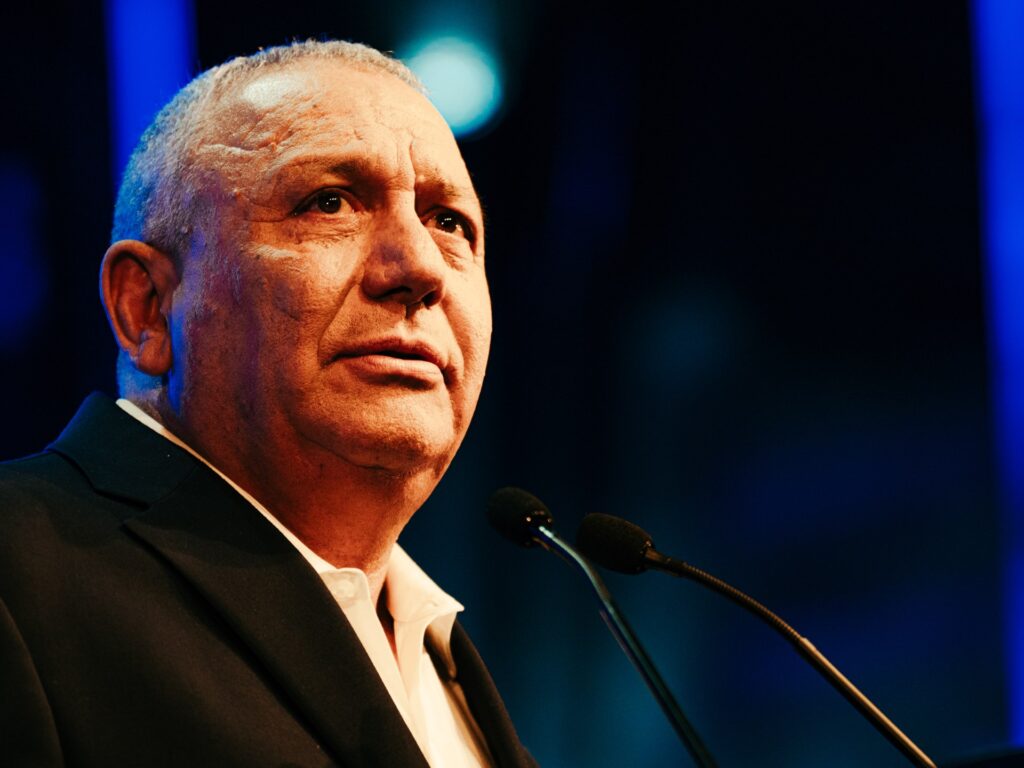
Gadi Eisenkot stands as a compelling alternative to the towering figure of Benjamin Netanyahu in Israeli politics. Known for his unpolished and understated demeanor, Eisenkot offers a stark contrast to the often polarizing and charismatic style of Netanyahu. His approach represents a different image and perhaps a different trajectory for Israel on the world stage.
Eisenkot’s background as a former Chief of Staff of the Israel Defense Forces gives him a deep understanding of security concerns, but his leadership style is notably less confrontational and more pragmatic compared to Netanyahu’s. This could signal a shift toward more measured and diplomatic policies in dealing with Israel’s complex regional relations.
His understated nature, while possibly perceived as a lack of political flair, could also be his strength, presenting a more authentic and less ideologically driven leadership. This may appeal to both domestic and international audiences weary of the constant rhetoric and political drama that have characterized Netanyahu’s tenure.
However, Eisenkot also faces the challenge of stepping out of Netanyahu’s shadow without perpetuating his legacy. Critics argue that despite the differences in style, Eisenkot’s policies and strategic priorities might still align closely with Netanyahu’s, especially on security and settlement issues.
The potential for Eisenkot to reshape Israel’s image globally depends on whether he can leverage his military experience with a vision for peace and stability. His leadership will be tested in balancing the demands of security with the growing calls for diplomacy and coexistence.
If Eisenkot can successfully navigate this balance, he may offer the world a different Israel — one that moves beyond the entrenched patterns of Netanyahu’s era. But the risk remains that without significant policy shifts, Eisenkot might merely continue the status quo under a new face.
Ultimately, Gadi Eisenkot embodies both hope and caution. His rise reflects a desire for change in Israeli politics, yet it also reminds observers that true transformation requires more than new personalities; it demands new directions and bold initiatives.
As Israel stands at a crossroads, the world watches to see if Eisenkot can deliver on the promise of a new chapter, or if the echoes of Netanyahu’s legacy will persist in shaping the country’s future.