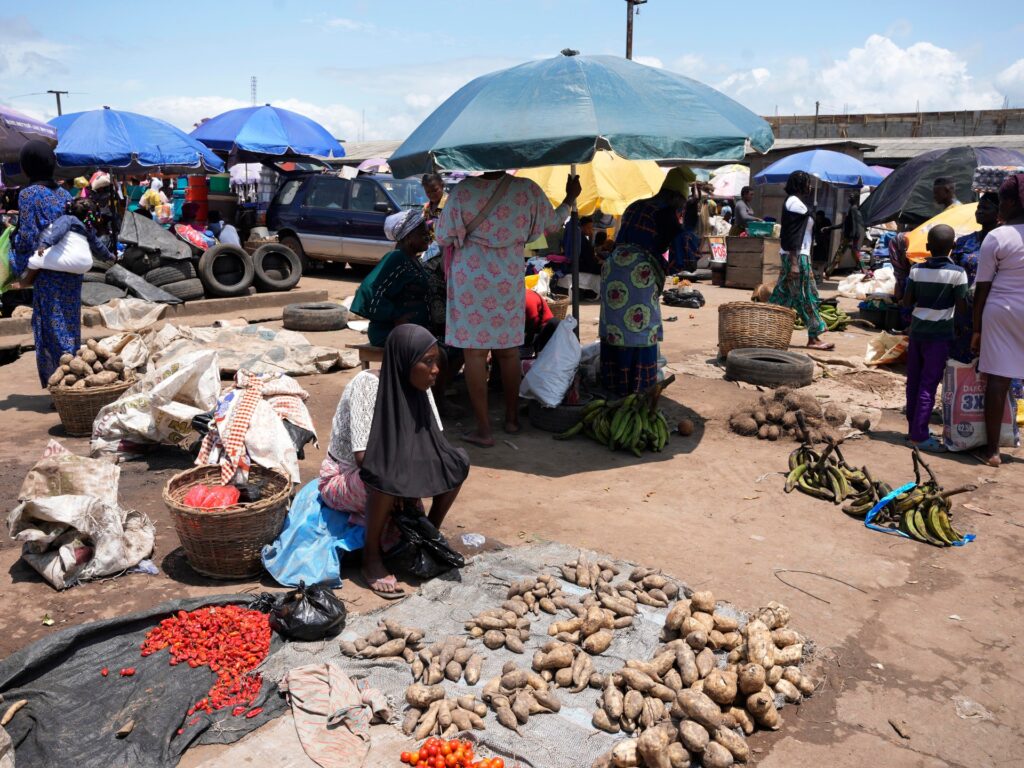
In Lagos, Nigeria’s bustling economic and cultural hub, filmmakers and journalists are increasingly facing extortion threats that are severely impacting their ability to document and tell the city’s stories. This emerging challenge underscores the growing risks that media professionals confront daily while trying to capture life and events in one of Africa’s largest metropolises.
Lagos, known for its vibrant culture, diverse population, and dynamic street life, has long been a rich source of stories for filmmakers and journalists. However, recent reports indicate that individuals and groups operating within the city are targeting those with cameras, demanding money in exchange for safe passage or permission to film. These threats are reportedly made on the streets, where many creatives work to capture authentic scenes.
The extortionists often instruct filmmakers not to bring their cameras or face consequences, creating a climate of fear and intimidation. This harassment not only threatens the safety of media workers but also imposes financial burdens that can be prohibitive, especially for independent filmmakers and journalists working with limited resources.
This troubling trend has led to a significant drop in street-level coverage and has forced content creators to reconsider how and where they work. Some have resorted to sending footage via intermediaries or using less conspicuous recording equipment, though these measures often compromise the quality and immediacy of their work.
Local media unions and professional bodies have condemned these acts, calling for greater security and law enforcement intervention to protect media practitioners. They emphasize that protecting freedom of expression and the right to report from the streets is essential for transparency, accountability, and the vibrancy of Lagos’ media scene.
Experts warn that if these extortion practices continue unchecked, they could create a chilling effect on the media, depriving Lagos and the wider Nigerian society of vital narratives and public awareness. The city’s image as a creative hub depends on preserving the safety and freedom of its storytellers.
In response, some filmmakers and journalists are organizing workshops and alliances to share security tips and advocate for policy changes to ensure safer working environments. They aim to foster solidarity and resilience in the face of these challenges.
Ultimately, the struggle against camera extortion in Lagos highlights a broader issue of insecurity and lawlessness affecting many urban centers in Nigeria. Addressing this problem will require coordinated efforts between government agencies, civil society, and the media industry itself.
As the city grapples with these difficulties, the determination of its filmmakers and journalists to continue telling Lagos’ stories remains strong. Yet, without effective interventions, the city’s rich tapestry of life risks being partially obscured by fear and oppression, undermining both the local media industry and the public’s right to be informed.