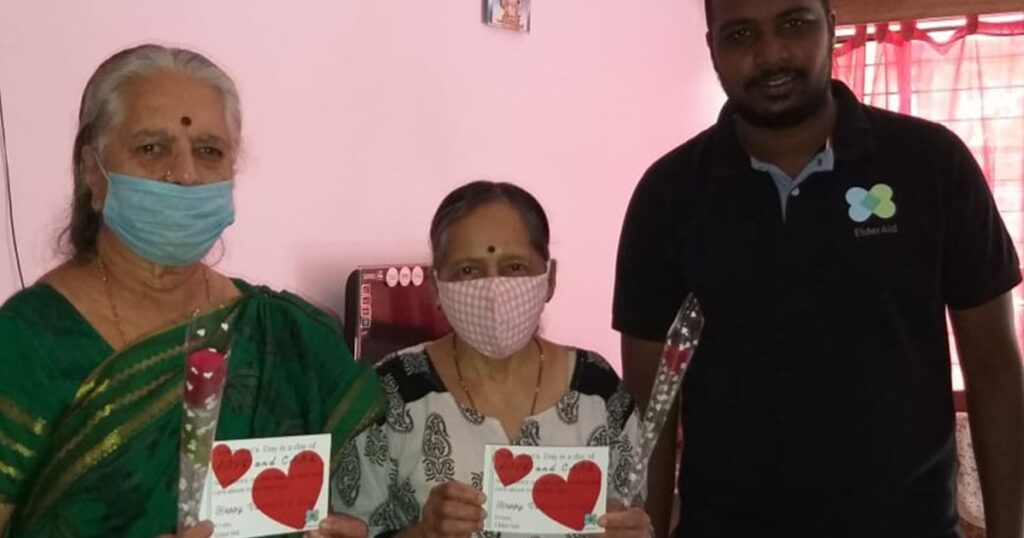
In India, a novel business trend is emerging that caters to the emotional and caregiving needs of the elderly population. Dubbed “Rent-a-Grandchild,” these services offer companionship and caretaking support to seniors who may lack familial support or companionship. This concept, once uncommon, is now seeing a small but steady rise as more firms recognize the growing demand among Indian seniors and their families.
Traditionally, Indian families have played a crucial role in elder care, with multigenerational households often providing natural support systems. However, urbanization, migration, and changing social dynamics have fragmented extended families, leaving some seniors without consistent family care. This gap has created an opportunity for these new businesses, which effectively ‘rent out’ young companions to offer friendship, emotional support, and practical help to elderly people.
These companies employ youngsters who spend time with seniors, engaging them in conversation, accompanying them on walks or outings, assisting with daily activities, and even helping manage medications. The goal is to recreate the intergenerational bonding that was once a staple in Indian households, thereby promoting seniors’ mental, emotional, and physical well-being.
The business models vary, with some firms offering hourly rentals while others provide longer-term companionship packages. The clients include elderly individuals living alone, working families unable to dedicate sufficient time for elder care, or even senior care institutions seeking personalized attention for their residents.
Experts suggest that the Rent-a-Grandchild trend addresses important societal challenges such as loneliness, depression, and neglect among the aged. With India’s elderly population projected to grow significantly over the next decades, this new service sector could expand further, potentially shaping how elder care is approached in contemporary urban India.
While some question the sustainability and emotional authenticity of transactions-based companionship, proponents argue that formalizing such services can provide reliable support and fill critical gaps in elder care infrastructure. The concept also encourages social inclusion and active engagement for seniors, which are vital for healthy aging.
This emerging sector highlights a shifting cultural landscape where traditional norms are being supplemented by innovative, market-based solutions to meet evolving social needs. As the Rent-a-Grandchild idea gains traction, it prompts important conversations about family, care, and community in a rapidly changing India.