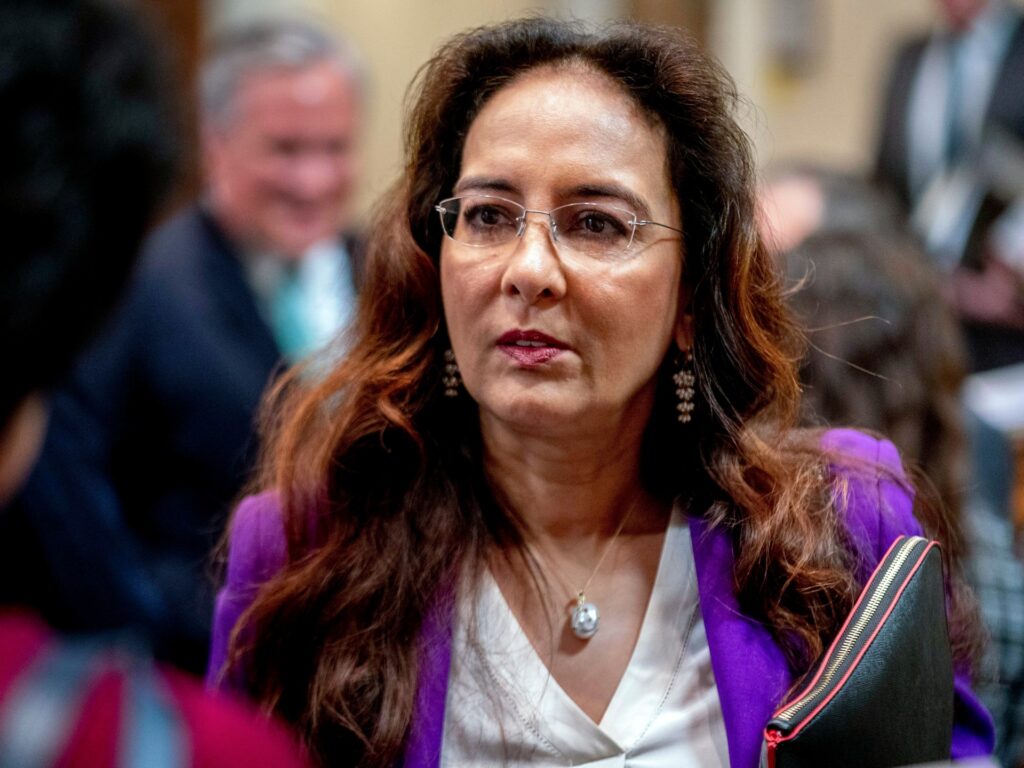
In a significant development within the US political and legal landscape, a top civil rights official has tendered their resignation. This resignation coincides with the advent of a new Democratic-controlled Congress, which is poised to launch comprehensive investigations into controversial issues involving the previous Trump administration’s Department of Justice and Immigration and Customs Enforcement (ICE).
The departing official’s exit comes at a turbulent time marked by heightened scrutiny over the Justice Department’s handling of sensitive files related to Jeffrey Epstein, the financier convicted of sex offenses, as well as investigations into the conduct of ICE that have raised serious human rights concerns, including allegations of killings.
The new Democratic majority in Congress has expressed strong intent to probe these matters thoroughly. The Epstein files controversy centers on accusations that the Trump Justice Department may have mishandled or obscured critical evidence and information related to Epstein’s case, raising questions about transparency and justice.
Simultaneously, ICE has been under fire for its enforcement tactics, with reports alleging excessive use of force and unjustified deaths during immigration operations. These issues have fueled calls for greater accountability and reform within the agency.
The resignation of this senior official is seen by many as a sign of the growing pressure and political shifts within the federal government as new leadership steps in to address unresolved social justice and civil rights concerns.
Political analysts suggest that the forthcoming investigations could lead to significant policy changes and reforms in both the Justice Department and ICE. The investigations aim to not only uncover any malfeasance or misconduct but also to ensure greater protections for civil rights moving forward.
Advocates for justice and civil rights have welcomed the resigning official’s decision to step down, viewing it as an opportunity for fresh leadership and a renewed commitment to upholding the principles of fairness and transparency.
As Congress prepares to begin its inquiries, public attention remains focused on the implications of these probes for future governance, accountability, and the protection of human rights in the United States. The outcomes of these investigations could set important precedents for how federal agencies handle sensitive legal matters and civil rights cases in the years to come.