In 2015, nearly 200 countries adopted the Paris Agreement, a landmark global pact aiming to limit the rise in global temperatures to well below 2°C, preferably to 1.5°C above pre-industrial levels. The overarching goal was bold and clear: mitigate the devastating consequences of climate change by drastically reducing greenhouse gas emissions worldwide. Ten years on, it is crucial to assess who has honored these commitments and where progress has faltered.
The Paris Agreement was celebrated for its inclusive approach that encourages nations to submit nationally determined contributions (NDCs), which are periodically updated to ramp up ambition. These pledges represent individual countries’ plans to reduce emissions through a variety of measures such as transitioning to renewable energy, enhancing energy efficiency, and protecting forests.
On the positive side, some developed countries have made significant strides. The European Union, for example, has been proactive in legislating and funding a green transition, pushing ambitious targets to cut emissions by 55% below 1990 levels by 2030. Similarly, countries like the United Kingdom have ramped up renewable energy production and committed to phasing out coal power.
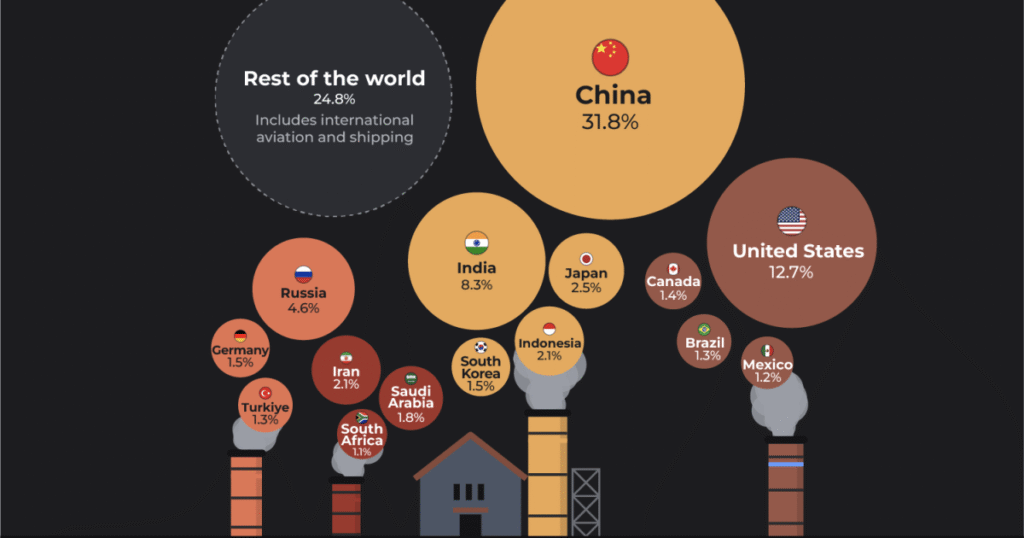
China, the world’s largest emitter, recently pledged to peak carbon emissions before 2030 and achieve carbon neutrality by 2060, a commitment that, if followed through, could dramatically change the global emissions trajectory. India, too, has increased its renewable capacity and aims to reach net-zero emissions by 2070.
However, despite these hopeful developments, the overall global response has been mixed and insufficient to meet the 1.5°C target. Many countries have missed earlier self-imposed deadlines, and the aggregate effect of current policies still forecasts a temperature rise closer to 2.7°C by century’s end.
Among the challenges are slow-paced transitions in fossil fuel-dependent economies and inconsistent climate finance flows to developing nations, which hinder their ability to invest in sustainable infrastructure. Furthermore, political shifts and economic crises often disrupt environmental policy continuity.
The decade since the Paris Agreement has also revealed the critical importance of transparency and accountability mechanisms. The enhanced transparency framework established by the agreement aims to track progress, but variations in data quality and reporting standards remain a hurdle.
Civil society, businesses, and local governments have emerged as powerful actors in this arena, pushing for more ambitious climate actions and often stepping in where national governments lag.
To ensure the Paris Agreement achieves its goals, the global community must strengthen climate commitments, implement robust policies, and increase funding for climate adaptation and mitigation. The next decade will be decisive in determining whether the world can limit warming to the safer 1.5°C threshold or face the harsher impacts of unchecked climate change.
As the world marks ten years of the Paris Agreement, the imperative is clear: enhanced global cooperation and urgent action are necessary to fulfill the promises made and secure a sustainable future for generations to come.