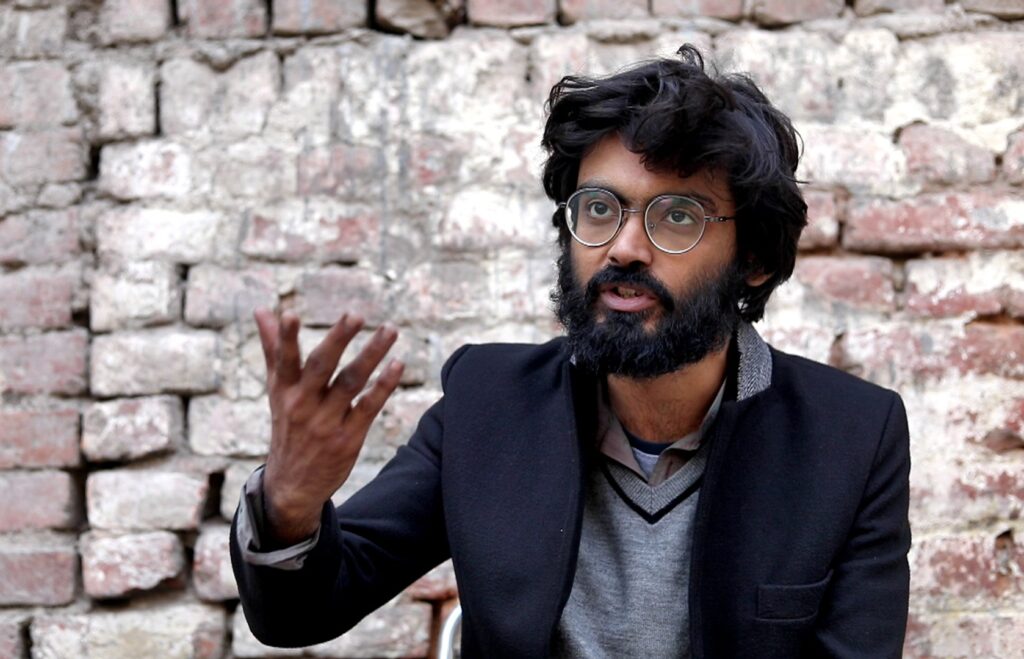
The arrest and subsequent interview of Sharjeel Imam, a scholar and activist, has reignited a fierce debate on the status of Muslims within India’s democratic framework. Sharjeel Imam, currently jailed, voiced critical views regarding the foundational concepts of Indian nationalism during an interview with The Quint, a prominent Indian news platform.
Imam challenged the prevailing narrative of nationalism in India, questioning whether the democratic ideals professed by the country are genuinely inclusive of its Muslim population. His views have sparked a widespread conversation about the treatment and rights of Muslims in India, highlighting concerns about systemic discrimination and marginalization.
The debate touches on the core of India’s democratic identity, which is constitutionally secular and aimed at ensuring equal rights for all citizens regardless of religion. However, critics argue that recent political developments and government policies have contributed to the alienation and disenfranchisement of Muslims, calling into question the effectiveness and fairness of Indian democracy.
Supporters and detractors of Sharjeel Imam’s views have engaged in vigorous discussions across social media, academic circles, and political arenas. Proponents argue that Imam’s arrest and the content of his remarks bring critical attention to the lived realities of many Muslims in India who face socio-political exclusion. They assert that genuine democracy must be introspective and open to such critiques.
On the other hand, opponents claim that Imam’s statements undermine national unity and that his arrest was necessary to maintain law and order. They argue that his critique is misplaced and that India’s democratic system remains robust and inclusive with legal protections for all minorities.
The controversy has also prompted human rights organizations and international observers to highlight concerns about freedom of expression and the right to dissent in India. The situation brings to light the delicate balance between safeguarding national security and protecting civil liberties.
Historically, India has prided itself on being the world’s largest democracy with a pluralistic society. Yet, the current debate fueled by Sharjeel Imam’s statements reveals underlying tensions in how democracy functions for minority groups, especially Muslims who constitute a significant portion of the population.
This episode serves as a critical moment for policymakers, civil society, and citizens to reflect on the health of Indian democracy and the need for inclusive governance that genuinely accommodates the diverse voices within the nation. The discussion initiated by Imam’s case is prompting a reexamination of nationalism, citizenship, and the practical implementation of democratic values in India today.
As India navigates these contentious issues, the broader question remains: can India’s democracy evolve to fully uphold the rights and dignity of all its citizens, including Muslims, or will it continue to grapple with the challenges of exclusion and division? Sharjeel Imam’s case is a potent symbol of this ongoing national conversation.