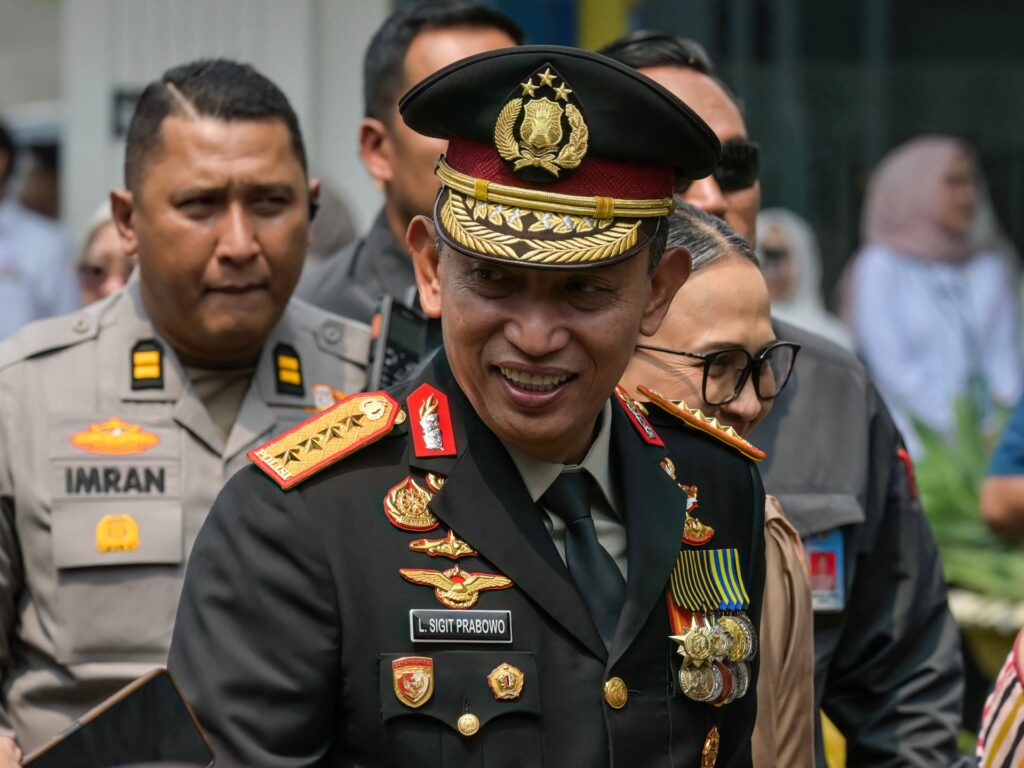
In a significant development in Indonesian politics, the President’s chief of staff, Listyo, has been dismissed from his position following serious allegations of wiretapping top government officials. This move by the government comes after Listyo was arrested, raising concerns about the integrity and security within the highest levels of administration.
According to official statements, Listyo is suspected of committing acts that could be classified under ‘treason’ due to his alleged involvement in unauthorized surveillance activities. The accusations suggest that he allegedly accessed and monitored phone communications of key government officials without authorization, which has triggered a swift and severe response from the highest authorities.
The government’s decisive action underscores the gravity of the situation, emphasizing a zero-tolerance policy for breaches of trust and security within the state apparatus. This incident has ignited widespread public and political discourse regarding privacy, security, and the internal checks within the Indonesian government.
Experts have noted that wiretapping in such a high-profile context could have far-reaching implications, affecting diplomatic relations, national security, and the public’s confidence in government transparency. The alleged misconduct by someone in a critical position like the chief of staff raises urgent questions about the mechanisms in place to monitor and prevent such breaches.
Following his dismissal, Listyo faces not only legal scrutiny but also the challenge of addressing the allegations that threaten to overshadow his career and the administration’s reputation. The government has pledged to conduct a thorough investigation to uncover the full extent of the wiretapping activities and to ensure accountability.
This scandal arrives at a time when Indonesia is navigating complex political landscapes domestically and internationally, making the need for stable and secure leadership more crucial than ever. The president’s office is reportedly working on measures to reinforce security protocols and prevent similar incidents in the future.
Public reaction has been one of shock and concern, with many citizens demanding transparency and justice. The political opposition has seized the opportunity to call for greater oversight and reforms in how sensitive information is handled.
As this story develops, it remains to be seen how the government will restore trust and what the legal outcomes for Listyo will be. The incident serves as a potent reminder of the vulnerabilities present even at the highest echelons of power, and the ongoing challenges democracies face in safeguarding privacy and rule of law.
The Indonesian government has reassured the public and the international community that it remains committed to upholding democratic principles and ensuring the security of all officials and their communications. Updates are expected as the investigation progresses, highlighting the critical balance between security needs and individual rights in a digital age.