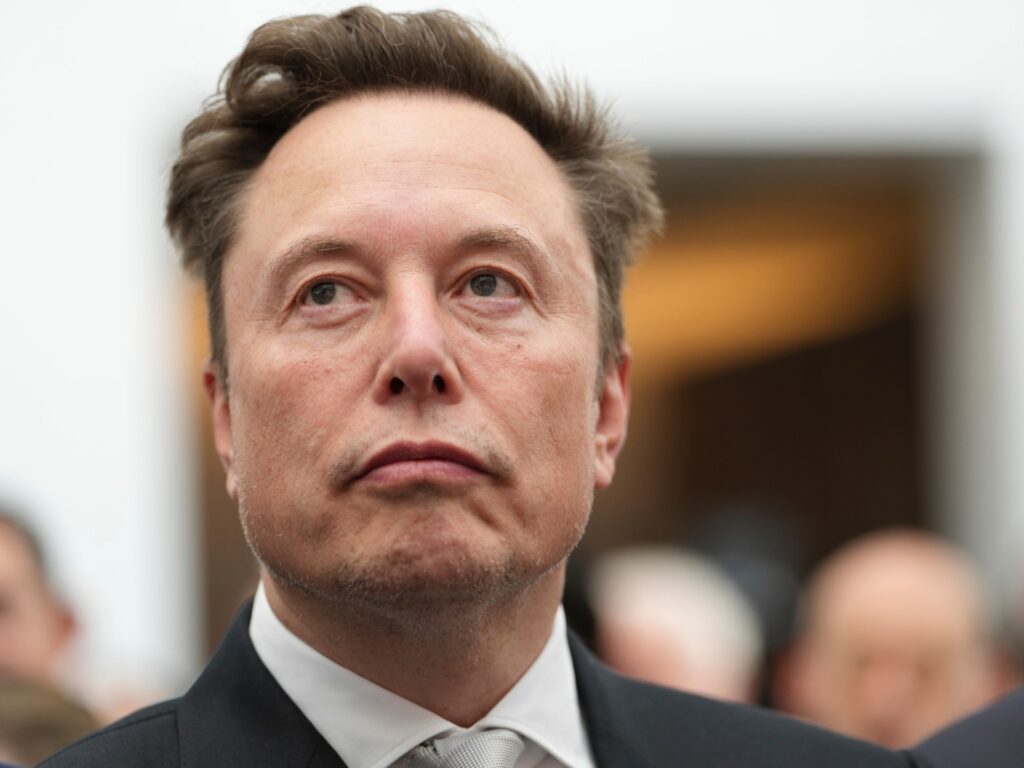
Elon Musk, the CEO of Tesla and SpaceX and the world’s richest individual, recently made light of the setbacks his preferred candidates faced in the latest US midterm elections. Musk, known for his ambitious ventures and influential presence in technology and business, was also the largest individual donor supporting Republican candidates during this election cycle.
Musk’s financial contributions reached record levels, underscoring his commitment to shaping the political landscape according to his views. Despite this unprecedented spending, many of the candidates he supported did not secure victory, leading to mixed reactions from political analysts and supporters alike.
In a display of characteristic humor and resilience, Musk downplayed the significance of these losses, emphasizing the unpredictable nature of elections and the importance of perseverance. His comments suggest that he views these defeats as temporary setbacks rather than definitive outcomes.
Throughout his career, Musk has been a polarizing figure, both admired and criticized for his bold statements and disruptive innovations. His involvement in politics represents a new frontier where technology leaders engage more directly with governmental processes and electoral politics.
Musk’s record-breaking donations highlight the growing trend of wealthy individuals leveraging their resources to influence political agendas and elections. This phenomenon raises important questions about the role of money in democracy and the balance of power between ordinary voters and affluent donors.
Analysts suggest that Musk’s engagement reflects broader societal shifts, where the intersection of technology, wealth, and politics becomes increasingly significant. His influence extends beyond his companies, impacting policy discussions on innovation, climate change, space exploration, and economic regulation.
Despite the electoral setbacks, Musk’s willingness to invest heavily in political campaigns may encourage others in the tech industry to follow suit, potentially reshaping the political landscape in future elections. His approach combines business acumen with political strategy, aiming to foster an environment conducive to technological advancement and entrepreneurship.
In the aftermath of the midterms, conversations about electoral funding and campaign strategies are likely to intensify. Musk’s decisions provide a case study in the complexities and consequences of high-stakes political involvement by prominent private figures.
As the US prepares for future electoral contests, observers will watch closely how Musk and similar donors adjust their tactics and priorities. The outcomes of these financial investments could have lasting effects on both political alignments and policy directions in the coming years.
In summary, while Elon Musk’s preferred Republican candidates faced defeats in the recent US midterms, his historic spending and spirited response highlight the evolving dynamics of money, power, and politics in contemporary America. His experiences underscore the challenges of translating financial influence into electoral success and the ongoing debate over the role of wealthy individuals in shaping democratic governance.