The city of Taiz in Yemen is enduring a severe humanitarian crisis as the Houthis have imposed a monthlong siege, resulting in widespread suffering for the trapped population. This ongoing blockade has led to critical shortages of essential goods including food, water, fuel, and medical supplies, severely affecting the daily lives of residents.
Taiz, a strategically important city, has been a focal point of conflict in Yemen’s long-running civil war. The siege by Houthi forces has escalated tensions in the region, cutting off vital supply routes and isolating the city from humanitarian aid.
The blockade’s impact has been described by aid organizations and officials as catastrophic. Without access to food and clean water, malnutrition and dehydration rates are rising, putting vulnerable groups such as children, the elderly, and the sick at extreme risk.
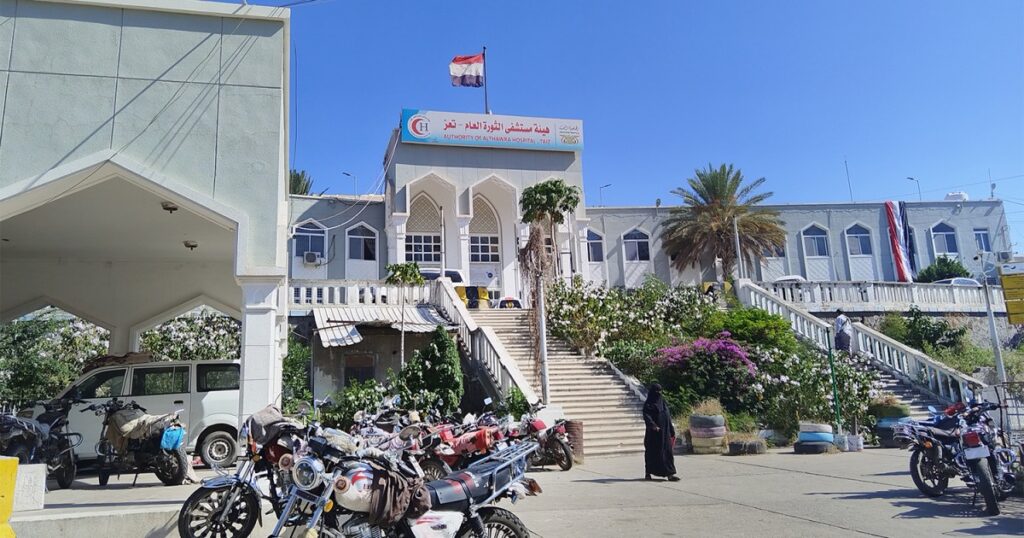
Hospitals in Taiz are overwhelmed and under-resourced due to the lack of medical supplies and fuel for generators. This has compromised their ability to provide care for the injured and manage disease outbreaks.
Residents report harsh conditions with mounting desperation as the siege continues. The inability to access fuel not only affects transportation but also hampers the operation of essential services, including water distribution systems and emergency response teams.
Humanitarian agencies have called for an immediate lifting of the blockade to prevent a deepening disaster. There is a strong international demand for dialogue and negotiations to restore supply lines and ensure aid delivery.
The siege on Taiz is a stark reminder of the severe consequences of Yemen’s conflict on civilians. It highlights the urgent need for political solutions and increased humanitarian support to alleviate the suffering of millions trapped in similar conditions across the country.
As the situation develops, the global community watches closely, hoping for swift action to bring relief to Taiz and other affected areas in Yemen. The ongoing crisis underscores the critical importance of ceasefires, humanitarian corridors, and respect for civilian safety in conflict zones.