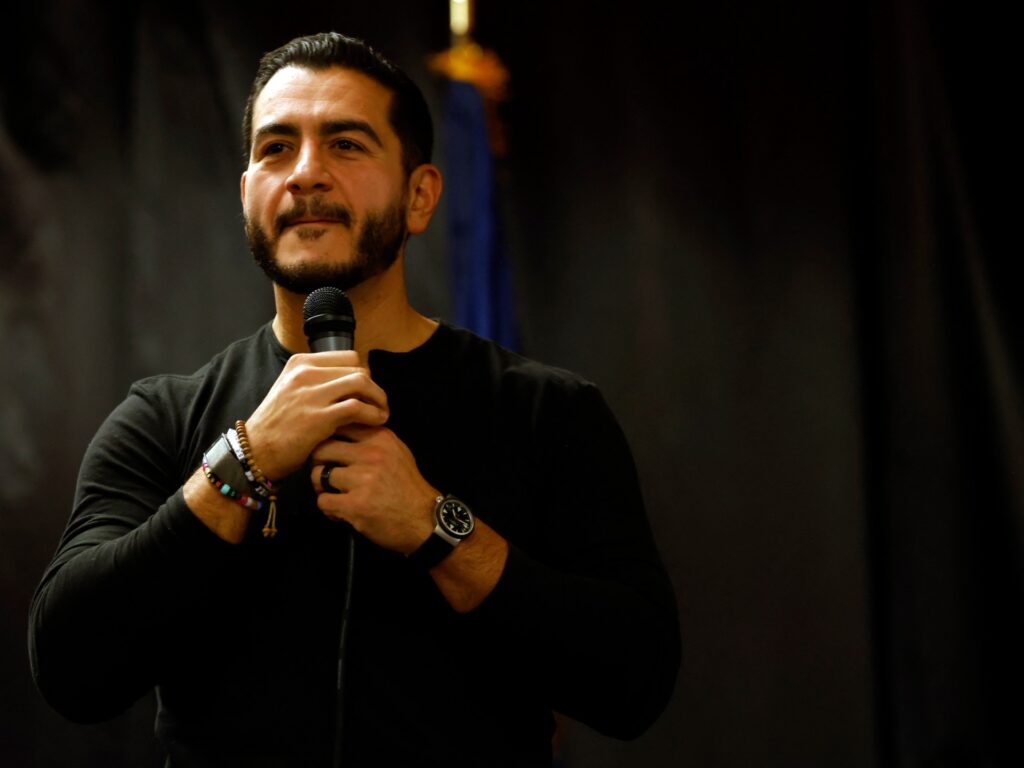
The political landscape is heating up as El-Sayed and Rogers hold intense, dueling rallies just days before the campaign period concludes. These rallies underscore the bitter and highly competitive nature of the race, reflecting deep divisions among voters and candidates alike.
El-Sayed, seeking to energize his base, has focused his rally messaging on progressive policies and promises of change that resonate with younger and more liberal constituents. His campaign has been marked by strong grassroots support and a narrative centered on social justice and economic reforms.
Conversely, Rogers has rallied conservative voters with a platform emphasizing traditional values, economic stability, and law and order. His campaign events have drawn large crowds that express strong support for his stance on key issues like fiscal responsibility and public safety.
The rival rallies have heightened tensions, with each candidate striving to outshine the other in terms of attendance and enthusiasm. The atmosphere at these events is charged, illustrating the high stakes involved as each candidate vies for the crucial votes that could tip the election in their favor.
Adding to the political drama, Haley Stevens, a notable figure in the region’s political scene, recently explained her reasons for withdrawing support from the US Senate Democratic nominee. In a detailed statement, Stevens cited concerns over policy disagreements and strategic differences, expressing hope that her decision will encourage a more unified and effective opposition.
Stevens’ withdrawal has stirred further debate among Democrats, with some viewing it as a call for reevaluation and others seeing it as a potential setback. Her comments have sparked conversations around party unity and the broader strategy for upcoming elections.
As the campaign days wind down, all eyes are on the final rallies and the potential impacts of high-profile endorsements and withdrawals. Observers agree that voter turnout and last-minute campaigning efforts will be critical in determining the outcome.
The culmination of this contentious campaign cycle promises to bring significant political shifts depending on voter decisions in the final hours. Both El-Sayed and Rogers are leaving nothing to chance, maximizing their outreach and seeking every opportunity to secure votes.
With the backdrop of these dueling rallies and political recalibrations, the electorate faces a pivotal choice that will shape the region’s future governance and policy direction.
In summary, the dynamic and divisive nature of this closing campaign phase highlights the intense competition and strategic maneuvers by key political players. The outcome remains uncertain, riding on the momentum generated by these final public displays of support and political alliances.