The political and humanitarian landscape in Palestine continues to be marked by significant challenges, as an inconclusive election in Israel intersects with intensified closures in the West Bank and ongoing violence in Gaza.
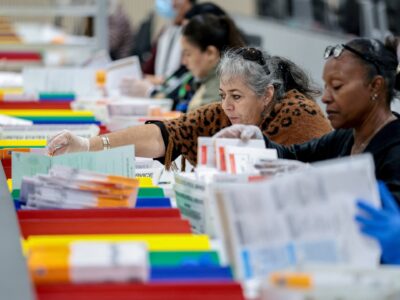
The recent election in Israel has failed to yield a decisive outcome, leading to a political deadlock that complicates the region’s already precarious situation. This uncertainty at the Israeli government level has direct ramifications for Palestinian territories.
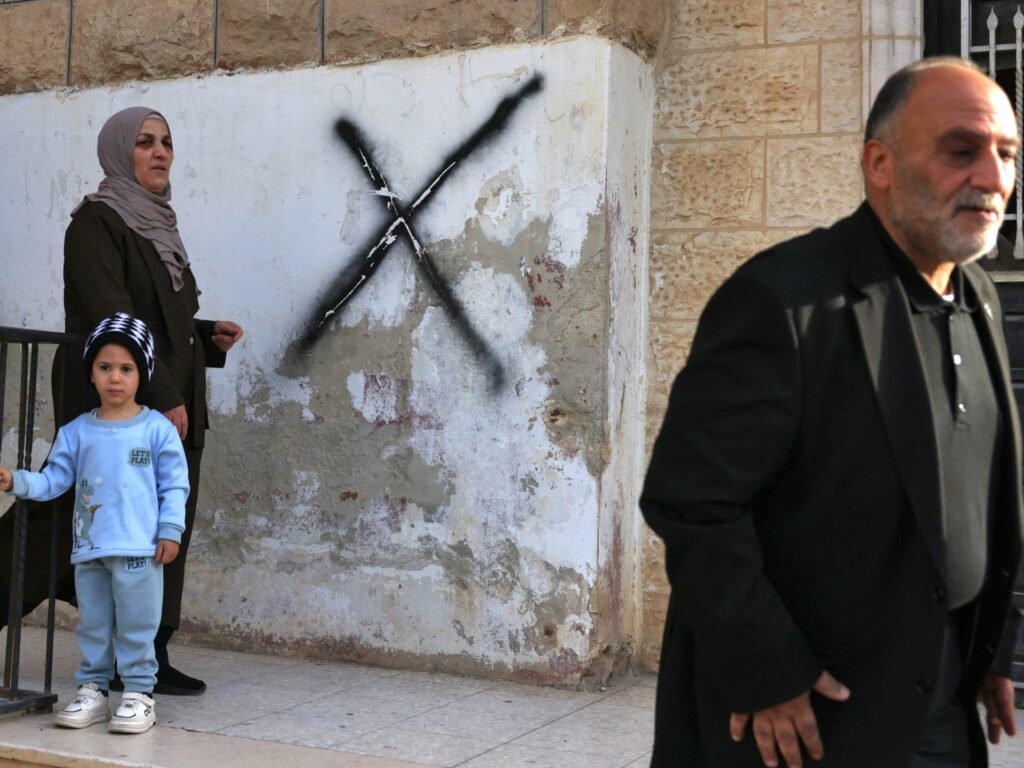
In the West Bank, the Israeli authorities have escalated closures, imposing restrictions that severely limit the movement of Palestinians. These closures affect daily life, hindering access to essential services, employment, and education.
The intensified sieges have been criticized by international observers and human rights groups who argue that the measures exacerbate humanitarian conditions and fuel tensions.
Meanwhile, in the Gaza Strip, the situation remains dire with frequent killings reported amid ongoing conflict. The violence has resulted in numerous casualties, deepening the humanitarian crisis in the area.
Humanitarian organizations emphasize the urgent need for de-escalation and access to medical and humanitarian aid in Gaza.
The combination of political stalemate in Israel and harsh security measures in Palestinian territories underscores the complexity of achieving peace and stability in the region.
Analysts warn that without constructive dialogue and a concerted effort to address underlying issues, the cycle of violence and hardship is likely to continue.
The international community is watching closely, with calls for renewed peace efforts and support for Palestinian rights growing louder.
As Palestinians navigate these difficult circumstances, the hope remains for a resolution that restores dignity, security, and prosperity to all affected communities.