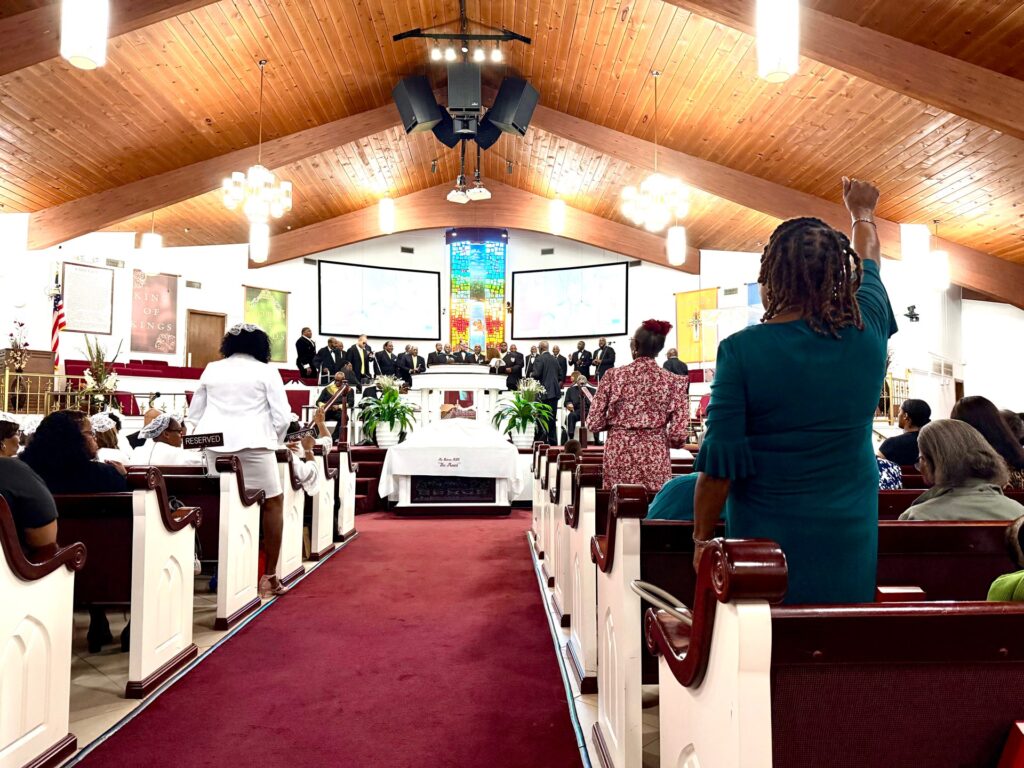
The upcoming US midterm elections present a critical test for Republican-led redistricting efforts, particularly in states like Texas where the stakes are high for both major parties. Partisan redistricting, often referred to as gerrymandering, has significantly altered the electoral landscape, especially affecting Black voters in Houston and other key urban areas.
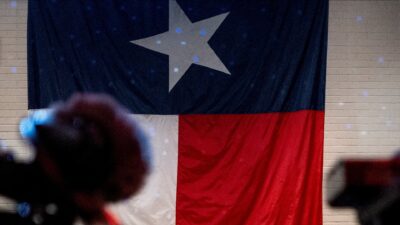
In Texas, Republicans have been at the forefront of redrawing district maps in ways that many argue dilute the voting strength of minority communities. The state’s redistricting plans have been met with intense scrutiny and legal challenges, as Democrats and voting rights groups contend that these maps disadvantage voters of color and undermine fair representation.
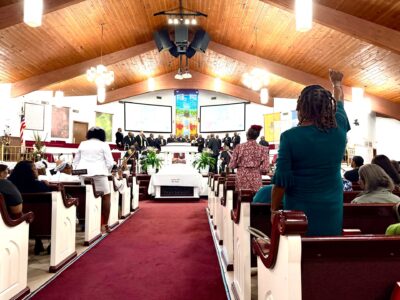
Houston, one of the most diverse cities in the country, illustrates how redistricting has shifted political dynamics. Historically, Black voters in Houston have been a reliable Democratic bloc. However, new district boundaries have fragmented these communities, complicating their ability to influence local and state elections effectively. This fragmentation forces Democrats to seek alternative strategies to maintain and grow their voter base.
The effect of these changes extends beyond Texas. Across the United States, redistricting battles follow a similar pattern, with Republicans often controlling the map-drawing process and Democrats pushing back against what they see as partisan manipulation.
Election analysts emphasize that the midterms will be a pivotal moment to observe how these newly drawn districts perform in real electoral contests. The outcome will signal whether Republican redistricting strategies can sustain their advantage or if Democrats will find new pathways to victory despite these challenges.
Moreover, the redistricting fight has intensified debates over voting rights legislation at both the state and federal levels. Advocacy groups argue that protecting fair district boundaries is essential to ensuring all citizens have an equal voice in democracy.
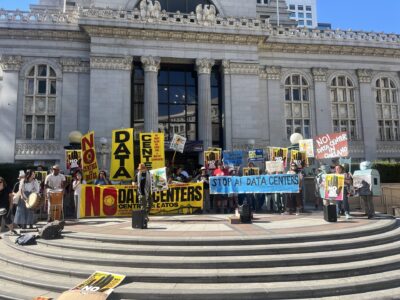
Democrats are focusing on community engagement, mobilization efforts, and legal strategies to counteract the effects of partisan maps. Meanwhile, Republicans argue that their redistricting reflects legitimate population changes and efforts to create competitive districts.
The midterms thus serve as a microcosm of broader national struggles over electoral fairness, representation, and democracy itself. The maps drawn today will influence political power for years to come, making this election cycle particularly consequential.
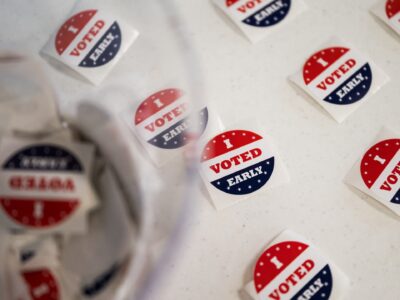
Voter turnout, candidate selection, and campaign strategies will all interact within the framework established by redistricting. The ability of Black voters in Houston and other minority groups to overcome the challenges posed by new district lines will be closely watched by political observers and civil rights advocates alike.
As litigation proceeds and public campaigns ramp up, the US midterms highlight the complex interplay between law, politics, and community activism in shaping the future of American democracy. The results in Texas and beyond could set precedents for how partisan redistricting is contested and resolved in the country.
In summary, the midterms are not just about electing officials but also about testing the resilience of democratic principles in the face of partisan redistricting. The changing electoral maps underscore the ongoing struggle to ensure fair representation for all voters, especially those in historically marginalized communities.
This election cycle could redefine political engagement strategies and the balance of power in many regions, making the outcomes highly significant for the future of governance and civil rights protections in the United States.