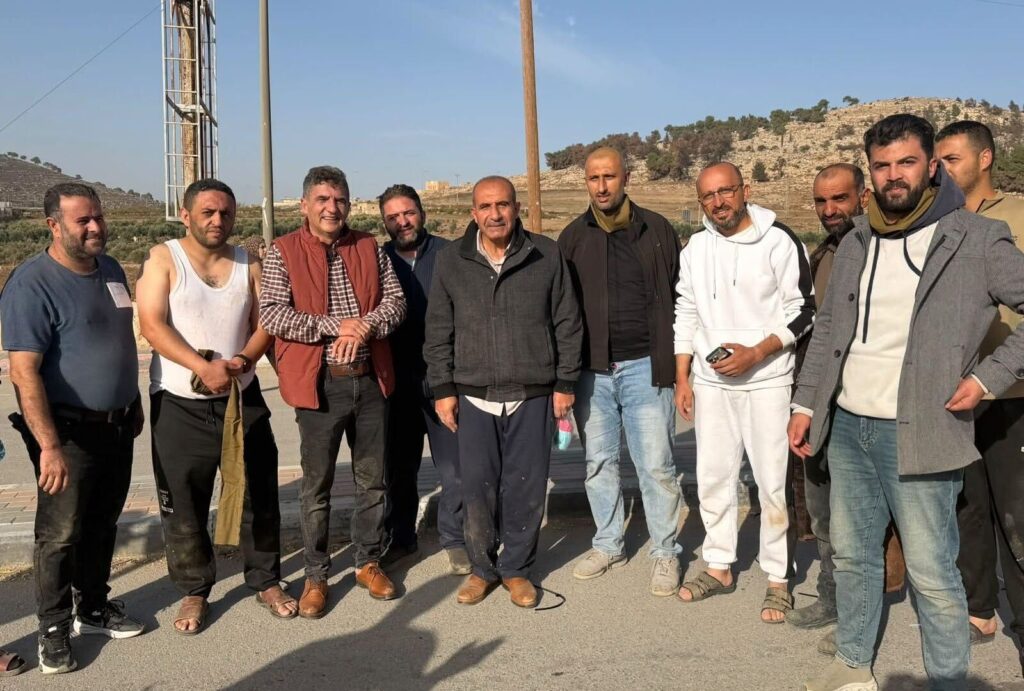
Israeli forces have released Montaser Nassar, an Al Jazeera journalist, following his recent arrest in the occupied West Bank. The incident attracted significant attention after a video circulated online showing Israeli soldiers leading Nassar, blindfolded and handcuffed, into a vehicle during his detention. The arrest and subsequent release highlight the ongoing tensions and challenges faced by journalists operating in the region.
Montaser Nassar is a well-known correspondent for Al Jazeera, and his coverage often focuses on the complex political and social issues in the West Bank. The Israeli military’s actions toward journalists have been a point of controversy, with several organizations calling for greater respect for press freedom and protections for reporters working in conflict zones.
The video of Nassar’s arrest captured widespread international concern about the treatment of media personnel and the restrictions placed on their movements in the occupied territories. His temporary detention raised questions about the nature of the charges against him and the overall climate for media operations in the area.
Following his release, Al Jazeera condemned the arrest, emphasizing the importance of allowing journalists to carry out their work without intimidation or interference. The network called on Israeli authorities to ensure the safety and freedom of media representatives covering contentious issues in the region.
This incident comes amid ongoing reports of press freedom challenges in the occupied West Bank, where various media outlets report difficulties in accessing certain locations and face operational risks. The release of Montaser Nassar is seen as a positive development but also serves as a reminder of the precarious position journalists face.
International human rights groups have also voiced concern over arrests like Nassar’s, urging accountability and transparent investigations into the circumstances surrounding such detentions. They stress that journalists play a crucial role in providing unbiased information and must be protected under international law.
The Israeli forces have not publicly disclosed detailed reasons for Nassar’s arrest or the terms of his release. Nonetheless, the incident contributes to ongoing debates about the balance between security measures and human rights in conflict areas.
With multiple stakeholders involved, including media organizations, human rights advocates, and governmental authorities, the case highlights the broader issues affecting press freedom in the occupied West Bank. Continued attention and dialogue are essential to address these challenges and to safeguard the role of journalists in promoting informed and transparent discourse.